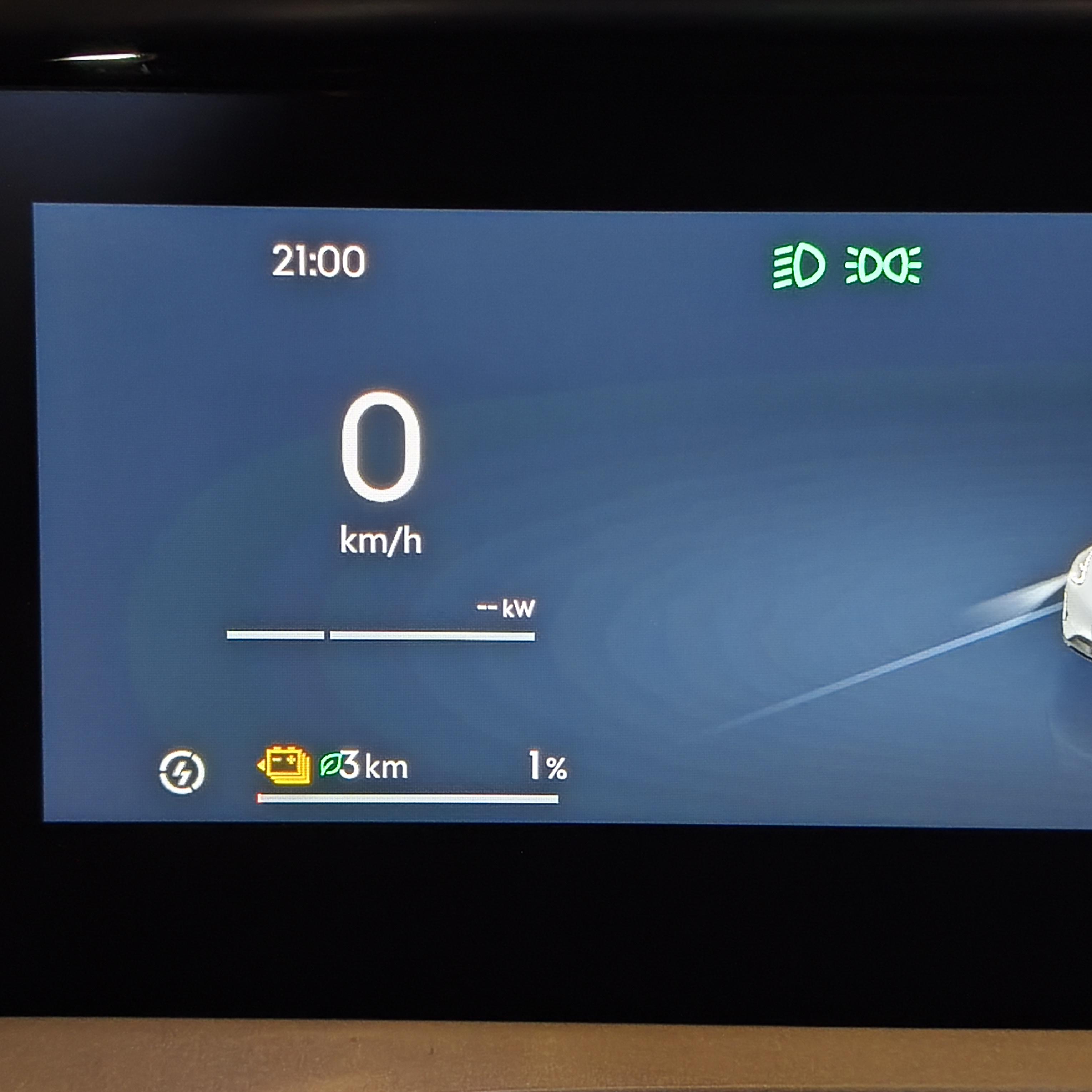
We are looking to get an EV and already have a Sigenergy bidirectional DC charger installed at home. I recently test drove a couple of EVs and although those EVs don't officially support V2H (only V2L), my DC charger seemed to work seamlessly with them by discharging the battery at the required rate for the house consumption. My intention is to use the car battery to power the house from late evening to early morning to cut our power consumption from the grid down. When tested, it uses like 10-12% of the car battery during those 10 hours at night and then the DC charger tops it up during day time in a couple or so hours.
In the grand scheme of thing, using 10% of the car battery every night doesn't sound much but I am not sure if such usage is likely to void any battery warranty. When I spoke to the car dealer they said that they do not have any way to track battery cycle times so battery warranty should be okay.
The whole Sigenergy setup with the charger is great for minimal grid usage across they year without having to purchase actual batteries, and they also publish which cars/models they test their systems with: https://www.sigenergy.com/en/products/dc-charger
My plan has been to invest in an EV instead of batteries because I can also drive them around, they also save on travel cost compared to my petrol car, are mostly cleaner for env, and have bigger batteries than the ones sold for house power backup systems. My only concern is the battery warranty due to this setup.
E.g. I tested the Mazda EV and it was perfect for fast charging + powering the house. It comes with an 8 year/160K km warranty. It only supports V2L via AC adapter/cable which I do not have, so this feature was greyed out in the display panel. But as soon as I plugged in my DC charger, my Sigenergy system said the car was ready for charging and discharging. The car did not even register that it was being used for V2H by my DC charger. Via the dealer, I spoke to the Mazda engineer and they said they car does work with it, but not officially and they weren't sure how it comes into play with the battery as there is no way to track such consumption.
So my question is, is this a huge risk?