r/pleistocene • u/ExoticShock • 1h ago
Extinct and Extant A Pair Of Elephant Birds & A Ring-Tailed Lemur by Esther Van Hulsen

10
Upvotes
r/pleistocene • u/ReturntoPleistocene • Nov 26 '25
Any discussions related to the newest season of Prehistoric Planet should be restricted to this thread till January 1st, so that those who haven't watched the show yet don't get spoiled. Any spoilers outside this thread will be deleted.
r/pleistocene • u/Pardusco • Oct 01 '21
The entirety of my state would be covered in glaciers. The coastline would be larger, but it would still be under ice for the most part. Most of our fish descend from those that traveled north after the glaciers receded, and we have a noticeable lack of native plant diversity when compared to states that were not frozen. New England's fauna and flora assemblage basically consists of immigrants after the ice age ended, and there are very low rates of endemism here.
r/pleistocene • u/ExoticShock • 1h ago
r/pleistocene • u/Know__Thyself • 10h ago

I built SeaLevelMap (sealevelmap.io), an interactive globe of sea level and ice sheet interactions over the past 500k years.
The original version (2022) covered 135k years with flat ice outlines on a Mapbox basemap. Version 2.0 is rebuilt from scratch: shaded ice sheets, seafloor and land relief, ice age lakes, and rivers; from nearly 7,000 dated sea level records.
Happy to answer questions.
r/pleistocene • u/ExoticShock • 1d ago
r/pleistocene • u/Apart_Ambition5764 • 1d ago
r/pleistocene • u/imprison_grover_furr • 20h ago

r/pleistocene • u/Quaternary24 • 1d ago
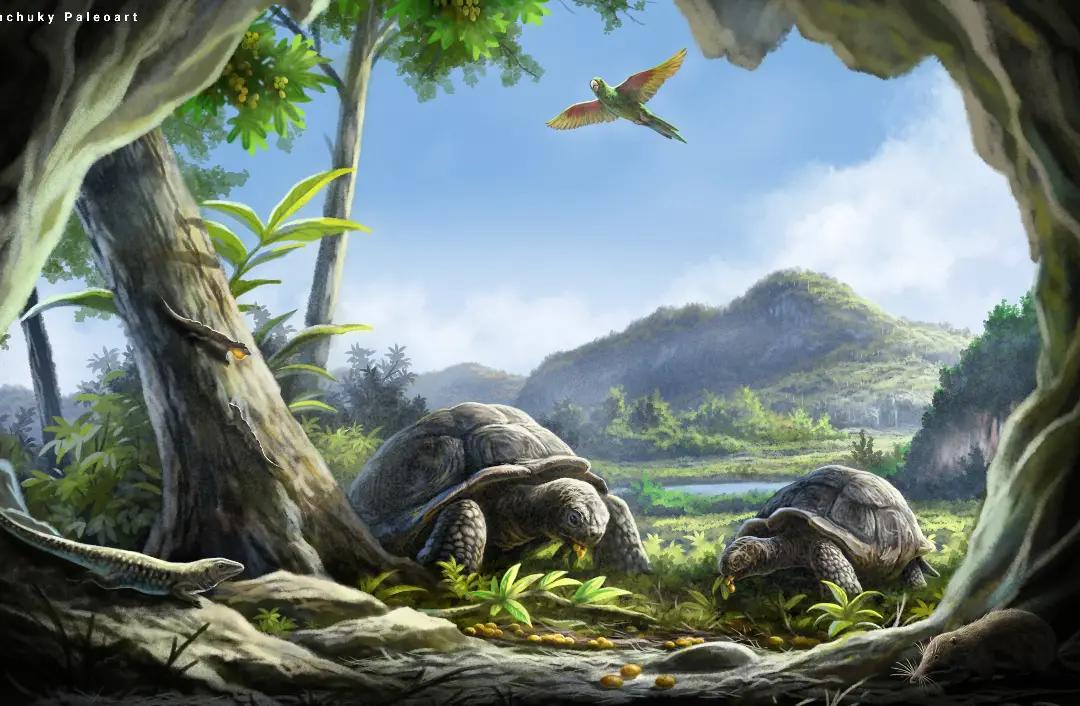
The other two species/genera depicted are a Nesophontes (possibly the Puerto Rican Nesophontes Nesophontes edithae) and the Common Puerto Rican Ameiva (Pholidoscelis exsul).
r/pleistocene • u/ExoticShock • 2d ago
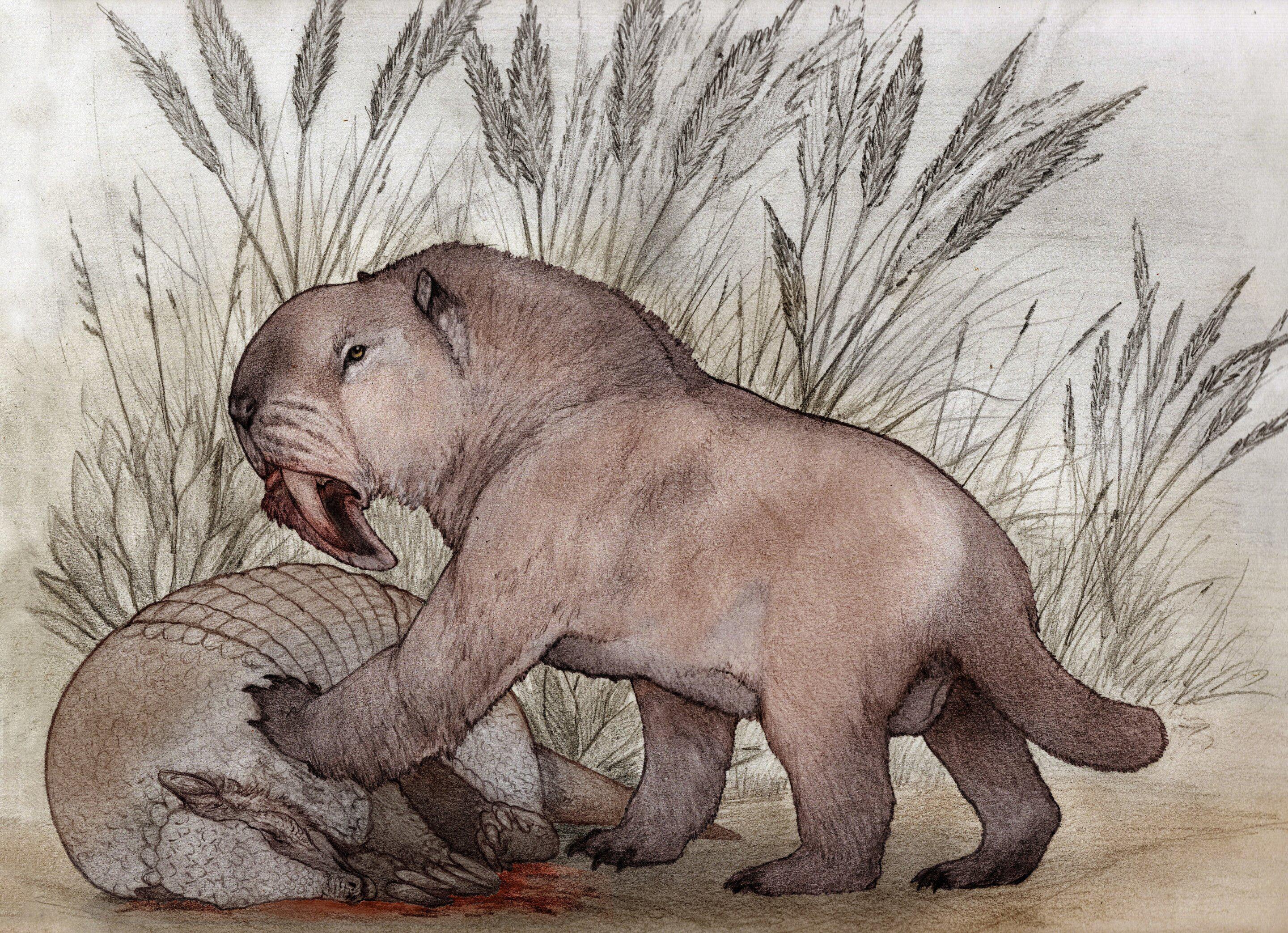
r/pleistocene • u/Bastianuz • 3d ago

I recreated an entire extinct animal, which would be the Giant Wombat (Diprotodon). I did it out of curiosity because I was bored.
Note: On the right are the animals I used as references to recreate it.
r/pleistocene • u/Apart_Ambition5764 • 3d ago
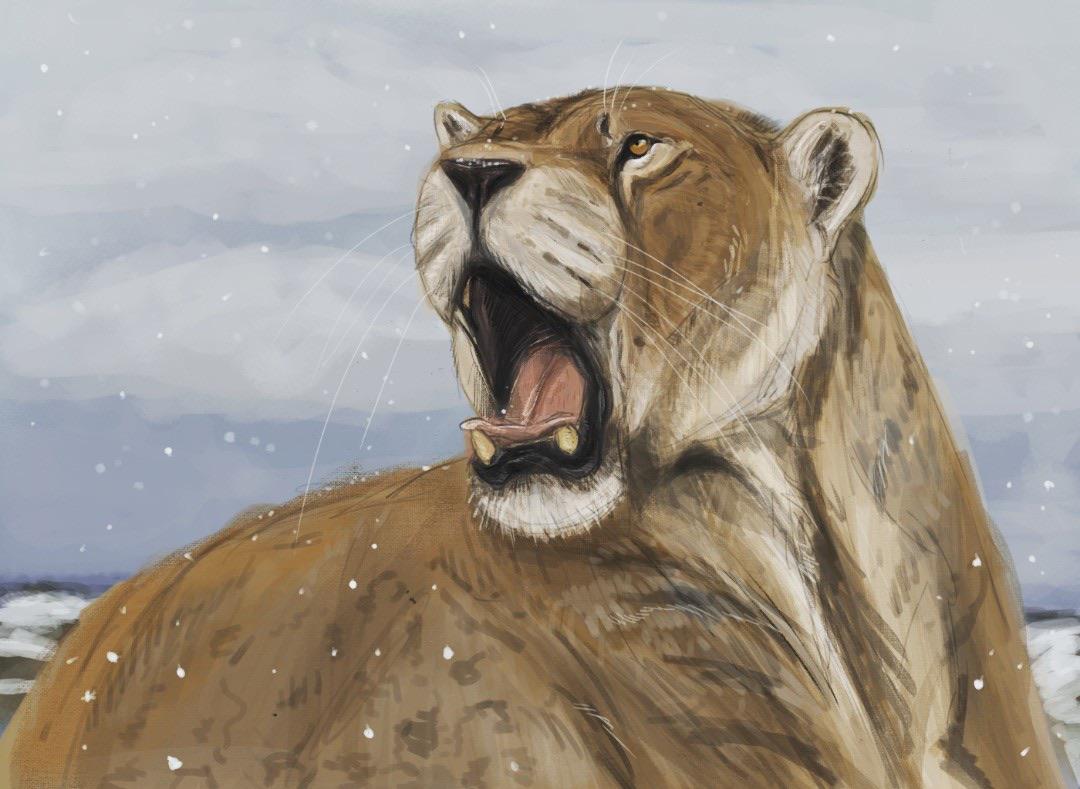
r/pleistocene • u/Quaternary24 • 3d ago
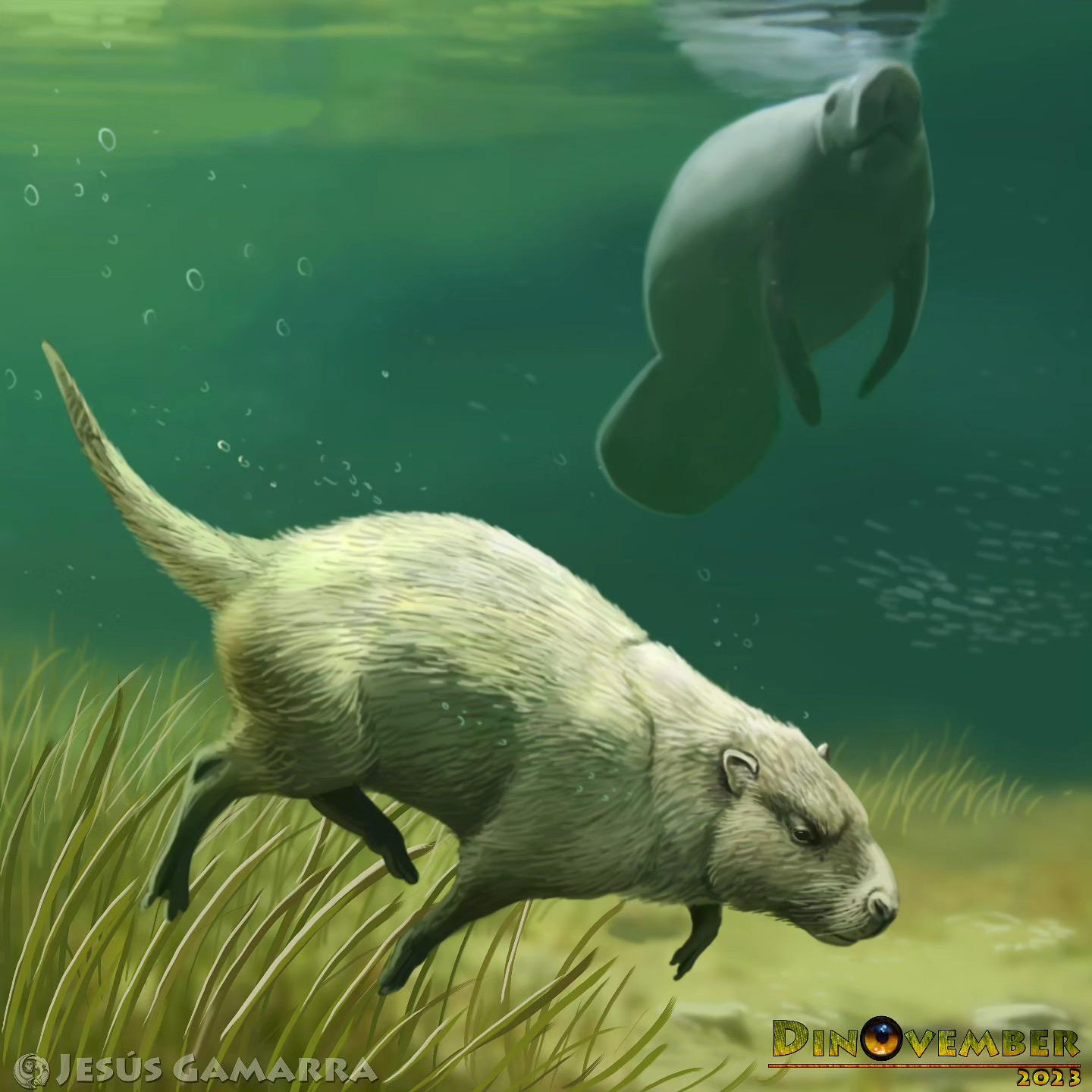
r/pleistocene • u/OneOk8530 • 3d ago

r/pleistocene • u/piebald_bison37 • 3d ago
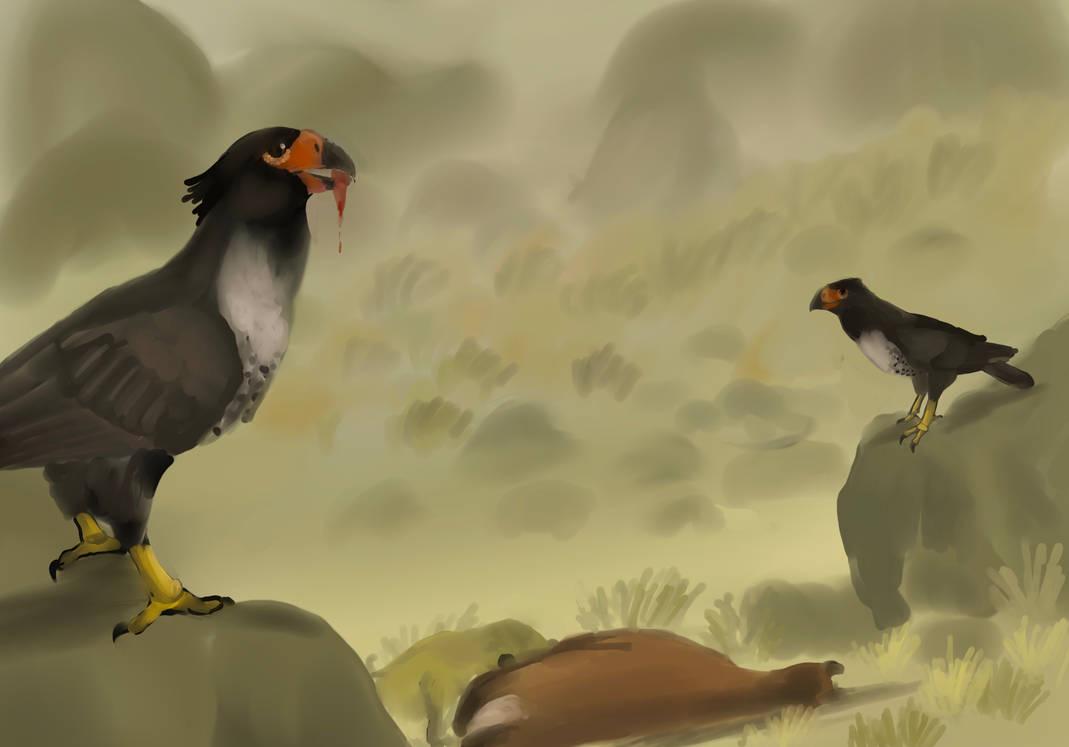
r/pleistocene • u/Hopeful_Lychee_9691 • 4d ago
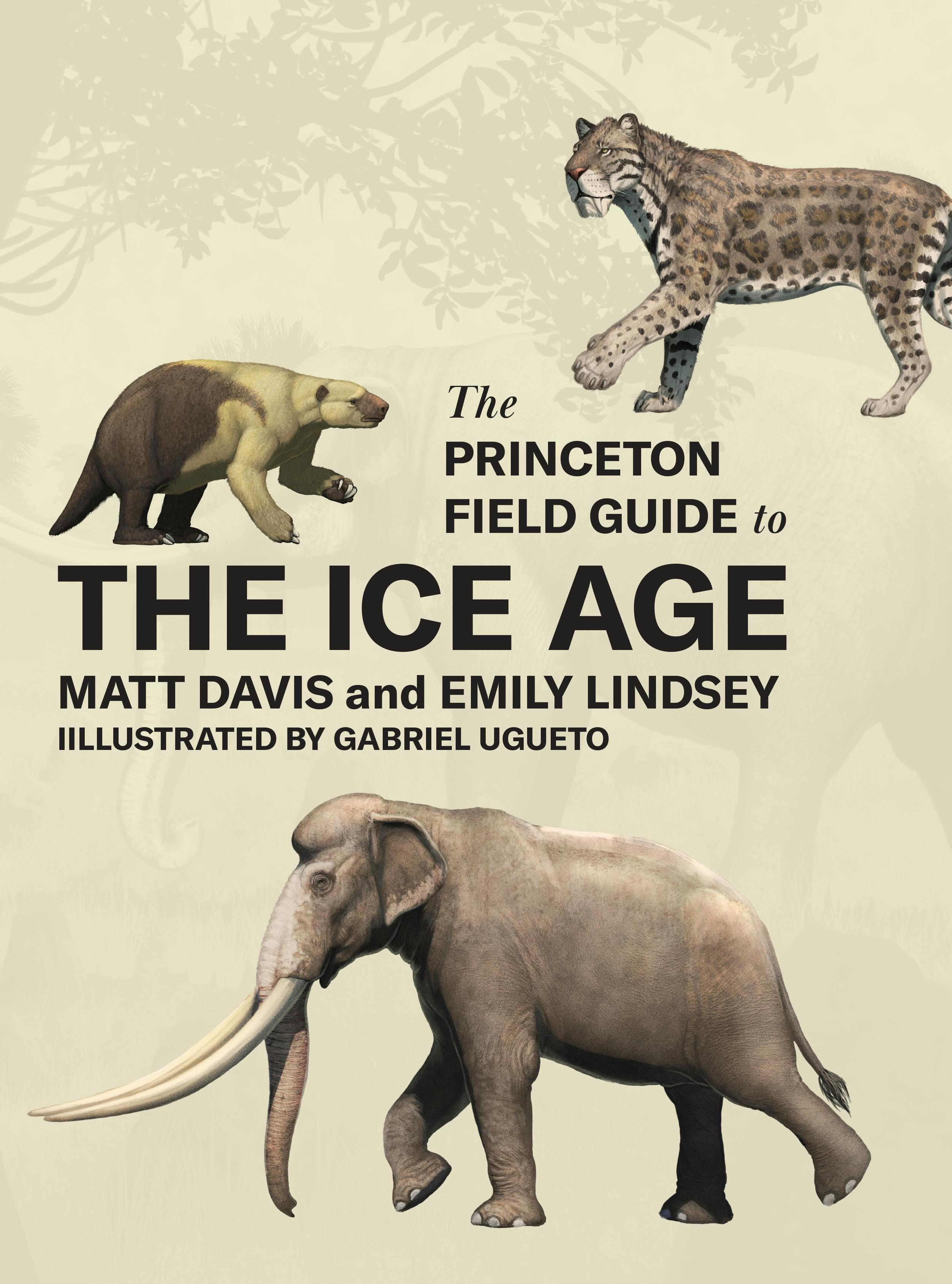
This 272-page book, published by Princeton University Press (scheduled for release on April 13, 2027), presents the fauna and flora of the Pleistocene, featuring over 130 color illustrations by Gabriel Ugueto.
https://press.princeton.edu/books/hardcover/9780691288819/the-princeton-field-guide-to-the-ice-age
r/pleistocene • u/Hopeful_Lychee_9691 • 4d ago

r/pleistocene • u/imprison_grover_furr • 3d ago

r/pleistocene • u/MysticalJungle • 4d ago

r/pleistocene • u/An_Abyssal_Dragon_77 • 4d ago

r/pleistocene • u/Apart_Ambition5764 • 5d ago
r/pleistocene • u/MysticalJungle • 4d ago
Frequently asked on here is why Africa's megafaunal guild fared so much better than that of other areas, and this has traditionally been explained mainly by the long presence of both archaic humans and early Homo sapiens, which theoretically allowed megafauna to develop behavioral traits that aided against human predation. Comparable arguments have been made for southern Eurasia. I've written about my thoughts on this idea-which I think has its limitations-in a similar previous thread. However, I would like to hone in more on two alternative factors that I mentioned which were probably key in this dynamic: disease and animal community structure.
Disease: Africa both historically and at present has been host to high disease load amongst humans. Most if not all of these infectious diseases are zoonotic in origin. The reason why Africa has so many is a function of the tropical climate, large number of vectors (especially primates), and most importantly, the sheer amount of time our lineage lived there. Zoonotic diseases need time to jump from host to host via interactions, and so longer time spent in an area means more diseases are picked up.
These diseases are theorized to have affected the pattern of settlement in Africa and to a lesser extent southern Eurasia, the latter also having similarities in climate and vectors but being settled by Homo sapiens more recently. Death rates mean that the population did not become saturated as it did elsewhere, and as people purposely avoid certain areas that are prone to diseases like malaria or sleeping sickness, microrefugia for megafauna form. This pattern was noted by colonial administrators. Additionally, connectivity between humans is reduced, so that hunting technology finds it harder to spread. This could've made it harder to eliminate megafauna in Africa.
Community structure: Africa has an absolutely mind-boggling number of ruminants, including and especially of medium to medium-large antelopes. Not even in the Late Pleistocene did any other continent compare to modern Africa in terms of the sheer diversity of similar-sized ruminants, let alone Pleistocene Africa which had even more.
These have an advantage in surviving human predation due to their high reproductive rates. Further, their sheer diversity and abundance perhaps meant that local hunter-gatherers had a different calculus when it came to prey choice. For example, huge herbivores like elephants and hippos provide a high energetic return, but they are very dangerous. And when so many impala, wildebeest, and eland abound, you may be less likely to want to risk life and limb for meat.
By comparison, in middle and especially high latitude regions, where there were not nearly as many medium-sized ruminants, hunting megaherbivores would be more attractive. Atlatls (spear throwers) also were not known from prehistoric Africa, so the risk of megaherbivore hunting would've been higher in Africa than in Eurasia and the New World as it would've involved close contact with those animals. In this way, the diverse and abundant antelope guild in Africa may have buffered other classes, like megaherbivores, against extinction as well by providing humans a safer and less exhaustible supply of meat.
Another very important potential factor regarding communal guild: Africa and perhaps parts of Eurasia could have undergone a communal restructuring during the Middle Pleistocene onwards as a result of hominin activity, with vulnerable megafaunal species-the "low hanging fruit"-being plucked out early. Their extinction left behind more resilient, related species, who probably took over their niches and expanded in number, resulting in a more resilient ecosystem overall by the time the Late Pleistocene and Holocene rolled around. This would've especially been the case in Africa since the large variety of ruminants meant that after a given extinction, biomass could return to equilibrium once niches were taken over by survivors.
TL;DR: both high disease load amongst humans and ideal animal community structure buffered against extinction in Africa while other continents were not so fortunate in that regard. These ideas have of course been suggested before but have not been explored in depth in the scientific literature.
r/pleistocene • u/Apart_Ambition5764 • 5d ago