r/radon • • 3d ago

Broken manometer help

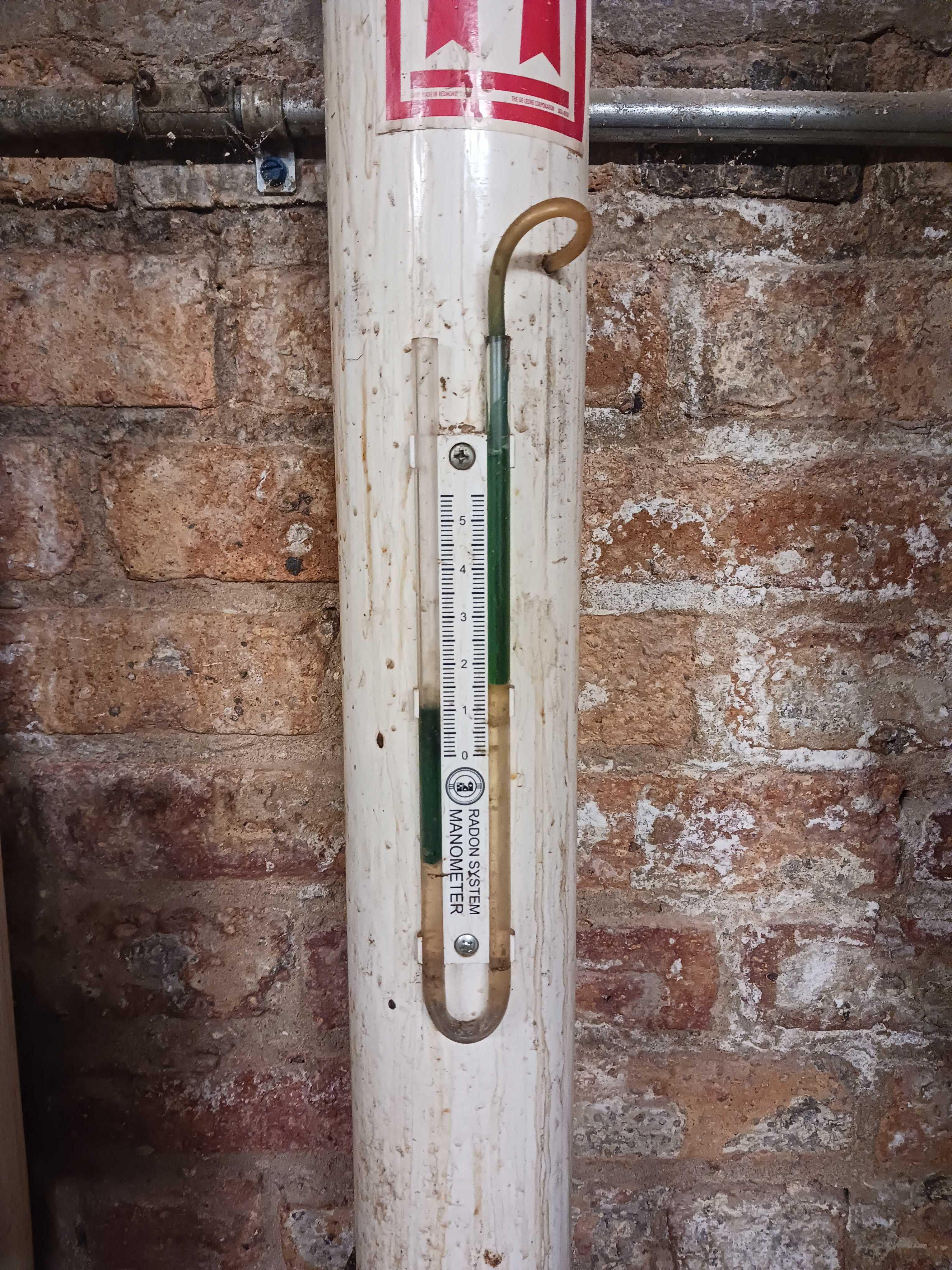
The manometer at my work broke recently. How reasonable is it to replace it myself and where can I find a replacement manometer (see 2nd slide for working one)? Or should I called the pros? Thanks for any advice!

1 Upvotes

20 comments sorted by

1

u/Commercial-Candy-926 3d ago

What's going on down there, how did everything get so nasty? 

1

u/xhuilanwang 3d ago

Staff leaving mops in front of there, which is probably how it broke in the first place,

3

u/20PoundHammer 3d ago

easy - just unscrew and screw a new one on and shove the tube in the hole. amazon source. I would not just try to put the glass bit in the holder that is there now - sometime the dimensions are different between manufacturers and you end up snapping the tube.

1

u/xhuilanwang 3d ago

Thanks! I will try this!

3

u/spoom2 3d ago

Just Google radon system manometer easy to find

2

u/JohnDaly 3d ago

I’ve installed over 1000 systems and I’ve swapped fans on god knows how many I didn’t install. Always see u-tubes empty or low liquid because it’s not below.

The science:

Here is the ELI5 version of why putting the hole lower (below the top of the gauge) keeps the liquid where it belongs: 

- Think of the pipe like a gentle vacuum cleaner: The fan inside a radon system sucks air out of the pipe, creating low pressure (suction) inside it.

- Gravity always pulls stuff down: The colored liquid in the U-tube is heavy, so gravity wants to pull it down, while the suction in the pipe tugs on the air inside the tube.

- Why a high hole causes trouble: If you drill the hole higher up than the top of the gauge, the tube has to reach up high and can catch warm, damp air or condensation from the pipe. As air moves, cools, and gets tugged by suction, moisture/liquid can get pulled or pushed out of the U-tube instead of staying put to show a steady reading.

- Why a lower hole works better: Keeping the connection lower - and avoiding high spots where liquid can get drawn up and pulled away - lets gravity and pressure balance cleanly so the colored liquid stays right inside the U-tube where you can read it.

1

u/JohnDaly 3d ago

Your manometer tube hole is too high.

It should be a loop, that goes in just below the top of the glass tube otherwise the system can sucks the liquid in over time

0

u/20PoundHammer 3d ago

doesnt make a lick of difference.

1

u/JohnDaly 3d ago

I’ve installed over 1000 systems and I’ve swapped fans on god knows how many I didn’t install. Always see u-tubes empty or low liquid because it’s not below.

The science:

Here is the ELI5 version of why putting the hole lower (below the top of the gauge) keeps the liquid where it belongs: 

- Think of the pipe like a gentle vacuum cleaner: The fan inside a radon system sucks air out of the pipe, creating low pressure (suction) inside it.

- Gravity always pulls stuff down: The colored liquid in the U-tube is heavy, so gravity wants to pull it down, while the suction in the pipe tugs on the air inside the tube.

- Why a high hole causes trouble: If you drill the hole higher up than the top of the gauge, the tube has to reach up high and can catch warm, damp air or condensation from the pipe. As air moves, cools, and gets tugged by suction, moisture/liquid can get pulled or pushed out of the U-tube instead of staying put to show a steady reading.

- Why a lower hole works better: Keeping the connection lower, and avoiding high spots where liquid can get drawn up and pulled away, lets gravity and pressure balance cleanly so the colored liquid stays right inside the U-tube where you can read it.

1

u/xhuilanwang 3d ago

Can I just remove the old one and install the new one in the proper location? Anything else to look out for?

1

u/20PoundHammer 3d ago edited 3d ago

remove the old one and resuse the holes - dude is on some methed out physics if he thinks a higher head like you have will cause liquid to draw out over time v a lower head.

Directly from the Radon mitigation technical and instructional documents of my state and also ever fan model I use:

STEP ONE: Find an easy to access spot below the radon fan to install the manometer. Generally, people choose to install the manometer in the basement or garage. The important thing is that it be in a place where you can easily read it.

STEP TWO: Once you've found where you want to install the manometer screw it to the pipe using the enclosed screws. Make sure it is vertically level.

STEP THREE: Slide the tube up or down until the oil reads 0.

STEP FOUR: Drill another hole just above the manometer to insert tube into the pipe. Make sure to drill downward into the pipe. This prevents condensation from backing up into the manometer.

STEP FIVE: After inserting the tube add a bit of caulk where the tube enters the PVC pipe and where it enters the manometer to prevent it from slipping.

The hole is too high if the tube doesnt reach - having it lower buys you no benefit. Remember your old one was likely decade old before someone broke it and worked just fine . . . . These are just go/no-go measures - a delta means the fan is running and sucking . . .

1

u/20PoundHammer 3d ago edited 3d ago

physics states it doesnt make a lick of difference, esp when the manometer is filled with mineral oil. You explanation makes no sense, the manometer doesnt draw air out of the discharge and physics defies your statement:

Keeping the connection lower, and avoiding high spots where liquid can get drawn up and pulled away

as the weight of the oil and the amount of suction needed to suck it out INCREASES with a the tube higher, as its another inch or two of suction pressure needed to "draw it up".

You do you, but you dont know what you think you know . .

1

u/JohnDaly 3d ago

What is emptying all the u tubes then?

1

u/20PoundHammer 3d ago edited 3d ago

well in OPs case - it because it was broken - ya see, a well broken container sucks at holding liquid.

You explain again, using physics how oil is more likely to be drawn out from a high hole over a hole that you recommend it be at the same level as the top of the manometer. . . Ya see, to draw it out on a higher hole takes exactly 1" of min oil vacuum for every inch its above the hole - thats MORE vacuum needed to empty the tube, not less.

your "high hole catches warm damp air and condenstaion from the pipe more than a low hole" spiel is bullshit, the reduced pressure in the manometer and tube is the same and the the vent has what the vent has in it. Air cooling is not at all impacted by high hole or low hole. Condensation is why you dont want the tube flush with the inside wall of the vent - poke it in a bit more and you will not have any liquid draining into the tube. You dont know what you think you know and what you think you know is not mentioned by any radon fan manufactures for installation. . . .

1

u/JohnDaly 3d ago

By having the tube exit the manometer and dip below the level of the tap hole before entering it, any condensation forming in the pipe runs down to that low point instead of traveling back into the gauge and contaminating the oil.

It also provides a buffer so that if there is a pressure spike, fluid is less likely to be forced entirely out of the system.

But alright smart man

1

u/Bob--O--Rama 3d ago

You can get them on ebay or Amazon. The "working" one is a gross-o-meter no idea what the disgusting green goop is. Buy two.

1

u/GoGreen566 3d ago

Many local home improvement stores carry radon manometers in stock at very low prices.

1

u/Either_Mulberry4113 1d ago

I'm not sure the manometer is necessary. If you're continually monitoring radon the detector will tell you if something is not working