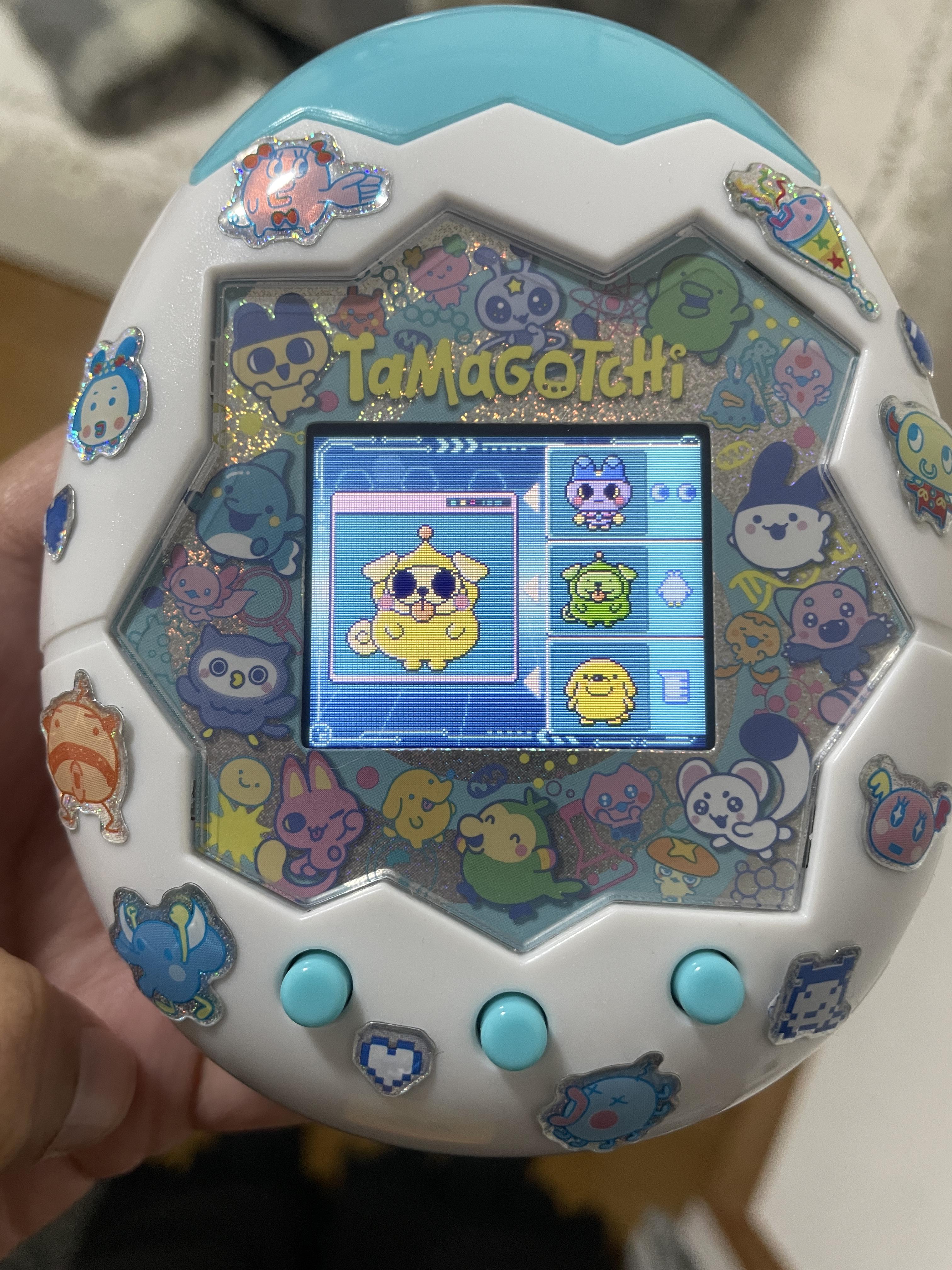
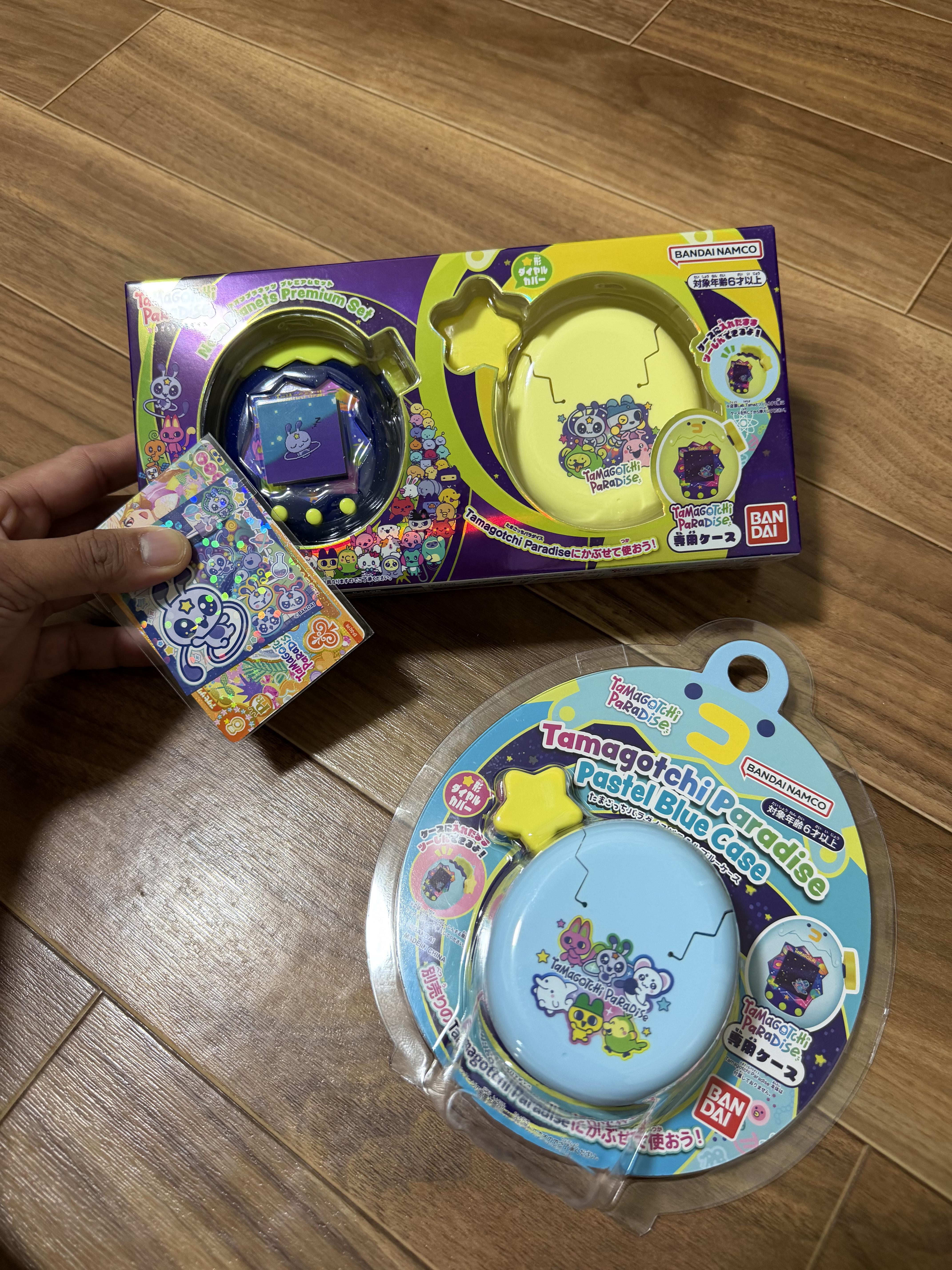
So I’ve been experimenting with using blue light LEDS as a possible way to reverse yellowing in the plastic of Tamagotchi and other virtual pets, inspired by similar work being done in the comic book restoration community and as well as this article on using blue light to gently restore yellowed cloth. Initial tests have had really encouraging results! Here are all my before and afters so far. I also posted more photos and a deeper dive into the process on my blog here: https://tamaconservatory.blogspot.com/p/exploring-blue-brighting-potential.html
What's great is that the method requires no liquids, peroxide, UV, or disassembly. It also targets yellow specifically without bleaching all the other colors as well. By shining high intensity blue LEDS in the 445-460nm range (usually available for plants and aquarium use) directly onto the affected plastic it can break down the molecules responsible for the yellowing and turn them to a form that reflects less yellow light.
Quick science review: the color we see an object as is determined by the wavelengths of light it reflects. A yellow object reflects yellow light while absorbing most of the blue and violet light. This means that the compounds responsible for yellowing absorb blue light specifically, allowing us to target them with this spectrum of high intensity blue LEDs.
My Setup: I purchased this light that was recommended by the comic book community https://www.amazon.com/dp/B075RYNP18? (apparently originating from the book "Comic Book Stain Removal and Whitening" by Michael Frederik Sorensen). I also grabbed a compatible socket and some anti-blue light glasses since this spectrum probably isn't great for your retinas long term. I papered over the interior of a box with white printer paper (for light refraction) and hung the light about 10 inches above.
*Edit:* I’ve become worried about heat from the lamp building up on the Tama and possibly damaging the plastic or stressing the LCD over the long exposure time. I’ve started using a fan pointed at the Tamagotchi under the light and I actually think the light treatment gets better results with the addition of the fan keeping things cool.
I kept all the test subjects intact without disassembling. I did put masking tape over the screens because I don't know how the LCDs would be affected by the light. (I recommend doing a few layers of tape so light doesn’t leak through!) Results came at an interesting pace with the first three hours showing the most dramatic change, then continued improvement over the next 12 hours. After that point we seemed to hit diminishing returns where progress slowed and I stopped seeing much change. Very yellowed pieces saw an 85-90% improvement and seemed to settle there. Less yellowed pieces got to 95-99% improvement which is super cool imo o((>ω< ))o
I don't have a way to test this yet, but I'm hoping that the lack of UV and peroxide means this method is less damaging to the plastic overall. I will say to be wary using the lights on something that is intentionally yellow (or even some orangish reds) since this could possibly bleach those colors.
The biggest unanswered question now is how long does the results of this method last? Traditional retrobrighting is sort of infamous for reverting within a few months to a year, and it's very possible this method has a similar time scale. I plan to post an update next fall 2027 with the long term results.
Anyway if anyone else decides to try this out, I'd love to see your results!! ╰(*°▽°*)╯
EDIT: if you double up the lights (pointed at the same spot) or get them too close it could potentially cause the tamagotchi to heat up more than it should, and possibly deform the plastic or stress the LCD over a long exposure time. Distance will depend on how intense your lights are, but if they are strong and put out a lot heat then try to keep the lights 9-10 inches (25 cm+) away, don't point more than one light at the same spot, monitor periodically for unwanted heat build up, and for protection and best results I recommend using a fan!
Also avoid exposing your eyes to this wavelength! Don't look directly into or at the light