r/Archaology • u/haberveriyo • 8h ago
r/Archaology • u/haberveriyo • 14h ago
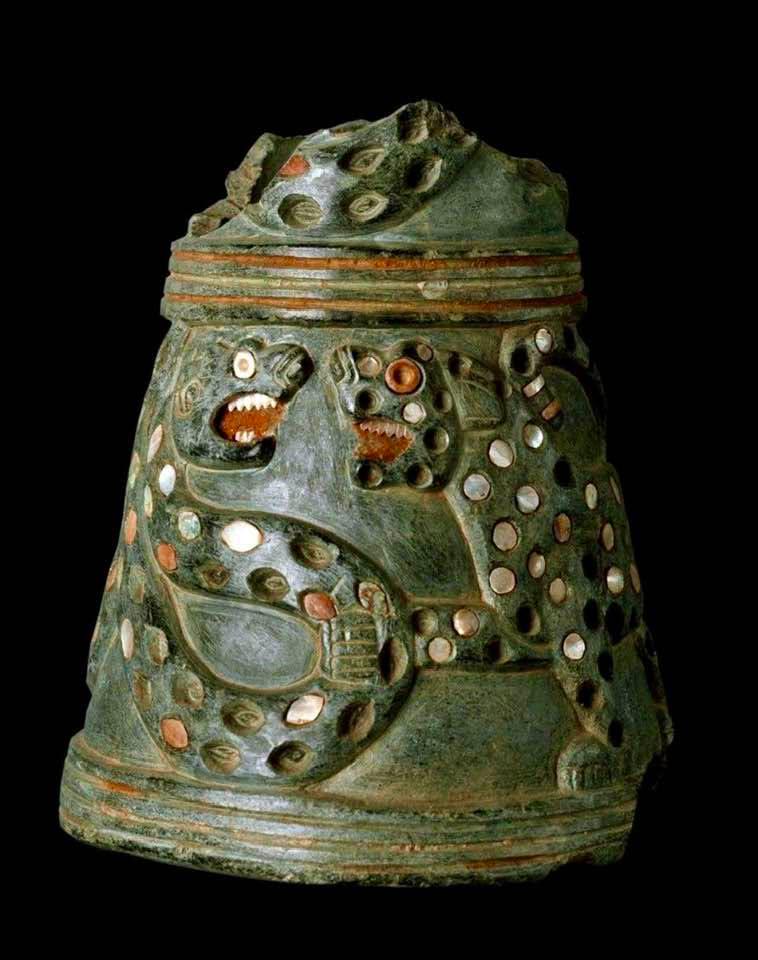
This chlorite vessel, depicting a lion fighting a snake, was found in the Temple of Inanna at Nippur, Iraq. Its inscription reads “Inanna and the Snake.” Dating to Early Dynastic II/III (c. 2600–2400 BCE), the vessel is now listed as part of the collection of the Iraq Museum in Baghdad.
r/Archaology • u/haberveriyo • 13h ago
3,400-Year-Old Papyri Found in Ancient Egyptian Rubbish Dump Suggest Mass-Produced Curses
r/Archaology • u/desertgodfather • 12h ago
research efforts have revealed evidence of human activity dating back 125,000 years at the Mundafan Palaeolake site in the Empty Quarter, southern Saudi Arabia.
r/Archaology • u/crisp1991 • 13h ago
Archaeologists keep discovering Roman Dodecahedrons and no one knows what they are for. 130 have been discovered predominantly in northwestern Europe. 2,000 years ago Romans were making intricate 12-sided objects, but why? Somewhere, a Roman is laughing at us.
r/Archaology • u/haberveriyo • 9h ago
Ancient Turkic Ritual Complexes With Stone Rows Stretching 600 Meters Discovered in Siberia
r/Archaology • u/haberveriyo • 20h ago
Roman relief depicting a goat’s head, 120–140 CE, from the British Museum.
r/Archaology • u/haberveriyo • 14h ago
Kahintepe: Ancient Neolithic Sanctuary in Northern Türkiye Faces Threat of Submersion | Anatolian Archaeology
r/Archaology • u/haberveriyo • 13h ago
3,200-Year-Old Monumental Mycenaean Tomb Discovered on Greek Island of Euboea
r/Archaology • u/haberveriyo • 13h ago
Lost Royal Tomb of the Ptolemies May Have Been Found in Ancient Alexandria
r/Archaology • u/haberveriyo • 1d ago
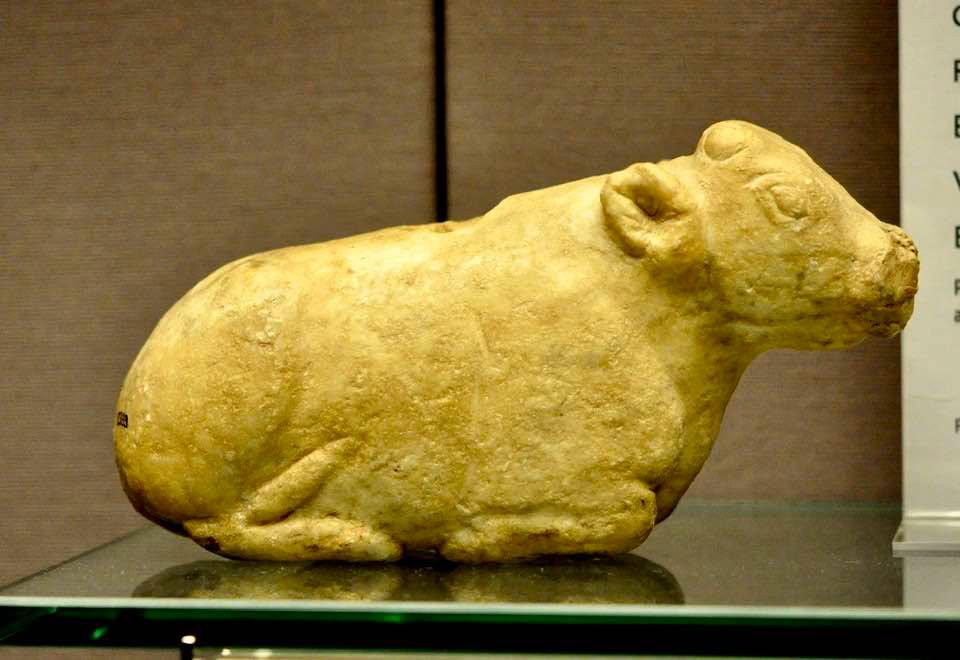
Stone calf from the Late Uruk Period (3300–3000 BCE), found at Ur in Mesopotamia (modern-day Iraq). A hole in its back may have been used to attach it to a vertical pole or another fitting. British Museum. — Osama Shukir Muhammad Amin
r/Archaology • u/haberveriyo • 1d ago
2,000-Year-Old Roman Glass Found in Portugal Reveals Traces of Egyptian Blue
r/Archaology • u/haberveriyo • 1d ago
Sacred Chalices Found Deep Inside the Well of the Virgin Mary | Arkeonews
r/Archaology • u/haberveriyo • 1d ago
Lost Royal Tomb of the Ptolemies May Have Been Found in Ancient Alexandria
r/Archaology • u/haberveriyo • 1d ago
Unusual Ancient Tomb Found Atop a Mushroom Rock in Cappadocia
r/Archaology • u/haberveriyo • 2d ago
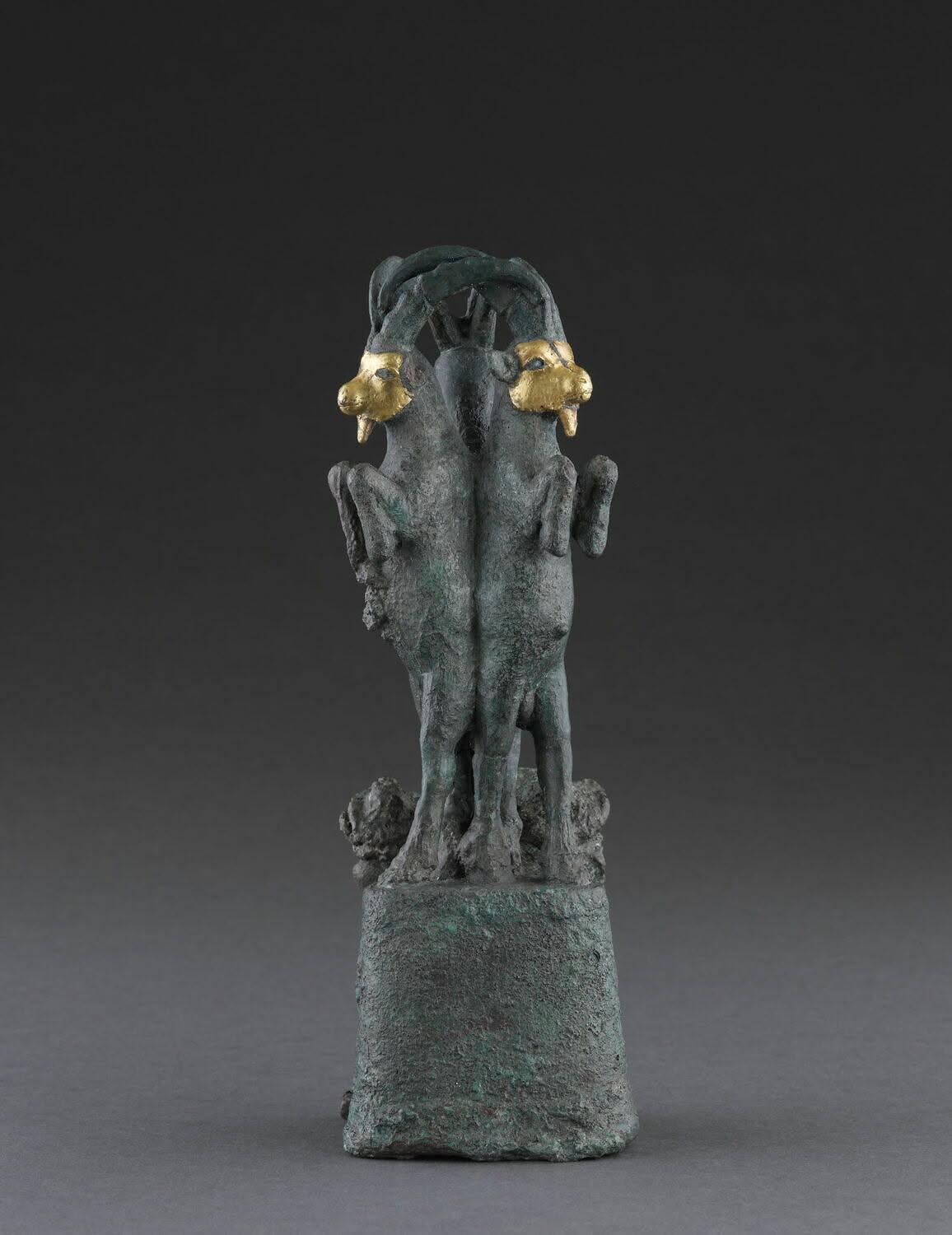
Mesopotamian Bronze Goat Vessel Stand | 2000–1800 BCEDating back approximately 3,800–4,000 years, this extraordinary ceremonial object was discovered at the ancient city of Larsa in southern Mesopotamia, modern-day Iraq. Louvre Museum, Paris
r/Archaology • u/haberveriyo • 2d ago
3,500-Year-Old Mycenaean-Type Sword and Battle Axes Unearthed in North Macedonia
r/Archaology • u/haberveriyo • 2d ago
700-Year-Old Discoveries Reveal Daily Life in the Golden Horde’s Capital
r/Archaology • u/hassusas • 3d ago
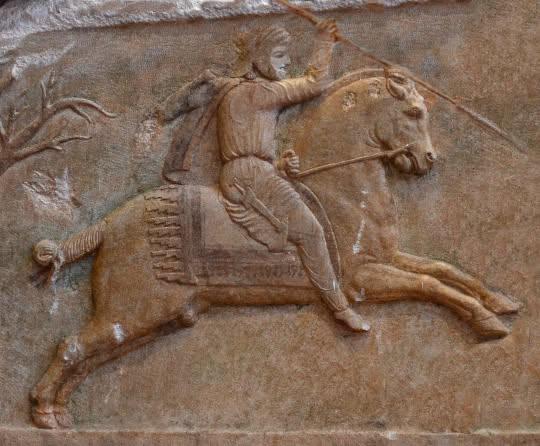
Achaemenid calvalryman in the satrapy of Hellespontine Phrygia, Altıkulaç Sarcophagus, early 4th century BCE.The Altıkulaç Sarcophagus, dating to 400–375 BCE, was discovered in 1998 in a looted tomb near Çan, in ancient Hellespontine Phrygia. The sarcophagus is now displayed at the Troy Museum.
r/Archaology • u/haberveriyo • 3d ago
1,500-Year-Old Gold Medallions May Reveal Rome’s Bid to Win Over an Ancient Kingdom
r/Archaology • u/haberveriyo • 3d ago
Sasanian Rock Carvings of Human Hands Reveal Clues to Ancient Persian Religious Rituals
r/Archaology • u/haberveriyo • 3d ago
New Study Identifies Possible Location of 2,000-Year-Old Roman Legionary Camp in Jerusalem
r/Archaology • u/Nachtfalke19 • 3d ago
Reconstructing Fyrkat Viking Ring Fortress - PixStory
What can a thousand-year-old Viking fortress teach us about mapping? More than you might think.
Our latest PixStory explores Fyrkat, one of Denmark's UNESCO-listed Viking ring fortresses, where drone imagery, digital mapping, and archaeological research come together to reveal one of the Viking Age's most precisely engineered sites.
From the circular earthworks to the carefully planned arrangement of sixteen longhouses, Fyrkat demonstrates how modern geospatial technologies can help us visualize, document, and preserve cultural heritage.
Read the full PixStory here: https://pixelement.com/.../2026/07/24/pixstories-fyrkat.html
r/Archaology • u/haberveriyo • 4d ago
13,000-Year-Old Human Skeleton in Mexico Reveals Clues to America’s Early Inhabitants
r/Archaology • u/desertgodfather • 3d ago
Dr. Eid Al-Yahya reports directly from the Qusairat Aad excavations (Al-Aflaj, Saudi Arabia, ~370–400 km south of Riyadh), run by the Heritage Commission and King Saud University, including a jar repaired with bronze patches and rivets.
A documentary episode by Dr. Eid Al-Yahya follows the Saudi Heritage Commission's excavations at Qusairat Aad. The site lies in Al-Aflaj Governorate, about 370–400 km south of Riyadh, and the work is done jointly with King Saud University's Department of Archaeology.
Video : https://youtu.be/sGAjdaFBz-4
The video is in Arabic, so I translated and summarized the main points below.
The site
• It is linked to the springs of Al-Aflaj, which dried up in 1983. Excavators found underground water channels and calcareous deposits that connect the site to those springs.
• It appears in medieval sources such as al-Hamdani and Yaqut al-Hamawi, and was visited by Philby.
• Locals call it "Qusairat Aad" ("the little palaces of ʿĀd") because they attribute its old structures and wells to the legendary people of ʿĀd.
• It was only described in a 1979 survey. Focused excavation began in 2019.
Finds shown in the video
• A large black-slipped jar resembling pottery from the site of Layla, with an ancient crack repaired from inside using bronze patches and rivets.
• Water basins and a tightly sealed storeroom, possibly for liquids or for making fermented drinks and date molasses (residues were found on the walls).
• A room with grinding-stone bases and four floor sockets that held wooden looms.
• A building with three successive occupation phases. A woman's skeleton was found about 5 m deep, carefully laid out with hands on the chest, and dated to roughly 400–450 CE.
• On the first mound, massive stepped walls of mudbrick. The excavators suggest a religious function because of braziers with burn marks. Radiocarbon dates on bone and charcoal place some layers in the 1st century BCE.