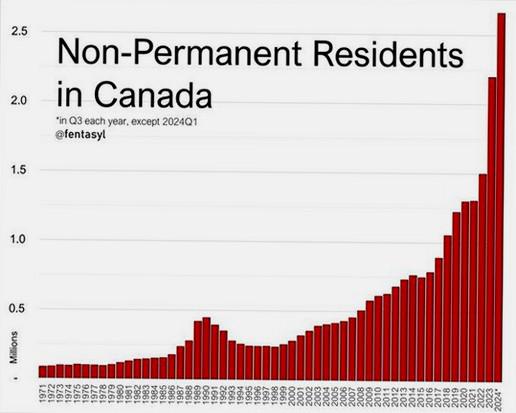
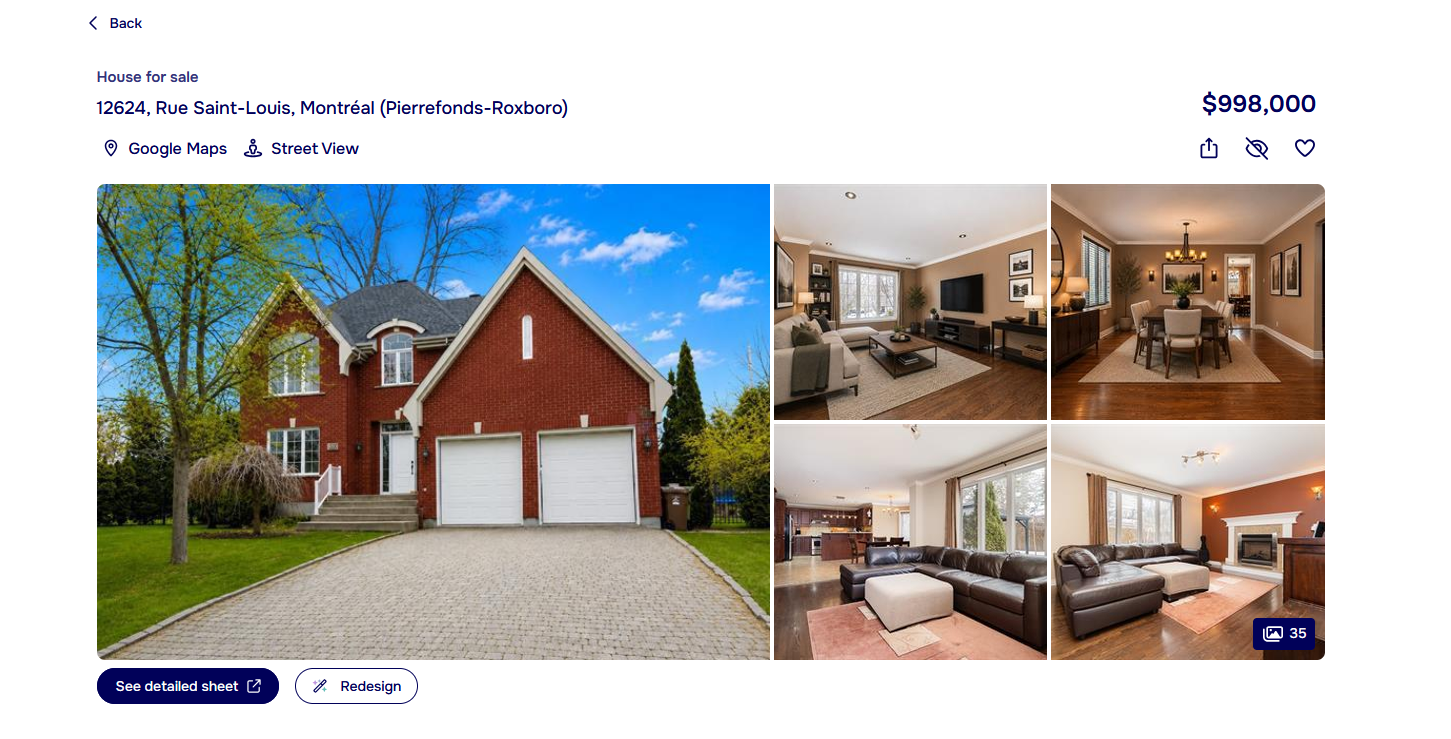
What I really want is the best housing policy that every country in the world should use that makes housing as cheap and attainable as possible for EVERYONE.
Should housing primarily be a place for people to live, or an asset whose owners can profit from its scarcity?
A policy that makes housing attainable for everyone has to address both sides of that problem: make it easier to create enough good homes, and ensure people who need housing can access it even when they have little money. Simply banning investors, building more houses, or subsidizing buyers addresses only part of the system.
There is no single law that will work identically in every country. Countries differ in land ownership, income, population growth, infrastructure, construction capacity, and government resources. But a common policy framework can be built around universal principles, with implementation adapted to local conditions.
1. The policy: a universal housing guarantee
I would structure a global housing policy around one principle:
Every person must have access to safe, adequate, stable housing at a cost they can afford, while the rules of the housing market must prevent artificial scarcity and discourage profit-seeking that undermines that access.
This doesn't mean every person is entitled to a free detached house in any location they choose. It means nobody should be forced into homelessness or unsafe housing because their income is too low, and governments should not make affordable housing structurally difficult to build.
That approach is consistent with the direction of UN-Habitat's housing framework and with OECD research emphasizing both housing supply and affordable, social housing.
Here is how I would turn that principle into policy.
2. The seven pillars
Pillar 1 — Make it legal and practical to build enough homes
Governments would establish housing targets based on population growth, existing shortages, household formation, and local demand.
- Permit apartments, townhouses, duplexes, and small homes in more residential areas.
- Allow additional floors and homes near public transport and employment.
- Set clear, published building standards and predictable permit timelines.
- Invest in water, sewage, roads, electricity, and transit alongside construction.
- Allow safe, smaller, incremental, and factory-built housing where appropriate.
Why: If demand rises while the supply of homes is artificially constrained, competition for existing homes pushes costs up. The World Bank and OECD both identify restrictive land-use rules as a barrier to housing supply.
Pillar 2 — Build a permanent supply of homes outside the speculative market
Every country would maintain a substantial, long-term stock of public, cooperative, and nonprofit housing.
- Build homes for low-income households, families, seniors, and people with disabilities.
- Let municipalities, housing cooperatives, and nonprofit providers own homes permanently.
- Use public land for housing instead of selling every valuable parcel to the highest bidder.
- Keep publicly funded affordable homes affordable through enforceable long-term rules.
- Allow mixed-income developments so affordable housing isn't isolated from jobs, schools, and services.
Why: Private construction alone does not guarantee homes for people who cannot pay market rents. The OECD's 2026 policy brief specifically identifies expansion of affordable and social rental housing as a key part of closing the affordability gap.
Pillar 3 — Tax land speculation, not homebuilding
Shift more of the property-tax burden toward the value of land, especially valuable land left unused in areas where housing is urgently needed.
- Introduce a recurring land-value tax, phased in over time.
- Tax vacant serviced residential lots and long-term land banking where there is genuine housing demand.
- Recover part of the land-value increase created by public infrastructure and rezoning.
- Reduce taxes and fees that disproportionately penalize adding new homes.
- Offer deferrals or protections for low-income homeowners whose land value rises but whose income does not.
The distinction matters: A land-value tax targets the location value of land, not the value added by building or improving a home. The OECD discusses land-value taxation and land-value capture as tools for addressing housing inequality and discouraging land hoarding.
Pillar 4 — Restrict harmful speculation without destroying rental supply
The goal should be to stop housing from being treated as a vehicle for extracting wealth at the expense of residents, while preserving responsible rental housing investment.
- Require disclosure of the real beneficial owners of residential properties, including ownership through companies and trusts.
- Apply additional taxes to rapid resale, vacant homes, and land held idle for speculation, with exceptions for legitimate circumstances.
- Limit tax advantages that encourage borrowing to accumulate existing homes rather than create new housing.
- Consider restrictions on bulk purchases of existing homes in severely undersupplied markets.
- Give owner-occupiers, community housing organizations, or public housing agencies a fair opportunity to acquire selected properties where large-scale purchases threaten access.
- Enforce competition rules against collusion, price-fixing, and abusive landlord practices.
A critical safeguard: Buying an existing home does not automatically create another home. But banning every company or investor from owning existing housing could also reduce rental options, maintenance investment, or the supply of professionally managed rental units. Rules should target measurable harm, with exemptions for new construction and legitimate rental provision.
Pillar 5 — Protect people who rent
- Require written leases, transparent fees, and clear maintenance responsibilities.
- Establish predictable rent-increase rules and independent dispute resolution.
- Prevent arbitrary eviction and require lawful grounds and due process.
- Enforce minimum standards for heating, sanitation, structural safety, and overcrowding.
- Provide targeted rental assistance when incomes temporarily or persistently fall below housing costs.
Rent regulation needs careful design: overly rigid caps can discourage new rentals or maintenance, while no protections can expose tenants to sudden displacement. Countries should evaluate tenant stability and rental availability together rather than treating either as the only goal.
Pillar 6 — Make homebuilding accessible to ordinary people
A person should not need to be wealthy or have a large developer behind them to build a lawful, basic home.
- Publish standard, pre-approved designs for safe small houses and accessory dwellings.
- Create one-stop permitting systems with clear fees, deadlines, and appeal procedures.
- Allow owner-builders to do work they are competent and legally authorized to perform.
- Provide serviced plots, long-term leases, and community land trusts.
- Permit incremental construction when essential safety and sanitation requirements are met.
- Expand vocational training and construction capacity, and reduce avoidable material and procurement costs.
This is especially important in lower-income countries, where formal housing rules and land administration can exclude people who could otherwise build gradually. UN-Habitat's land-policy guidance specifically discusses simpler administrative processes, incremental construction, and diverse forms of land tenure.
Pillar 7 — Guarantee emergency housing and measure results
- Provide immediate safe shelter for people facing homelessness, with pathways into stable housing.
- Set a minimum national standard for adequate housing, water, sanitation, safety, and security of tenure.
- Publish housing affordability, homelessness, vacancy, construction, and displacement data.
- Audit public land transactions, subsidies, contracts, and housing waitlists.
- Review each policy regularly and remove measures that consistently worsen affordability or supply.
The international benchmark can be affordability: UN-Habitat commonly uses housing costs exceeding 30% of household income as an indicator of housing unaffordability. That is a useful warning threshold, not a perfect rule for every income level or country.
3. How to implement it without causing a housing crisis during the transition
The order of implementation is important. If a government suddenly restricts existing housing investment before it has expanded alternatives, it could reduce rental supply or make financing new homes more difficult. Conversely, if it only builds homes but leaves land hoarding and exclusionary rules untouched, affordability gains may be captured by landowners.
I would implement the framework in four stages.
1
First 12 months — Establish the rules and baseline
- Measure housing shortages, homelessness, rents, land prices, and construction costs.
- Create a transparent registry of property ownership and beneficial owners, with privacy safeguards.
- Identify public land suitable for housing.
- Simplify permits and legalize more housing types in appropriate areas.
- Protect tenants from unlawful eviction and unsafe conditions.
- Announce a multi-year housing construction and infrastructure plan.
2
Years 1–3 — Start building and unlock existing homes
- Begin public and nonprofit housing construction.
- Offer incentives to bring suitable vacant homes into use.
- Start targeted anti-speculation taxes and land-value tax pilots.
- Establish standardized plans and faster approvals.
- Train more construction workers and expand infrastructure capacity.
- Give households in immediate danger of homelessness rapid access to safe housing.
3
Years 3–7 — Scale up and rebalance incentives
- Expand social and cooperative housing according to measured need.
- Phase in land-value taxation while reducing taxes that discourage construction.
- Enforce ownership, vacancy, and competition rules.
- Expand public transport and utilities to suitable new housing areas.
- Review whether rental regulations are protecting tenants without suppressing new supply.
4
Years 7–15 — Make affordability durable
- Maintain housing construction in line with demographic and regional needs.
- Preserve public and community housing over generations.
- Adjust land and housing taxes when evidence shows unintended consequences.
- Ensure that no region is permanently excluded from affordable housing by restrictive planning.
- Make housing outcomes a permanent, independently audited government responsibility.
These are proposed implementation windows, not a guarantee that a country could eliminate its housing shortage within those periods. Existing shortages, construction capacity, public finances, and population growth would determine the actual pace.
4. How should the system be funded?
No housing policy is cost-free. The aim should be to use existing resources more effectively and spread costs transparently.
| Funding source | What it can pay for |
|---|
| Land-value taxes | Infrastructure and housing programs, with protections for cash-poor owners |
| Taxes on vacant property and speculative landholding | Local housing and vacancy-enforcement programs |
| Recovery of publicly created land-value gains | Transit, utilities, and affordable development |
| Public borrowing | Long-lived housing and infrastructure assets |
| Rental income from public housing | Maintenance, operations, and part of future construction |
| Private and cooperative investment | Additional construction under affordability and tenant-protection rules |
| General taxation | Emergency housing and support for people unable to afford even cost-based housing |
A key design principle is to avoid relying on ever-rising home prices to fund government. When governments depend heavily on transaction taxes, development charges, or revenue linked to rising property values, they can face conflicting incentives. Land-value taxation and better recovery of publicly created land value are among the approaches discussed by the OECD and UN-Habitat.
5. How do we stop the rules from being captured by wealthy interests?
This is as important as the housing rules themselves. A theoretically good policy can fail if it is full of exemptions, poorly enforced, or written by those who benefit from scarcity.
I would require:
- Public accountability: Governments publish annual data on land ownership concentration, housing costs, public spending, and completed homes.
- Independent evaluation: An independent body checks whether policies improve affordability, rather than merely increasing the number of homes sold.
- Transparent exceptions: Tax exemptions and special development approvals must have published criteria and be open to audit.
- Beneficial-ownership enforcement: Authorities can identify the actual people controlling companies that own property.
- Anti-corruption rules: Public land sales and housing contracts use transparent processes, with conflicts of interest disclosed.
- Resident participation: Tenants, homeowners, builders, and people experiencing homelessness all have a formal way to contribute to policy design.
- Automatic review: Policies that produce sustained shortages, displacement, or unintended incentives must be revised.
No government can guarantee that every person will agree with a housing policy. It can, however, make it harder for any one interest group to quietly prevent housing from being built or to capture the benefits of public investment.
6. What would success look like?
I would judge the policy by whether people's actual housing conditions improve, not by the total value of real estate or the number of homes built alone.
A public housing scorecard
These are proposed targets and indicators, not current global statistics.
Affordability
Track the share of income spent on housing, separately for low-, middle-, and high-income households.
Housing access
Track homelessness, overcrowding, unsafe housing, waiting lists, and the time needed to secure a suitable home.
Supply and cost
Track completed homes, construction costs, permit delays, vacancies, and the supply of homes near employment.
Fairness
Track the distribution of housing benefits, land concentration, evictions, displacement, and access to homeownership or stable rental housing.
A practical long-term goal would be for every household to have access to adequate housing without sacrificing essentials such as food, healthcare, and transportation. The 30% housing-cost threshold is a useful starting indicator, but a household earning very little may need more assistance than that threshold alone suggests.
7. What I would not do
Several attractive-sounding policies can backfire when used alone.
| Policy | Main risk if implemented in isolation |
|---|
| Ban all corporate ownership of homes | Could reduce some rental options or investment in professionally managed housing |
| Freeze all rents indefinitely | Could discourage maintenance and new rental construction |
| Subsidize every buyer | Extra purchasing power can push prices up if housing supply is constrained |
| Force developers to build without fixing permits and infrastructure | Projects may become financially or physically infeasible |
| Build only public housing | May not create homes quickly enough if public budgets and construction capacity are limited |
| Abolish all building regulations | Can create unsafe, unhealthy, or disaster-prone housing |
The aim isn't to protect property investors from every loss, nor to punish everyone who owns more than one property. It is to make the housing system deliver adequate homes reliably, while allowing investment and construction that contribute to that objective.
8. How could this become a policy every country uses?
A global framework would be a shared standard, not a single worldwide housing law. National and local governments would retain control over their own implementation.
The sequence could be:
- Agree on a common international housing standard covering affordability, safety, access to services, and security of tenure.
- Require national housing strategies with measurable targets, budgets, timelines, and public reporting.
- Provide technical and financial support to countries that lack construction capacity, reliable land registries, infrastructure, or the funds to provide basic housing.
- Share evidence across countries so governments can compare policies and adapt those that work in similar conditions.
- Review results regularly through independent measurement, public participation, and transparent reporting.
UN-Habitat already works on international housing frameworks and policy support, providing a foundation for this kind of cooperation.
My central conclusion
The central policy change is to stop treating housing affordability as something that will automatically emerge from the market, and instead make it an explicit public objective.
That means building enough homes, keeping a permanent supply of non-speculative housing, making land hoarding less attractive, protecting tenants, and making it possible for ordinary people to build or obtain a home without excessive cost or bureaucracy.
One final distinction matters: housing does not have to be entirely free of private ownership or profit to be broadly attainable. The test is whether the system reliably provides homes to people who need them, including people who cannot offer investors an attractive return.
If a country can build many expensive homes while people remain homeless, its housing policy has not met that test. If it protects property values but makes it impossible for workers to live near their jobs, it has not met that test either.
A housing system should ultimately be measured by the people it houses—not just by the value of the property it creates.
TLDR - 7 Pillars to the policy:
Make it legal and practical to build enough homes
Build a permanent supply of homes outside the speculative market
- Needs significant improvement
Tax land speculation, not homebuilding
Restrict harmful speculation without destroying rental supply
Protect people who rent
Make homebuilding accessible to ordinary people
Guarantee emergency housing and measure results
- Not doing. Homeless everywhere