r/FolkloreAndMythology • • 4h ago

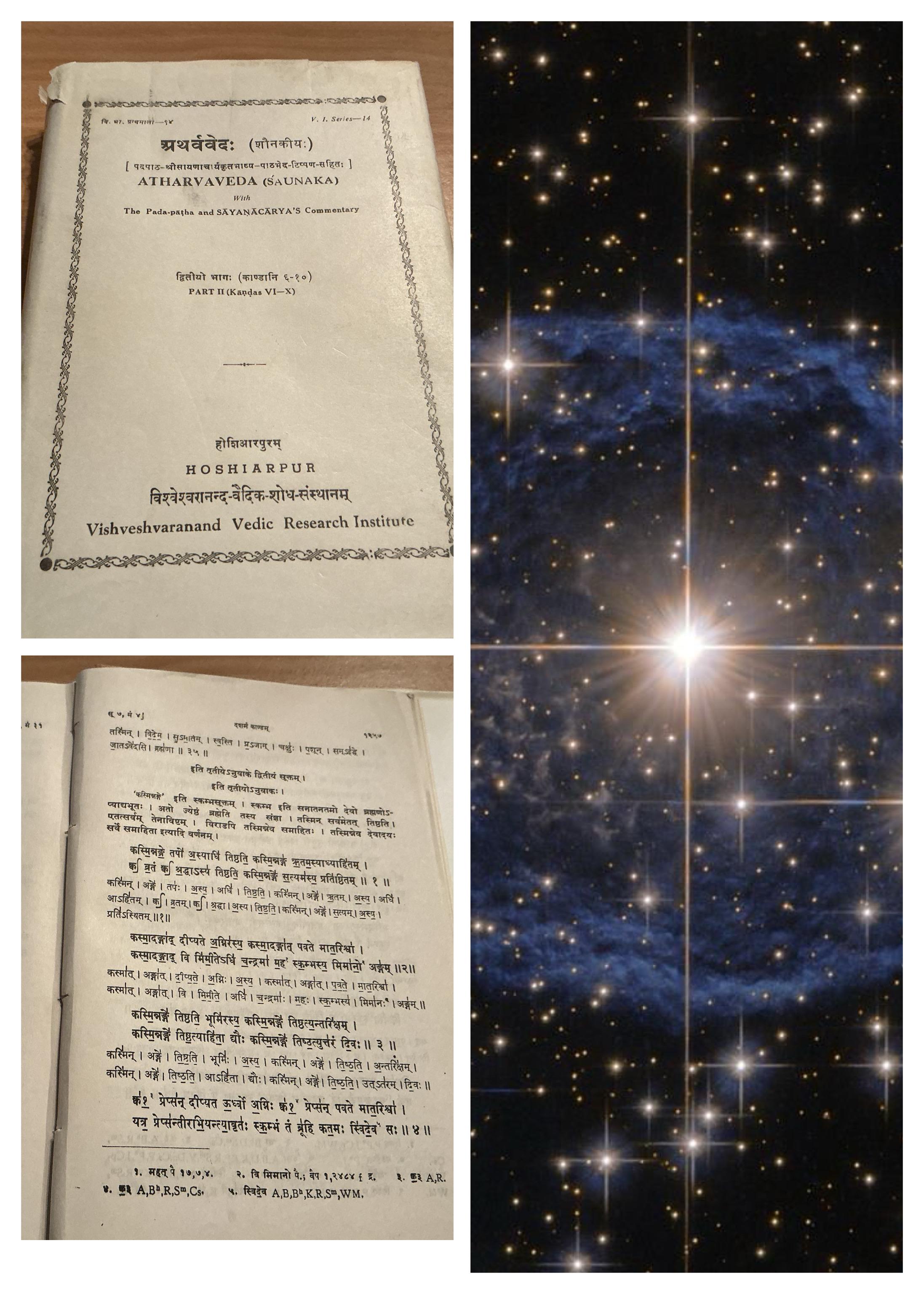
The Song of Skambha, Atharva Veda 10. 7.

Post image
1 Upvotes

In the Atharva Veda we find the “song of Skambha”, which is the Hymn 10. 7., where we get in details described Skambha. Skambha is said to be the Supreme Spiritforce of the Universe, which holds, sustains and controlls every part of the universe in its place with its functions.

This Spirit is pure spirit. In the Song of Skambha it is described as a person with its parts of the body, their place and function. This Song of Skambha is a beautiful Hymn created by cosmic imagination.

We find Skambha and stories of its limbs and functions in the texts of all the ancient cultures around the world. Greek, Mesopotamia, Nordic, Egypt, Celtic.. They all have their own names and myths around this axis of the universe.

The function of Skambha and other myths of these ancient cultures show that they had the knowledge of the presession of the equinox.


r/FolkloreAndMythology • • 6h ago

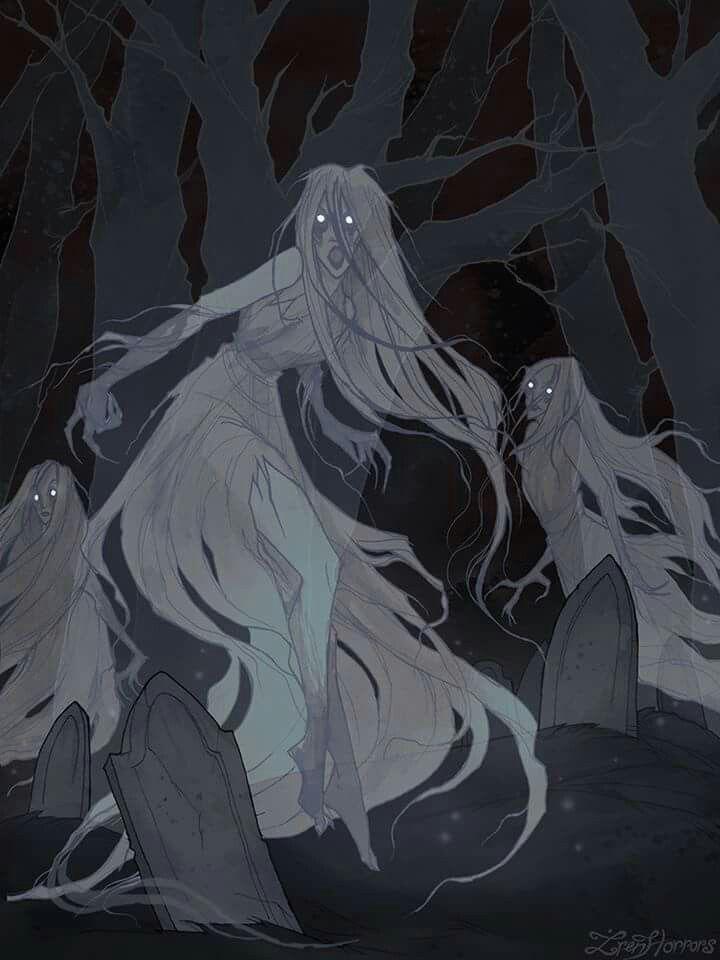
Which mythological monster would you least want to meet: Medusa, Fenrir or a Celtic banshee?

Post image
8 Upvotes

r/FolkloreAndMythology • • 7h ago

Krampus, the Wild Hunt or Black Shuck: which winter legend unsettles you most?

Post image
48 Upvotes

r/FolkloreAndMythology • • 1d ago

Skambha, the axis of the universe

Post image
7 Upvotes

r/FolkloreAndMythology • • 1d ago

Retellings?

3 Upvotes

Am I just curious to get others' opinions

As fairy tales have been told orally through many centuries and cultures,

But in this day and age, what, in your opinion, qualifies something as a good retelling of a fairy tale?


r/FolkloreAndMythology • • 1d ago

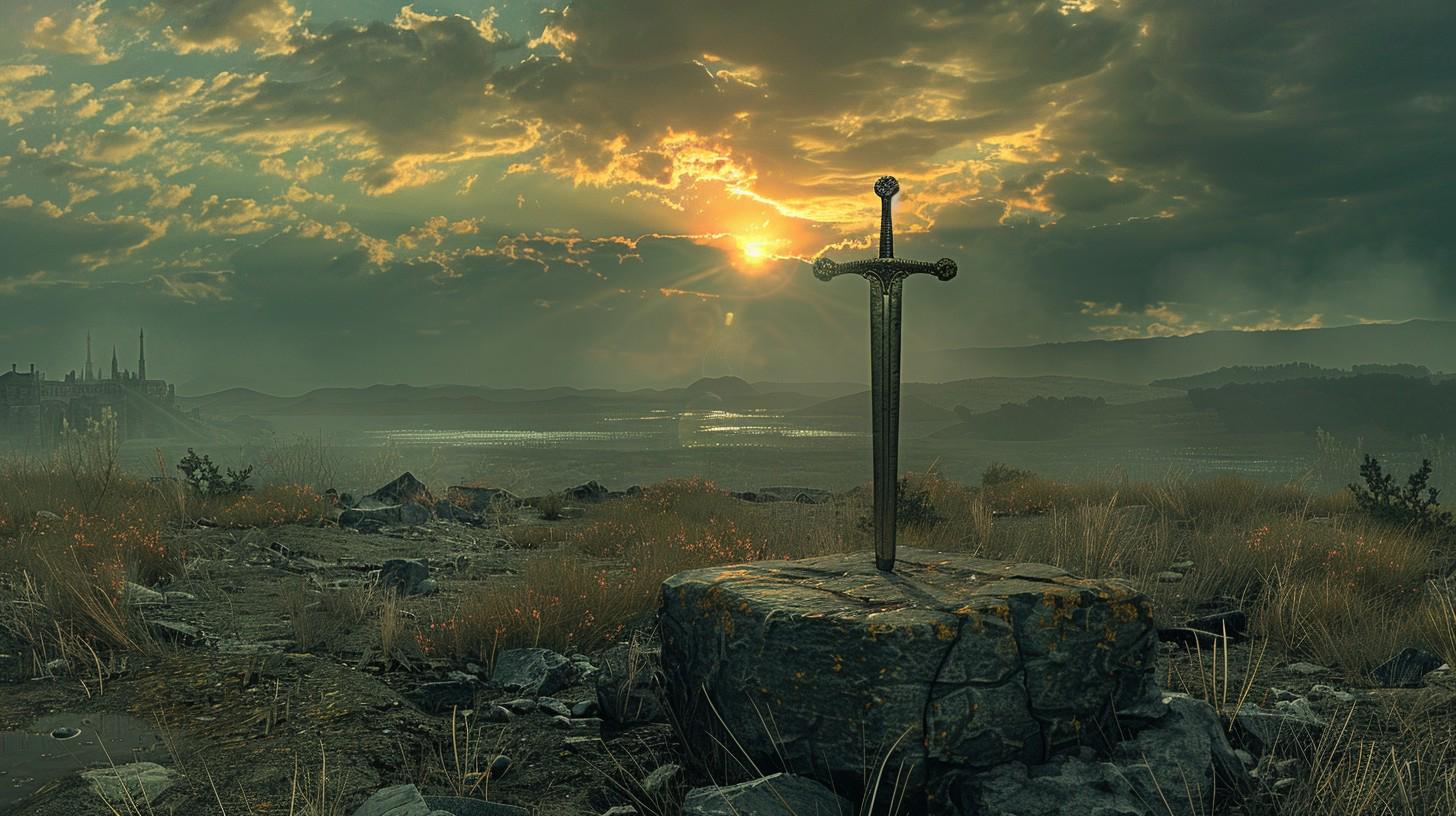
How People Have Viewed the Sword Through the Ages

Post image
34 Upvotes

A sword is more than a piece of metal. When someone finds one in a forest, hidden beneath the earth, inside an old tomb, or among buried treasure, it is difficult not to wonder who once carried it and what happened to them. Perhaps it was used in a great battle, perhaps it belonged to a king or a warrior, or perhaps it was passed down through generations. Even when its story is lost, a sword seems to carry the memory of something that happened long before it was found.

Throughout history, people have given swords meanings that go far beyond their use as weapons. They have represented power, honour, justice, loyalty, death, protection, and destiny. Some were believed to possess magical powers, others became symbols of royal authority, and some were remembered because of the people who carried them. In myths, legends, and stories, a sword could be just as important as the hero himself.

In many legends, a sword is not simply found or made. It has a special origin, and sometimes only one person is worthy of carrying it. The best-known example is Excalibur, the sword associated with King Arthur. In one part of the Arthurian tradition, Arthur proves his right to rule by pulling a sword from a stone. In another, Excalibur is given to him by the mysterious Lady of the Lake. These are not always the same sword in the older versions of the legend, although later retellings often combine the stories. Either way, the sword becomes a sign of kingship and a reminder that Arthur's authority is something extraordinary.

Greek mythology gives us another famous example through Perseus. Before facing Medusa, he receives a special curved sword from Hermes and a polished shield from Athena. The shield allows him to see Medusa's reflection without looking directly at her. His victory depends not only on the weapon, but also on preparation, intelligence, and help from the gods. The sword is part of a larger story in which even a seemingly impossible enemy can be defeated through courage and cleverness.

In Norse mythology, the sword of Surtr has a much more terrifying purpose. Surtr is a fire giant who appears during Ragnarök, the final destruction of the old world. His shining, blazing sword is associated with the fire that consumes the world. It is not a weapon used to win a battle or protect a kingdom. It is an instrument of the world's destruction, a reminder that even the gods and their world cannot last forever. The image of a sword bright enough to set the world ablaze is one of the most striking images in Norse mythology.

Other legendary swords have their own histories and curses. Gram, the sword associated with the hero Sigurd, is reforged after being broken and is later used to slay the dragon Fafnir. Tyrfing, on the other hand, is a cursed sword forged by dwarves. Its power brings death and tragedy to those connected with it. One sword becomes part of a heroic destiny, while the other seems to carry a destiny of its own, dragging its owners towards disaster.

Japanese mythology also has a sword with a special place in the history of a nation. Kusanagi-no-Tsurugi, often translated as the Grass-Cutting Sword, was discovered in the tail of the great serpent Yamata no Orochi by the storm god Susanoo. It later became one of the Three Imperial Regalia of Japan, objects associated with the authority of the emperor. In another part of its legend, the hero Yamato Takeru uses the sword to cut through grass and escape an enemy's attempt to trap him in a fire. Here, the sword is not only a weapon or a magical object. It becomes part of a country's identity and tradition.

Slavic folklore has its own extraordinary weapons, including the sword known as Kladenets. It appears in different tales and is often described as a remarkable or magical sword, far beyond an ordinary weapon. Serbian epic poetry also gives the sword an important place in the stories of heroes such as Prince Marko. In some traditional tales, Marko helps a fairy, and the encounter becomes connected with the extraordinary strength for which he is remembered. These stories show how a sword, a hero, and the supernatural world can become closely connected.

Not every sword in a story needs to be magical to carry a deeper meaning. The ancient story of the Sword of Damocles is a good example. Damocles is allowed to enjoy the luxury and power of a king, but a sword hangs above him by a single hair. It represents the danger that always accompanies power. The sword never needs to be used. Its presence alone is enough to remind Damocles that a position of great privilege can also be a position of constant danger.

The sword also became a symbol in the real world. In ceremonies, a sword placed on someone's shoulder can represent the granting of knighthood. In royal traditions, swords have been used during coronations and other ceremonies as signs of authority, duty, and the responsibility to protect a kingdom. The same object that could be used in battle could also be used to recognise someone's honour or position.

Swords were also connected with death and remembrance. In some historical burial traditions, warriors were buried with their weapons, including swords. These objects could reflect the person's status, identity, or role in life. A sword placed beside the dead was not simply another possession. It could be a sign of the life they had lived and the world they belonged to. In other circumstances, swords were used in executions and acts of violence, reminding us that the same weapon could represent honour to one person and terrible suffering to another.

There is something striking about the shape of a sword, too. Its long blade and crossguard can resemble a cross, which is why swords are sometimes used in films, games, and other stories as visual symbols of sacrifice, duty, or protection. This does not mean that every sword has a religious meaning, or that every creator intends such a connection. Sometimes the resemblance itself is enough to give an image a particular feeling.

Even the making of a sword could become part of its legend. The blacksmith was not always just a craftsman producing another weapon. In stories, a master smith could be almost as important as the hero who carried the blade. A sword might be forged by a mysterious figure, made from unusual materials, or created through a process that gave it a special power. In Norse and Germanic traditions, for example, dwarves were famous as extraordinary smiths who could create objects beyond the abilities of ordinary craftsmen. The skill of the maker could become part of the sword's identity.

In real history, swords also carried great value. They were expensive objects that required skilled craftsmanship, and some became family heirlooms passed from one generation to another. This helps explain why swords often appear among hidden treasures in adventure stories. A treasure chest might contain gold, jewellery, and precious objects, but a sword can be the item a hero chooses to keep. Its value is not always measured by the metal it contains. It might be useful in the journey ahead, connected to an old legend, or simply feel too important to leave behind.

As stories moved from old legends into books, films, and television, swords continued to carry these meanings. In The Lord of the Rings, Aragorn's sword Andúril is reforged from the broken Narsil. It connects him to his ancestors and to his claim to the throne. It is more than a powerful weapon: it represents a history that must be restored. In the same story, Éowyn faces the Witch-king of Angmar, who believes that no man can kill him. With Merry's help, she defeats him. The scene is not simply about a sword winning a fight. It is about courage and the unexpected way in which a prophecy can be fulfilled.

Conan's sword in the animated series Conan the Adventurer offers a different kind of example. His weapon is made from star metal and has a special power against the Serpent Men, creatures who can disguise themselves as humans. When the sword comes into contact with them, it reveals their true nature and can send them back to their own dimension. It is a weapon that does more than cut: it helps the hero recognise an enemy hiding in plain sight.

In The Three Musketeers, swords are connected with friendship, loyalty, and personal honour. In Kill Bill, Beatrix Kiddo's katana, made by the legendary swordsmith Hattori Hanzō, becomes an essential part of her journey of revenge. In Game of Thrones, swords such as Ice and Longclaw carry family histories and the responsibilities of the people who wield them. Each story gives the sword a different role, but it is rarely just an ordinary object.

Anime and manga have taken these ideas even further. In Bleach, Zanpakutō are connected to the souls of the Shinigami who carry them. Their powers and forms reflect their owners, and releasing a sword's true power is also a way of revealing something about the person using it. Some control fire or ice, others create illusions or change the rules of a deadly game. The sword becomes part of the character's identity.

In Demon Slayer, Nichirin blades are made from special materials that absorb sunlight, which is important because sunlight is one of the greatest weaknesses of demons. Their colours vary from one swordsman to another, giving each weapon its own appearance. In Attack on Titan, by contrast, soldiers use replaceable blades designed for one very specific purpose: cutting the weak point at the back of a Titan's neck. One series treats the sword almost as a personal companion, while the other presents it as specialised equipment needed to survive.

A particularly unusual example appears in Baki-Dou, where the historical swordsman Miyamoto Musashi is brought into the modern world. His swordsmanship is so overwhelming that he can make opponents experience the sensation of being cut even when no physical blade has touched them. His imagined cuts feel real to those facing him. It is an exaggerated fictional interpretation of swordsmanship, but it plays with an old idea: the skill and intention of the swordsman can become almost as frightening as the weapon itself.

That idea also connects with Record of Ragnarok. In the third round, Sasaki Kojirō faces Poseidon, the Greek god of the sea. Kojirō is based on a real Japanese swordsman, although many details of his life are surrounded by legend. In the story, he is remembered as a man who lost again and again, but every defeat taught him something. He studies his opponents, learns from their movements, and keeps improving. Against Poseidon, his patience and ability to predict attacks allow him to defeat a god. His victory is a celebration of persistence: a person does not have to be born the strongest to keep getting better.

Video games have continued to give swords their own histories and personalities. In The Legend of Zelda, the Master Sword is a weapon associated with the fight against evil. In Warcraft, Frostmourne is a cursed blade that steals souls and helps corrupt Arthas. In God of War III, the Blade of Olympus plays a major role in Kratos's struggle against Zeus, and its power becomes part of the tragedy surrounding Athena. In League of Legends, Viego's Blade of the Ruined King is tied to the Ruination, while Aatrox is a Darkin whose existence is bound to a greatsword that consumes the bodies of those who wield it. These weapons are not simply equipment. Their histories are woven into the stories of their owners.

Some fictional swords are remembered for their unusual forms. The Dragonslayer from Berserk is almost absurdly large, yet it fits the brutal world of Guts. In Naruto, Samehada is a living sword that feeds on chakra and can form a bond with its wielder. In Dororo, Hyakkimaru has blades hidden inside his prosthetic arms, making the sword almost a part of his own body. Even Future Trunks's sword in Dragon Ball, despite not having a special name, gives him one of the most recognisable appearances in the series.

From a weapon found in an ancient tomb to a magical blade carried by a hero, the sword has taken many forms. It has been a symbol of kingship, a sign of honour, a companion in battle, an object of ritual, a reminder of death, and sometimes a source of fear or destruction. It could be treasured, inherited, buried with its owner, or hidden away until someone worthy found it.

Perhaps that is what makes the sword so fascinating. It is a physical object, but people have always seen more in it than its metal and sharp edge. A sword can carry the memory of a battle, the history of a family, the authority of a ruler, or the destiny of a hero. Even when its original owner is long forgotten, the sword can remain — waiting for someone to wonder what story it once belonged to.
r/FolkloreAndMythology • • 1d ago

Canaanite Cosmology Map and Canaanite Gods Genaology

Thumbnail
gallery
45 Upvotes

Continuing with my project on Canaanite Mythology, I mapped out the Cosmology as seen in the picture above. I have included the original illustration and a labelled one. I have included descriptions of each key on the map in this description. I have also included an updated version of the Genaology that I previously posted here.

  • Cosmic Egg Upper Firmament: In the Cosmology, the universe was born from a Cosmic Egg, possibly called Mud. The upper part of the cracked shell formed and contained the sky.
  • Cosmic Egg Lower Firmament: Same as the Upper Firmament, except this part was used to form and contain the world and ocean below.
  • Shamayim's Realm: The skies, where Shamayim reigned until his defeat by El.
  • Targhizizi: One of the twin mountains that holds up the skies, sun, moon and the Upper Firmament of the shattered Cosmic Egg shell.
  • Tharumagi: The second twin mountain.
  • Open Maw of Mot: A gap between Targhizizi and Tharumagi that leads straight to the underworld. It is referred to as the Open Maw of Mot due to how Mot devours souls.
  • Mirey: The kingdom of the dead, ruled over by Mot.
  • Baau: The eternal darkness that existed before the universe itself. Baau created the Cosmic Egg along with Kolpias.

r/FolkloreAndMythology • • 2d ago

If you have “cat whiskers,” you're super lucky. 🐱✨

20 Upvotes

In Vietnam, these little cheek lines are sometimes called “cat whiskers” (râu mèo). They're short, slightly angled, crease-like lines on the cheeks, often appearing near the cheekbones or corners of the mouth when someone smiles.

According to a Vietnamese folk belief, people who have them are said to be deeply loved and doted on by their future partners.


r/FolkloreAndMythology • • 2d ago

What is the symbolic meaning for why some folklore creatures compelled to count things?

4 Upvotes

In some vampire, fairy, and devil stories the creatures cannot help but count seeds, salt, or similar things when presented with them.

This seems arbitrary at first, but usually I find that means there is a deeper symbolism being overlooked. What are your thoughts?


r/FolkloreAndMythology • • 2d ago

In Marvel Comics, Robin Hood was an Asgardian

Thumbnail
gallery
0 Upvotes

r/FolkloreAndMythology • • 3d ago

🫈

2 Upvotes

What's an obscure piece of folklore from your hometown that deserves more attention?


r/FolkloreAndMythology • • 3d ago

What does the Buffalo symbolize to you?

Post image
27 Upvotes

For thousands of years, Buffalo have been a cherished animal in native American religion. From the appearance of the white Buffalo woman to the glowing white Buffalo, this animal has been honored in lore and in life.

Native Americans have honored this animal. They turned its skin into drums 🥁 and kept its spirit alive. They used its bones for weapons to humanely hunt other animals. It's meat, organs, hooves, and horns. All of it used. The animal was shown great respect.

In the 1800s, Eastern Europeans nearly hunted this animal to extinction as a way to defeat the natives. From almost 60 million strong to near extinction. Today, they are making a comeback and are back at a growing and healthy population. What does the Buffalo symbolize to you? Perseverance? Fate? Luck? The will of the sacred?


r/FolkloreAndMythology • • 3d ago

THE LEGEND OF "EL CUEGLE" THE EATER OF TOMORROW A FOLK TALE

Thumbnail
youtube.com
2 Upvotes

The legend of El Cuegle explores a dark moral dilemma. Learn if sacrificing the present is worth preventing a future evil.

This video examines the haunting story of El Cuegle, the Eater of Tomorrow, and its roots as a terrifying folk tale.

By comparing these ancient myths to the man at the crossroads, you will gain a new perspective on consequence and decision-making. These stories serve as a warning about the cost of our actions.


r/FolkloreAndMythology • • 4d ago

Anyone interested in local folk legends from my local region in central Germany?

151 Upvotes

Hi everyone!

I grew up near Grünberg, a small town in central Hesse, Germany, near the Vogelsberg hills.

Recently I've started collecting old legends from the forests and villages around my hometown. Stories about wild women, the Wild Hunt and haunted castles, often connected to real places I know since childhood.

I've already started a German website with an interactive map.

Now I'm thinking about translating some stories into English.

Would anyone here be interested?


r/FolkloreAndMythology • • 4d ago

I made a documentary on why so many cultures feared the "evil eye" [OC]

Thumbnail
youtube.com
11 Upvotes

Hi everyone! I'm a small creator and I just finished a documentary on the evil eye. I wanted to share it here because it seemed like people might be intrested :)

In the video I explained the belief behind the evil eye, why it appeared and what it means :) I also cover Babylon, the jettatore of Naples and buda of Ethiopia.

I'd love to hear if your family had any evil eye customs. And if I got anything wrong, please tell me, I'm still learning.


r/FolkloreAndMythology • • 4d ago Mindblown

Books best described as “esoteric folklore”

Thumbnail gallery
844 Upvotes

r/FolkloreAndMythology • • 4d ago

What creature is most symbolic from your country/culture folklore.

163 Upvotes

Basically title.

I'll start. I have family from Iceland, Scandinavia and Philippines. In Iceland it's for sure elves and hidden people, roads are curved to avoid elf homes and there are many stories of these creatures, trolls are a strong second.

In Scandinavia it's probably trolls, large forest dwelling dumb giant creatures often adversaries in fairy tales, and turn to stone from the sun in some versions.

In Philippines probably Aswang, their local vampires. Each culture within Philippines basically has their own version I'm told and some have other names. Terrifying creatures of the night who prey on lone Wanderers and pregnant women in some versions.

What are yours?


r/FolkloreAndMythology • • 4d ago

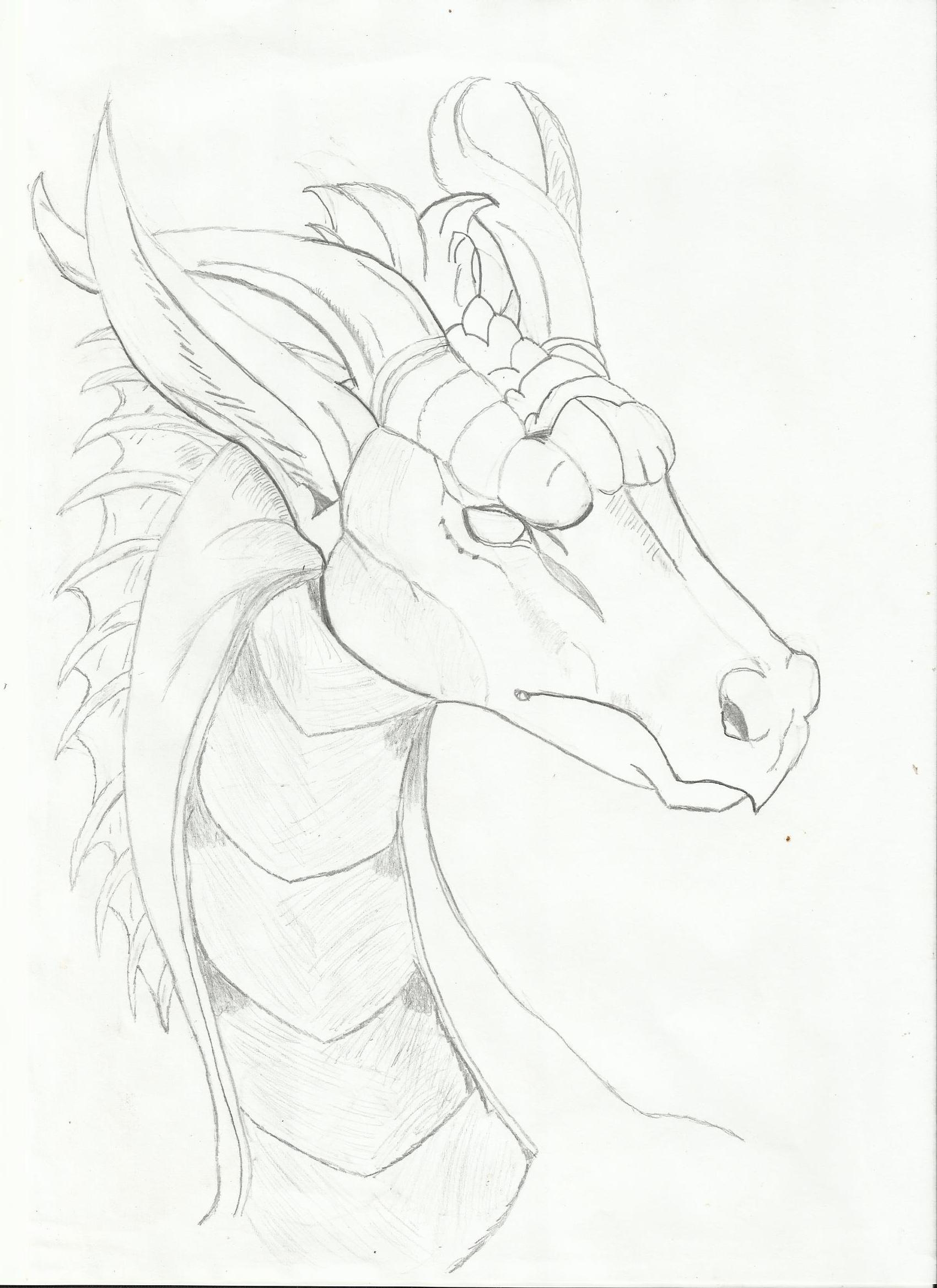
Which is your favourite type of dragon from any culture, folklore or mythology?

Post image
38 Upvotes

This is my first attempt at drawing a dragon, which I tried to make look like a sea serpent. I've always loved dragons since I was a child and I was curious what types of dragons people particularly like the best.


r/FolkloreAndMythology • • 4d ago

Building the pilot for a Balkan folk-horror 2D animated anthology. What are the creepiest local myths or unexplained encounters from your region?

5 Upvotes

Hey everyone!

I’m a 2D animator currently in pre-production on a horror anthology mini-series (self-contained \~5-minute episodes) rooted in Balkan folklore, urban legends, and regional myths. Right now, I’m developing the pilot episode and putting together the project bible with the goal of pitching the series to studios and producers.

Because the best folk horror comes from oral traditions rather than textbook summaries, I’d love to hear from people across the peninsula as part of my research:

What are the creepiest or most fascinating Balkan myths, creatures, or local legends from your country/region?

Do you or someone in your family have an "unexplained" experience or eerie encounter tied to any of these creatures or old superstitions?

My goal is to capture the authentic atmosphere, cultural nuances, and psychological dread of these stories so the series stands out from generic monster tropes. Your stories, regional variations, and family anecdotes will be a huge help in shaping the tone and direction of the pilot and future episode concepts!

Thanks in advance I’d love to read whatever you’re willing to share!


r/FolkloreAndMythology • • 4d ago

The Fly and the Cat

10 Upvotes

Eecha was a young fly. She never stayed in one place, and to her the world was magical wherever she looked. Black with silver-grey wings, she sparkled like a black pearl set in silver. She flew about, curious, exploring everything she came upon.

One day, near Devi Amma's temple courtyard, she noticed a tuft of gold coiled up in the sun. She went closer — and saw the most beautiful thing she had ever seen. It was Chami, the tomcat.

At first she only watched from the wall. His golden coat with its darker stripes, his white chin, his moist pink nose. His ears were large, a little too large for his head, and they turned at every sound. Most of all she was lost in his amber eyes, always half-closed, as if nothing in the world was worth opening them for. When his tail, ringed in cream and gold, waved, she could watch for hours and hardly notice the time going by. Every blink, every twitch of his lip — she noticed them all.

But she loved him more when he was awake. Then he was the adventurer, the explorer, and she followed him wherever he went. She followed him on his patrol around the temple, when he jumped across the hedge, and when he sat watching by the steps of the temple pond. But Chami loved to nap, and wherever he got comfortable, he drifted off to sleep.

Eecha grew impatient waiting for him to wake. One morning she dashed down from the wall, made a small circle at his ear, and dashed back, her wings trembling. He did not stir. The next day she went again, and the next. Then one day his ear flicked, and he rose and stretched. Eecha was delighted.

Unable to nap in peace, Chami grew tired. He often slipped away to some quieter corner. This bothered Eecha. She had been near him for so long now; he was the closest thing to her in this world. She looked at him for a long while from the wall. Then she landed on him.

The tummy first. Then the ears. If he still did not stir, she landed on his nose. That always worked.

Chami would wake with a start, only to see a black fly dash off. That was how he began to notice the flies around him. From then on he waved his paw to shoo Eecha away. Eecha enjoyed the closeness. She spent most of her time on him now, often playing hide and seek — though Chami did not know any game was being played.

Chami had had enough. The flies gave him no rest. Eecha, for her part, was having the best days of her life. There was a reason she was silver and he was gold, she thought.

One day she sat beside him, looking at his face deep in a nap, admiring the long whiskers as they stirred in the breeze.

Chami's paw came down.

Her tiny body was carried away by the breeze.

Many seasons passed.

One day Chami woke to the familiar tickling at his nose. He sat up to find the fly. There was none. Instead he saw a young cat — black and grey — walking past.

He rose, tail held high, and followed her.


r/FolkloreAndMythology • • 4d ago

This little fella should get his own movie, what do you think?

Thumbnail
gallery
60 Upvotes

For context, this is the Tokoloshe of Zulu mythology. It's a goblin-like creature, usually created from corpses and graveyard soil by a practitioner of dark magic to do their biddings. It is a mischievous little bugger and causes all sorts of havoc from harmless (if meanspirited) tricks to far more serious offenses like assault or death. Thing is? It's still widely believed to exist in South Africa and is commonly blamed for anything bad.

I could personally see it being the antagonist of a Gremlins or Ghoulies type of film and can be lended really well to dark humor given its whole shtick to cause varying levels of mayhem. There already is a movie, I believe, but it looks/sounds like a pretty generic horror flick. In fact, the titular monster looked like your bog standard creepypasta rake thing!


r/FolkloreAndMythology • • 5d ago

What is your experience with Folklore, a story passed down by a relative to a well known community legend?

Thumbnail reddit.com
3 Upvotes

please share a story of mystery and intrigue. Weather it's a well known phenomena or entirely new!


r/FolkloreAndMythology • • 5d ago

Looking for sources on non-western magical traditions

Thumbnail reddit.com
1 Upvotes

r/FolkloreAndMythology • • 5d ago

Canaanite Mythology - God Genaology - Complete

Thumbnail
gallery
32 Upvotes

As some of you might have seen on this subreddit, I have been attempting to retell Canaanite Mythology. During my attempts to piece the entire Cosmology together into one cohesive and concise canon, I have pieced together a Genaology of the deities and early humanity, as mentioned in Sanchuniathon's account, along with details from the Ugaritic sources and other miscellaneous sources. I have decided to post the full Genaological tree to hopefully cast a better light on the Mythology and help people understand it more with less difficulty.

I have created a colour-coded graph in order to help separate the Primordial Deities, from El's Council and from the early humans. If you're not a fan of the colour-coding, I have added a black and white version. I have also included separate images for each Genaology to help separate them better.

If you have not seen my previous posts, you can see my reconstruction of the Canaanite Creation Myth here: https://www.reddit.com/r/FolkloreAndMythology/comments/1s93q9w/my_own_reconstruction_of_the_canaanite_creation/

You can see my first part of my recreation of the Baal Cycle here: https://www.reddit.com/r/FolkloreAndMythology/comments/1xyyskf/my_retelling_and_reconstruction_of_the_baal_cycle/


r/FolkloreAndMythology • • 5d ago

I’m Turning an English Folktale Into a Short Film — Would Love Your Thoughts on the Trailer

Thumbnail
youtu.be
0 Upvotes

I’ve always loved old folktales, and recently I came across one called “The Small-Tooth Dog” in Folktales of England. I adapted it into a short screenplay and turned it into a short animated film.

Trailer: https://youtu.be/RrXwK-qnr6Y

I wrote the screenplay myself, adapting the original story. The video clips were created using Artlist / Seedance 2.5 Mini. Editing, color correction, and sound design were done in DaVinci Resolve Studio. Music was created with Suno AI, and I used ChatGPT for English and visual assistance.

The screenplay and lyrics are copyrighted by me.

It’s been about two months of work so far, and this is the first in a series where I want to adapt folktales from different countries into short films.

The full film is planned for Thanksgiving weekend.

I’d really appreciate honest feedback on the trailer:

Does it make you want to see the full film?
Is anything confusing, unclear, or distracting?

Happy to answer questions about the process too.