r/MotorBuzz • • 15h ago

30,000 used Chinese cars now advertised in the UK and dealers are starting to notice

Post image
0 Upvotes

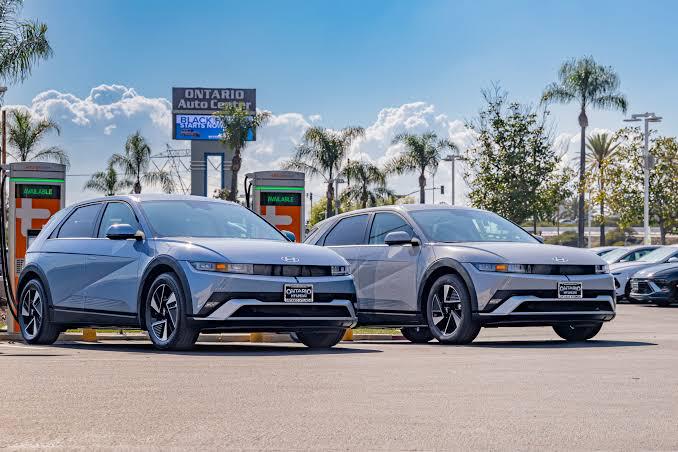
Stock from Chinese brands has jumped 10% in a single month. MG alone has 14,000 cars listed. Near-new values are already slipping.

More than 30,000 used Chinese cars are currently advertised for sale in the UK, according to data from Cazana. That figure only includes vehicles registered from 2022 onwards, sold through retail channels. It does not count wholesale or trade stock. The number rose 10% in October alone.

MG accounts for around 14,000 of those listings. The brand registered over 85,000 new cars in 2025 and is on course to exceed that this year. When you sell that many cars that quickly, a lot of them end up back on forecourts within a couple of years. Some of that is natural churn. Some of it is buyers who thought they wanted an electric SUV discovering they did not.

BYD's trajectory is even sharper. The brand sold just 1,600 cars in the UK in 2023. By 2025, that figure had hit 51,000. There are now close to 4,000 used BYDs listed from 22-plates onwards. That is a lot of nearly new metal competing with showroom cars that come with manufacturer finance and a fresh warranty. We looked at whether the takeover language is justified or panic: China On Track for 'Full-Scale Takeover' of Car Industry

Omoda and Jaecoo launched in the UK in 2024. By the end of October this year, they had recorded 99,494 combined new registrations, more than double the 48,000 they managed in 2025. There are now approximately 1,000 used Omodas and 1,800 Jaecoos advertised. For brands that did not exist here three years ago, that is a rapid accumulation of used stock. One dealer's forecourt struggle shows how rapid that accumulation has been: Chinese brand dealership in Watford blocks pavements with cars as forecourt runs out of space

Chery has registered around 37,000 new cars this year. Around 1,600 of them are already back on the market. Geely has close to 700 used vehicles listed. The pattern holds across the sector. Chinese brands are selling cars faster than the used market can absorb them without consequence.

MotorBuzz covers everything motors | Auctions, motorsport, new launches, market values, odd stories and the occasional argument. Start at the homepage if you're new.

Cazana analysed retail advertisements across ten brands: BYD, Changan, Chery, Geely, GWM, Jaecoo, MG, Omoda, Skywell and Xpeng. The focus was on vehicles registered on 22-plates or newer. The data shows volumes rising every month so far in 2026.

Retail values of 25-plate vehicles fell by approximately 0.5% during the first three weeks of November across MG, BYD, Changan, Chery and Jaecoo. That is not a collapse, but it is a signal. Around 6,000 MGs, 3,500 BYDs and 1,700 Jaecoos are advertised on 25-plates or newer. These are cars that left the showroom within the last eighteen months.

The problem for dealers is straightforward. A nearly new Chinese car competes directly with a brand new one, and the new one often wins because the finance is better and the warranty is longer. That squeezes margins on used stock. If you are sitting on a 24-plate BYD Seal with 8,000 miles, you are not competing with other used Seals. You are competing with a showroom Seal on a PCP deal that costs less per month.

MG returned to the UK market in 2007. It took years to build volume. The current wave of Chinese brands has collapsed that timeline. They have gone from zero to tens of thousands of registrations in two or three years. The used market has not caught up. It may not catch up at all if the new car volume keeps rising at this rate.

The 0.5% drop in November is mild. It could stabilise. Or it could be the start of a longer correction as the volume of nearly new Chinese stock continues to rise and buyers realise they can wait a few months and save several thousand pounds.

Sources: Cazana, UK new car registration data

r/MotorBuzz • • 15h ago

BYD banned from selling Defender clone in EU after losing Dutch court case

Post image
53 Upvotes

A European court has ruled BYD's Ti7 SUV infringes Land Rover's design rights, blocking sales across the entire EU including at its new Hungarian factory.

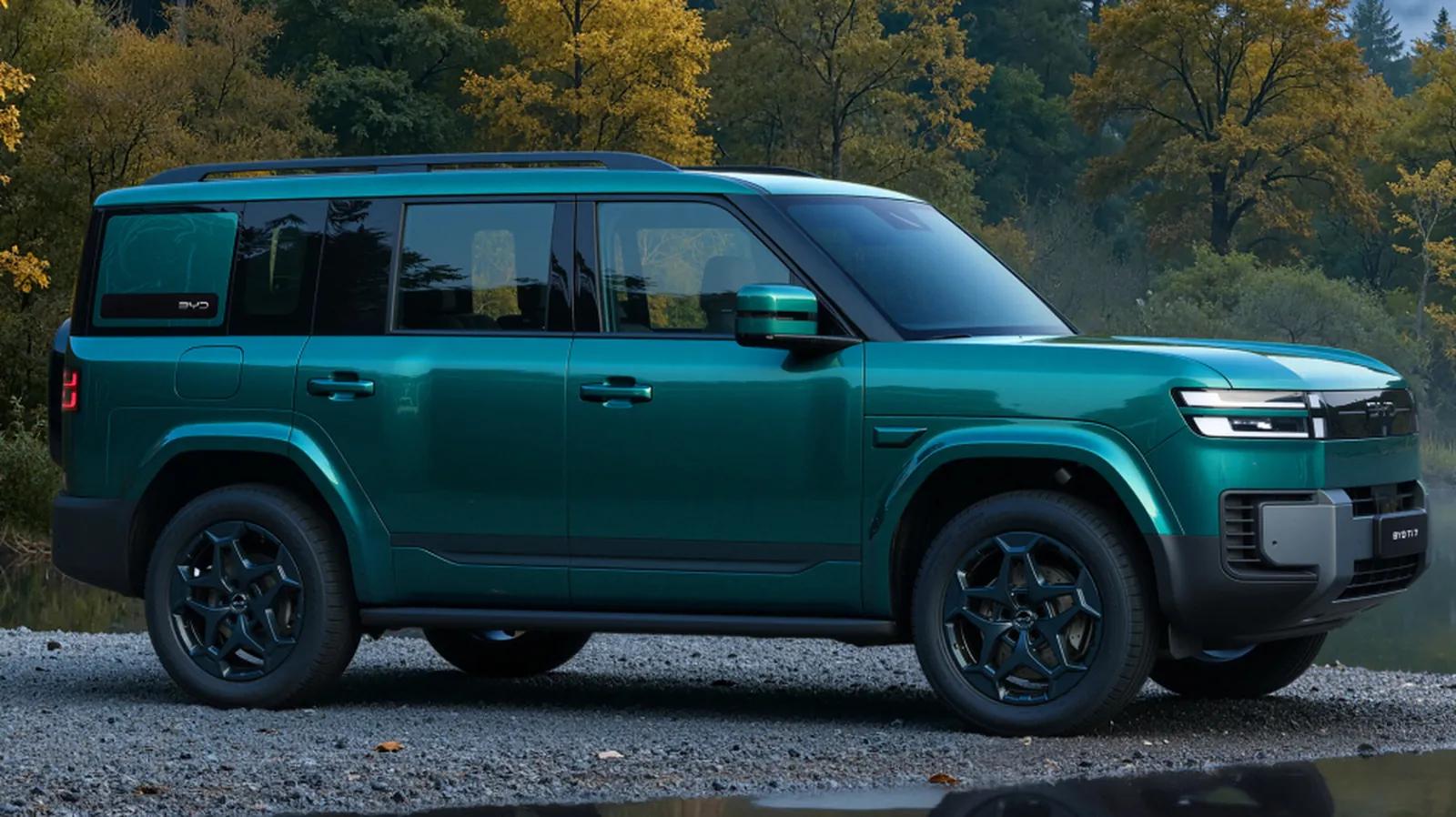
BYD is now banned from selling its Ti7 SUV anywhere in the European Union after a Dutch court ruled the vehicle copies the Land Rover Defender too closely. The injunction prevents the Chinese manufacturer from building the model at its new Hungarian production facility or offering it for sale in any EU country until the design is comprehensively changed.

The Ti7, sold as the Fang Cheng Bao Tai 7 in China, undercuts the Defender by roughly £20,000. That price gap won't help it now. The full story behind that court ruling is here: A Dutch judge says BYD's Ti7 is too much Defender. BYD says it drew it itself

The court found that the Ti7's design infringes on Jaguar Land Rover's intellectual property rights, specifically the Defender's bulbous shoulders, rounded corner detailing, signature panel work, cut-out wheel arches, continuous window line, and overall proportions. BYD argued that differences in lights, grille, bonnet and other details created sufficient differentiation. The court disagreed.

Earlier this year, JLR took BYD to court in the Netherlands. As part of the proceedings, bailiffs raided BYD's Dutch offices on JLR's behalf to seize internal documentation. A subsequent court order required JLR to destroy those files, though the original injunction stands.

This isn't JLR's first successful action against a Chinese manufacturer. In 2016, the company took Jiangling Motors Corporation to court over the Landwind X7, which bore an uncomfortable resemblance to the Range Rover Evoque, and won. The pattern is established: JLR will pursue lookalikes through the courts, and European judges are willing to side with them when the similarity is blatant enough.

MotorBuzz covers everything motors | Auctions, motorsport, new launches, market values, odd stories and the occasional argument. Start at the homepage if you're new.

What makes this ruling particularly significant is the timing. BYD has been building a major manufacturing presence in Europe, with a new factory in Hungary intended to serve the entire EU market. The Ti7 was expected to be part of that lineup. Now it cannot be, at least not in its current form, which leaves BYD with an expensive production facility and one fewer product to justify it.

The injunction does not extend to the United Kingdom, which is no longer bound by EU court rulings. BYD could theoretically sell the Ti7 there, though whether it will bother with a single-market launch for a vehicle that has just been declared a Defender knockoff in legal proceedings is another question entirely.

The Ti7 is a three-row hybrid powered by a 1.5-litre inline-four that produces 402 horsepower. JLR offers the Defender with inline-six and V8 engines. The powertrains are different. The silhouette, apparently, is not different enough.

Interestingly, JLR has not taken similar action against Chery's Jaecoo 7, despite that vehicle bearing a strong resemblance to both the Evoque and the Velar. It has been widely referred to as the "Temu Range Rover." Perhaps JLR is picking its battles. Perhaps the Jaecoo 7 falls just the right side of the line. Or perhaps another lawsuit is simply being prepared.

BYD now has two options: redesign the Ti7 sufficiently to satisfy European IP law, or write off the EU market for this particular model. Given the investment already sunk into European expansion, a redesign seems more likely. How long that takes, and whether the result will still undercut the Defender by £20,000, remains to be seen.

Sources: Court ruling reported via automotive trade press; JLR corporate statements; BYD product specifications


r/MotorBuzz • • 15h ago

Used electric cars are selling in 24 days while dealers fight YouTube conspiracy theories about range

Post image
8 Upvotes

EVs are flying off forecourts faster than petrol or diesel, but customers are arriving convinced uphill driving will kill 80 miles of range in minutes.

Used electric cars sold in an average of 24 days in November. Petrol models took 31 days. Diesels took 36. That's according to Autotrader, and it represents a market reality that sits badly with the customer walking into James Baggott's dealership convinced a Nissan Leaf will lose 69 miles of range the moment it encounters an incline.

Baggott runs an independent dealership in Gosport, Hampshire. He's also the founder of Car Dealer magazine, which means he sees the used car market from both sides. EVs have become some of the fastest-selling stock on his forecourt. They also attract the most bewildering objections.

One customer was about to buy a Nissan Leaf when he watched a YouTube video claiming the car's range would drop from 80 miles to 11 miles when driving uphill. He nearly cancelled the purchase. The video existed. The physics did not.

Another customer, a woman in her late seventies, was looking for a small automatic around £7,000. Baggott suggested a Nissan Leaf. It fit the brief precisely. Her son talked her out of it. No specific reason given, just a general sense that electric cars were not for people like his mother. The car he vetoed had covered nearly 90,000 miles and still had 87 per cent battery health. It would have outlasted anything else in that price range by a decade.

The gap between what customers believe about EVs and what the cars actually do has become a problem with commercial consequences. Not for the market, which is moving used electric cars faster than anything else. For the customers, who are walking away from cheaper running costs and better reliability because someone on the internet told them the battery would catch fire in a Tesco car park.

MotorBuzz covers everything motors | Auctions, motorsport, new launches, market values, odd stories and the occasional argument. Start at the homepage if you're new.

Then there's the Peugeot e-208 owner who spent several years unaware his car could use public rapid chargers. He believed a journey from Leeds to Gosport would take 36 hours because he thought the car could only be charged at home. He had never removed the lower plastic cover on the charging port to reveal the CCS rapid-charging connection pins underneath. He'd been driving a car capable of adding 80 miles of range in twenty minutes and treating it like a milk float.

This is not a fringe problem. Craig Ford, sales and marketing director at MFL Direct, reports a massive increase in the number of independent dealers buying their first EVs. The cars are selling. Electric vehicles on MFL Direct's platform are achieving an average Autotrader Retail Rating of 80, which is strong. But the conversations happening on forecourts suggest a information environment so polluted with nonsense that customers are arriving pre-convinced their new car will strand them on the M6 or explode in their driveway.

Electric and hybrid cars now account for nine of Britain's ten fastest-selling used models. The Hyundai Kona Electric tops the rankings at 17 days to sell. That's a week faster than the average EV, which is itself a week faster than petrol. The market has decided. A chunk of the customer base has not.

Some of this is generational caution. Some of it is the residue of early EV limitations that no longer apply. Some of it is active misinformation, often financially motivated, sometimes just algorithmically amplified confusion. The result is the same: people talking themselves out of a better deal because they've been told something that isn't true by someone who sounds confident.

The BVRLA now offers free EV training for dealers. That's helpful for the transaction itself, less so for the YouTube video the customer watched the night before. Baggott's customer with the solar panels, the one making £2,500 a year selling electricity back to the grid, bought the Leaf. She understood the numbers. She also understood that a car you can fuel at home for less than a tenner a week is not a risk, it's a hedge against everything else getting more expensive.

The woman in her seventies did not buy the car. Her son's vague unease outweighed the dealer's specific advice and the car's documented reliability. She's still looking for a small automatic around £7,000, except now the good ones are gone and what's left costs more to run and will need more repairs. The Nissan Leaf sold anyway. It took 24 days.

Sources: Autotrader, Car Dealer Magazine, MFL Direct, BVRLA


r/MotorBuzz • • 15h ago

Pentagon asks Ford and GM to build drone parts because the military has run out of capacity

Post image
2 Upvotes

The Department of Defense is in talks with General Motors and Ford about supplying components for military drones after current manufacturers admitted they cannot keep up with orders.

The Pentagon has approached General Motors and Ford about manufacturing drone parts after admitting that existing suppliers cannot produce enough units to meet Department of Defense orders. The talks, first reported by the Wall Street Journal, involve automakers potentially supplying components to drone manufacturers rather than building complete aircraft themselves.

GM is considering whether to manufacture drone motors. The size in question is closer to what powers a riding lawn mower than anything you would find in a car.

That detail tells you everything about how this is being framed. This is not about retooling a Chevrolet plant to build Reaper drones. It is about whether the automotive supply chain, which exists at a scale military contractors cannot match, can be redirected to produce small electric motors and structural components. The assumption appears to be that if you can make millions of power window motors a year, you can probably make drone motors too.

Defense officials have also met with Ford and Canadian parts giant Magna International, among others. The response from automakers has been what the Journal describes as "mixed," which in diplomatic terms means some are interested and some are not. Another way the government could upend Ford and Magna's business: Trump's 50% Tariff Threat Could Shut Down Half the North American Car Industry

The underlying issue is straightforward. U.S. drone production has not scaled to match military demand. The Ukraine conflict demonstrated what happens when you need thousands of drones rather than dozens, and the Pentagon watched that lesson play out in real time. Now it wants domestic manufacturing capacity that can ramp quickly, and the only industrial base in the United States with that kind of volume capability is automotive.

MotorBuzz covers everything motors | Auctions, motorsport, new launches, market values, odd stories and the occasional argument. Start at the homepage if you're new.

Whether Ford or GM actually commit to this depends on factors that have nothing to do with patriotism. Military contracts come with overhead. They require separate production lines, security clearances, compliance regimes, and long certification processes. They also tend to be lucrative once you are inside the system, but getting there is expensive.

Auto companies are not exactly swimming in spare capacity right now. GM is trying to figure out what to do with several factories that currently build vehicles nobody is buying in the numbers projected. Ford is in the middle of a painful EV reckoning. Retooling part of that capacity for defense work might make sense if the contracts are big enough and the margins are there, but it is not an obvious yes.

The Trump administration has made it clear that hard military power is back as a priority, which means procurement budgets are likely to grow. That makes this more than a one-off ask. If the Pentagon is serious about domestic drone production at scale, it will need to offer terms that make it worth the automakers' time.

Magna is a more natural fit. It already supplies components to dozens of manufacturers and operates on a contract basis. Adding military drone parts to that mix is a smaller leap than it would be for a full-vehicle OEM. Ford and GM, on the other hand, would be doing this because someone asked them to, not because it fits neatly into their existing business model.

The alternative is that U.S. drone production stays where it is, undersupplied and unable to scale, while competitors figure out how to build thousands of units cheaply. The Pentagon clearly thinks that is unacceptable. Whether the automakers agree is another question.

GM has not confirmed it will take the contract. Neither has Ford. But the fact that the meetings are happening at all suggests the Department of Defense is not confident the current system can deliver what it needs.

Sources: Wall Street Journal


r/MotorBuzz • • 15h ago

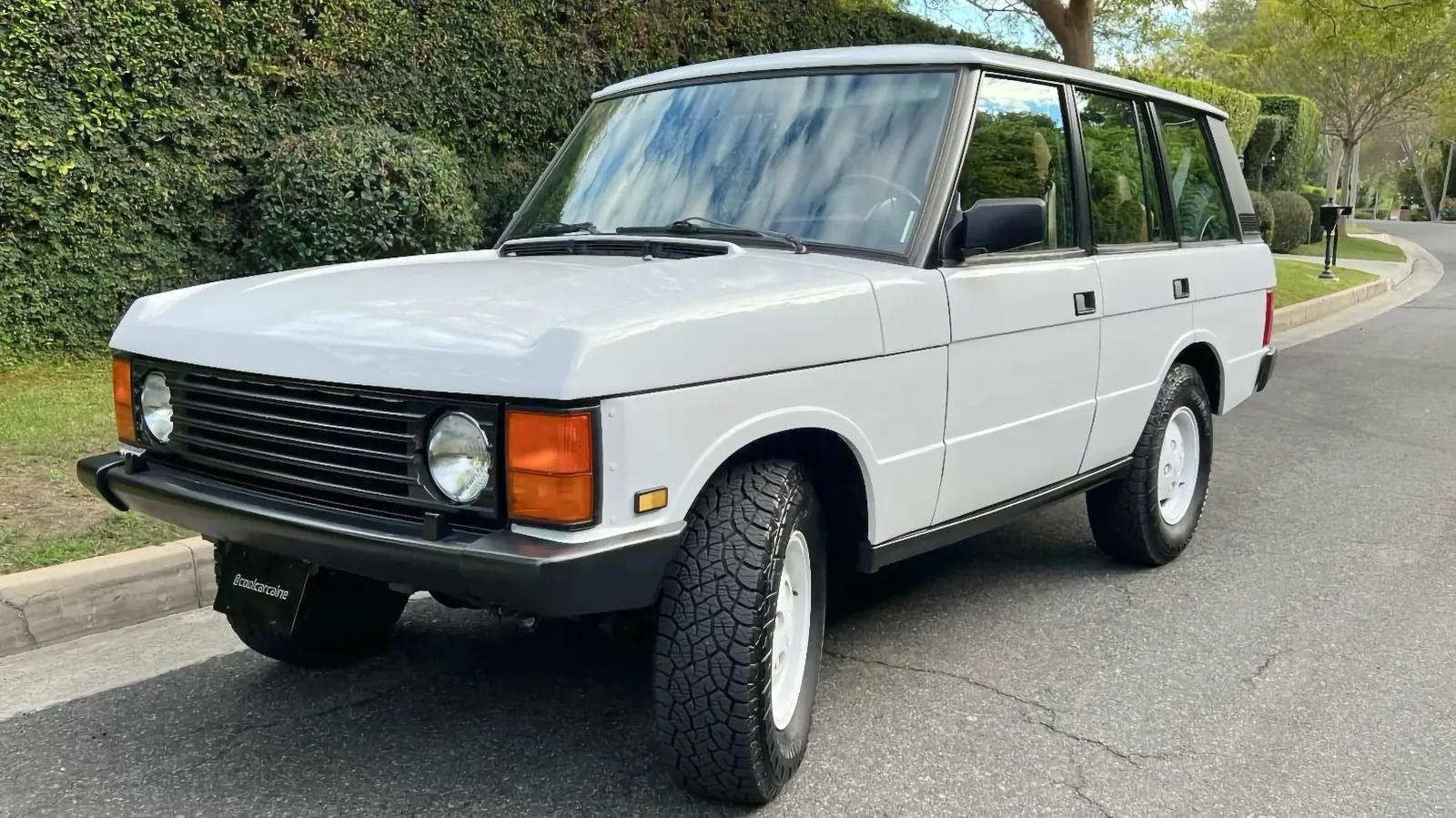
Someone Wants $28,850 for a 1989 Range Rover That Isn't Quite Restored

Post image
3 Upvotes

A white 1989 Range Rover with 83,232 miles and questionable restoration work is asking nearly thirty grand in Los Angeles. The price assumes you won't look too closely at the carpets.

A 1989 Range Rover listed on Craigslist in Los Angeles is asking $28,850. The seller calls it fully restored. The dyed leather and lumpy carpeting suggest otherwise.

Eighty-three thousand miles on the clock. White paint over white three-spoke alloys. All the badges removed except the ones on the wheel centres. The body's been drilled and capped at each corner outside the light clusters, which is exactly the sort of modification that makes you wonder what problem the seller was solving and whether they solved it properly.

Under the bonnet sits the 3.9-litre Lucas fuel-injected V8, the Rover engine that started life as a Buick all-aluminium unit decades earlier. Factory spec claims 178 horsepower and 298 pound-feet of torque, which was adequate in 1989 and feels quaint now. ZF four-speed automatic. Borg Warner two-speed transfer case. The mechanical spec that made the Range Rover competent in the dirt and tolerable on the road, assuming everything still works.

The interior tells a different story than the word "restored" implies. The driver's seat shows crazing in the side bolster where someone's tried to hide it with leather dye. The parking brake boot is torn. The carpeting looks like it was fitted by someone who'd never fitted carpeting before. These aren't deal-breakers on a thirty-five-year-old 4x4, but they are deal-qualifiers when the ask is nearly twenty-nine grand.

MotorBuzz covers everything motors | Auctions, motorsport, new launches, market values, odd stories and the occasional argument. Start at the homepage if you're new.

The Range Rover arrived in North America in 1987, sixteen years after its 1971 debut. Development started in 1957 under the internal code name Road Rover, which tells you how long Land Rover spent figuring out what a luxury off-roader should be. By the time the Eighties examples landed stateside, the concept was proven. The execution remained questionable.

These trucks spent the Nineties and Noughties in the depreciation basement. Mechanically fragile, electrically suspect, and expensive to fix when either system failed. You could pick one up for a few thousand and spend the next decade feeding it parts. Some people did exactly that and loved every minute. Most people bought a Toyota.

Now the market's shifted. Spectacular Range Rover Classics go for forty-three grand or more, roughly half again what this seller wants. Those examples deserve the money. Fully sorted mechanicals, interiors that don't look like someone attacked them with a staple gun and a bucket of dye, paint that wasn't applied in a mate's garage.

This one sits somewhere in the middle. Clean title. Presentable from ten feet. The kind of restoration work that probably cost someone real money but didn't quite get there. Whether twenty-eight and change is fair depends entirely on what you think you're buying. If it's a sorted driver that won't strand you, maybe. If it's a project dressed up as a finished truck, absolutely not.

The Porsche 928 lives in the same valuation purgatory. Once worthless, now climbing, with a wide gap between honest examples and ones tarted up for a quick sale. The difference is the 928 won't leak oil on your driveway while also leaking coolant into the footwell. The Range Rover might do both on the same Tuesday.

$28,850 for 83,232 miles and dyed leather in Los Angeles.

Sources: Craigslist Los Angeles


r/MotorBuzz • • 15h ago

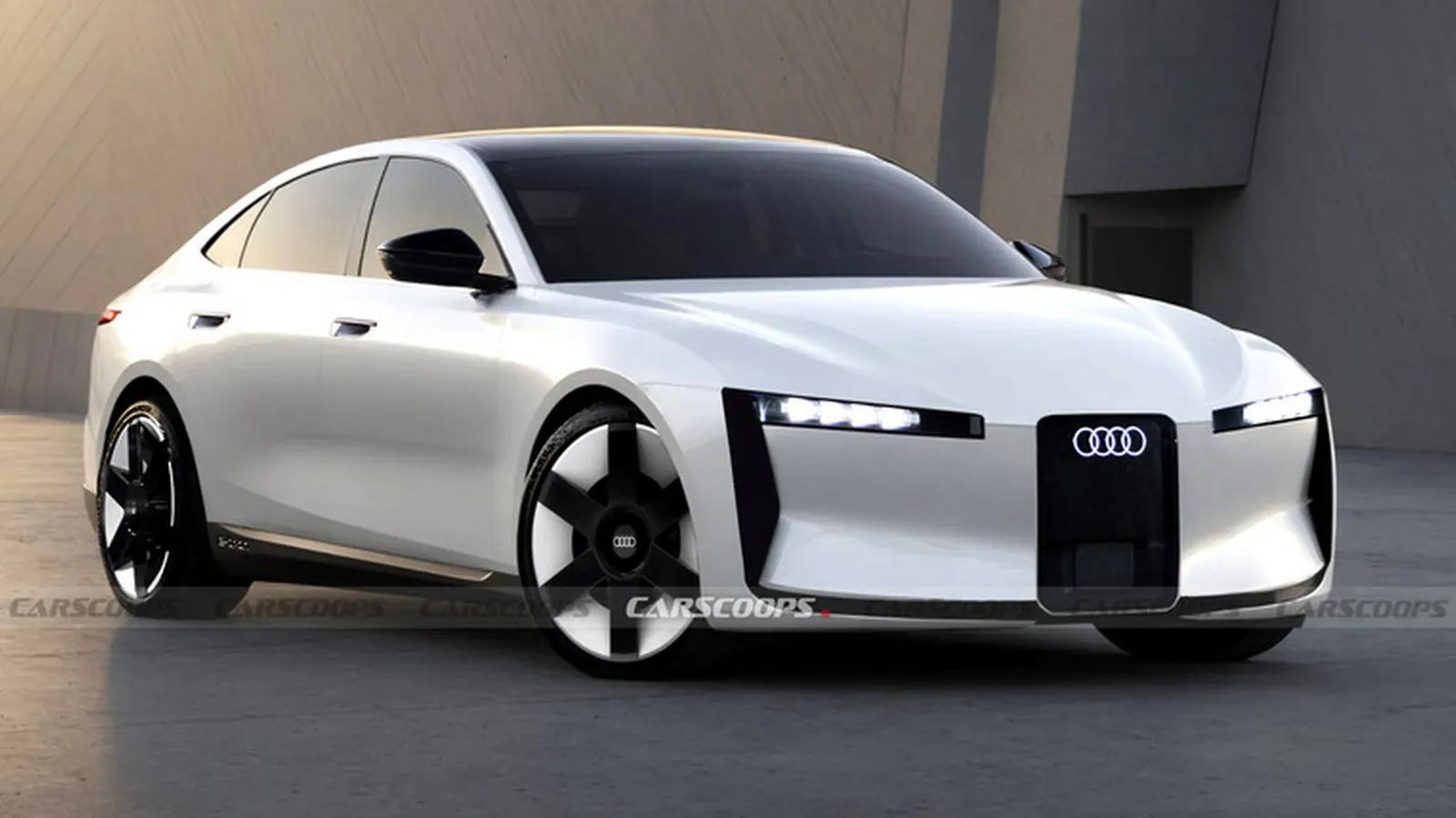
Audi's electric A4 delayed to 2029 after engineers decide a flat floor isn't premium enough

Post image
58 Upvotes

By the time Audi's electric saloon arrives, BMW and Mercedes will be selling mid-life refreshes and China will probably have solid-state batteries in production.

Audi's electric A4 rival, originally scheduled for 2028, has slipped to 2029 at the earliest. The delay isn't about batteries or supply chains. It's about footwells.

Engineers decided that a flat floor, the kind that every other EV on the planet uses to maximise interior space and simplify packaging, wasn't quite right for a premium saloon. Individual footwells for front and rear passengers were deemed essential. That meant repositioning the battery pack. And once you're doing that, you might as well switch from a 12-volt to a 48-volt electrical system while you're at it.

Which is what they did. And that forced Volkswagen Group and Rivian, who are collaborating on the new electronic architecture, to rework significant portions of the platform. The result is a car that will now launch at least a year later than planned. Volkswagen Group isn't alone in cutting deep: Porsche plans to cut 9,000 jobs as premium carmakers finally feel the squeeze

The electric A4 is supposed to use Volkswagen Group's Scalable Systems Platform, the SSP architecture that was announced in 2021 and was meant to be ready this year. It features 800-volt charging, which is excellent, and software from Cariad, which has been less excellent. Cariad's struggles are well documented. The SSP platform has not materialised on schedule.

By 2029, BMW's i3 saloon and Mercedes-Benz's electric C-Class will be approaching their mid-life updates. Audi will be arriving late to a segment it helped define with the original A4 in 1994. That's not a great look.

MotorBuzz covers everything motors | Auctions, motorsport, new launches, market values, odd stories and the occasional argument. Start at the homepage if you're new.

The design changes go beyond footwells. The Concept C shown last year and the Nuvolari supercar preview a new front fascia with a small vertical blacked-out grille and slim LED headlights. It's meant to signal a break from Audi's current EV styling, as seen on the Q4 E-Tron and Q6 E-Tron. Whether it works remains to be seen, but at least it looks intentional.

SSP will debut under an all-electric VW T-Roc and a new electric Golf before the A4 arrives. Skoda will use it for a next-generation electric SUV to replace the Enyaq. The platform is designed to underpin the entire Volkswagen Group EV lineup from 2026 onwards, which makes the delays more troubling. If SSP isn't ready, nothing that depends on it is ready either.

The 48-volt system is not trivial. It enables faster charging, more efficient energy distribution, and lighter wiring harnesses. It also requires every component in the electrical architecture to be redesigned or replaced. That takes time.

Audi is not the only manufacturer struggling with software and platform delays. Ford has pushed back several EV launches. General Motors has delayed the Silverado EV and Equinox EV multiple times. Jaguar has restarted its entire EV strategy from scratch. The difference is that Audi is supposed to be a technology leader. Falling behind BMW and Mercedes in the executive saloon segment is not part of the brand's self-image.

The other problem is China. By 2029, Chinese manufacturers will have had three more years to refine solid-state battery technology, improve charging infrastructure, and flood European markets with competitively priced EVs. BYD, Nio, and Xpeng are not waiting for Audi to sort out its footwells.

The original A4 launched in 1994 and became one of the most successful premium saloons ever made. The electric version will arrive 35 years later, three years behind schedule, into a market that may no longer care.

Sources: Autocar


r/MotorBuzz • • 15h ago

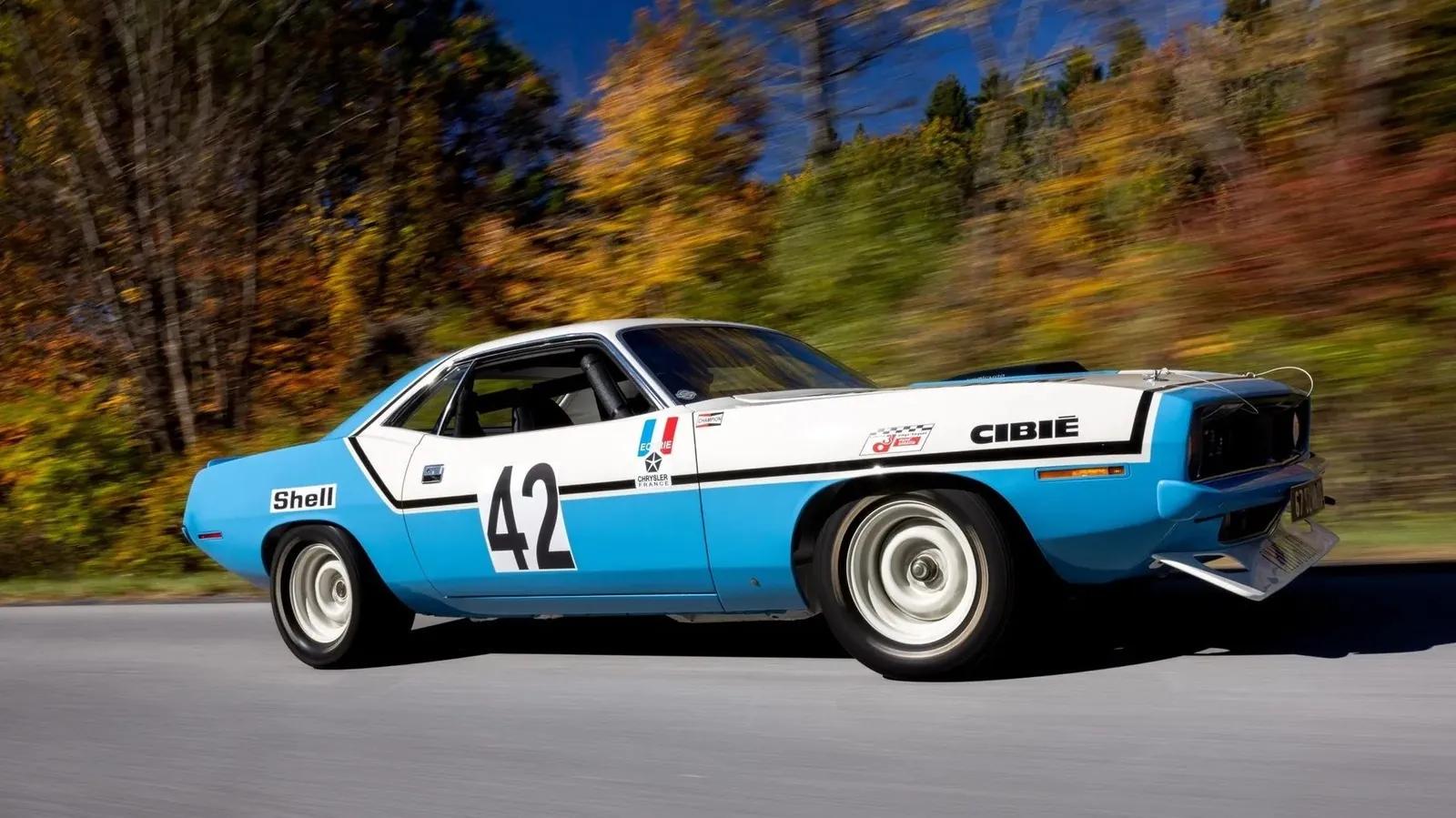
French factory Hemi 'Cuda with 45 race wins is at $110,000 and nobody's quite sure what it's worth

Post image
11 Upvotes

Ecurie Chrysler France's main Group 1 weapon from 1970 to 1974 has three championships and documentation to prove it. It also has a replacement body shell and a price that's nowhere near what that history should command.

A 1970 Plymouth Hemi 'Cuda that served as Ecurie Chrysler France's primary factory racer between 1970 and 1974 is currently sitting at $110,000 on Bring a Trailer. That's roughly what a decent street 'Cuda with 31,000 miles fetched at Mecum last month. This one has 45 Group 1 wins and three FIA championships.

The disconnect is real.

Henri Chemin, Chrysler France's competition director, drove the car to nine wins in its debut 1970 season, then 16 more in 1971 and seven in 1972. Jean-François Mas took over in 1973 and added another 12 victories. Jean-Claude Géral brought it home one last time at a 1974 hillclimb event in Charnizay before the programme wound down. That's 45 documented wins across five seasons, all with factory backing, all logged in period photos and press clippings that come with the car.

So why is the bidding stuck where it is?

The car crashed hard at Brides-Méribel in 1970 after a power steering failure sent it into a ravine. The original body shell was deemed unsalvageable. Chrysler France transplanted the running gear, the 426 Hemi V8, the four-speed manual with Hurst pistol-grip shifter, and all the competition hardware into a replacement E-body sourced from a 440 Six-Pack 'Cuda. The original engine block, replaced during the 1971 season, is included in the sale but not installed.

MotorBuzz covers everything motors | Auctions, motorsport, new launches, market values, odd stories and the occasional argument. Start at the homepage if you're new.

It's a Ship of Theseus problem with real money attached. The mechanicals are period correct. The documentation is extensive. The white-and-blue racing livery is faithful to the original. But the VIN plate belongs to a different car entirely, and that matters when you're asking collectors to treat this as a genuine works machine.

Factory-backed race cars with this kind of provenance usually trade in a different atmosphere. A proper Hemi 'Cuda convertible can cross seven figures without breaking a sweat ... 12 factory rag-tops were built as 1971 models and they're treated accordingly. This car has more competition history than most of those will ever see, but it also has a body shell that never turned a wheel in anger until after the original one hit a ravine.

The sale includes everything you'd want for verification. Photos from period races. A copy of Simca en Compétition, the French racing book that documents Ecurie Chrysler's campaigns. Chemin's own press clippings. The original engine block sitting in a crate. The roll cage, Simpson harnesses, ATL fuel cell, and 15-inch Rally wheels are all as-raced. The Shaker hood and front air dam are still there. It even has the wood-rimmed steering wheel and body-coloured bumpers from its competition days.

What it doesn't have is the original structure tying all of that together.

Standard Hemi 'Cudas in good nick routinely pull six figures at auction, so $110,000 isn't insulting for a car with 58,000 miles shown on the odometer and a 426 under the hood. But it's also not what you'd expect for a machine that won three FIA championships and spent five years as the sharp end of a factory programme. Someone's going to have to decide whether the story is worth more than the metal, and right now the market seems unsure.

The odometer reads 58,000 miles. Most of them were probably covered at full throttle.

Sources: Bring a Trailer, Mecum Auctions


r/MotorBuzz • • 15h ago

Renault Cuts 1,000 Office Jobs While Hiring 2,000 Factory Workers to Build EVs

Post image
82 Upvotes

The French manufacturer is slashing white-collar positions and ramping up assembly line hiring for electric vehicle production in a transformation driven by Chinese competition and market pressure.

Renault is cutting up to 1,000 office jobs while creating 2,000 new factory positions for electric vehicle production at its French plants, a restructuring expected to complete by 2028 that makes explicit where the company thinks its survival depends.

The 2,000 new roles are entirely blue-collar. 1,650 will go to skilled workers in assembly, 250 to production support, and 100 to training programmes. All of them are for building electric vehicles, specifically models like the R5 and Scenic that Renault is now producing in volume. Extra shifts are currently being covered by temporary workers, which explains why the hiring timeline stretches four years.

The 1,000 office jobs disappearing are white-collar positions being eliminated through voluntary severance packages, not redundancies. That's the polite version of what happens when a car company decides it has too many people writing reports and not enough people bolting battery packs into chassis.

Renault has been shielded from the worst of the European market downturn by strong commercial van sales and decent EV numbers, but the pressure is there. At October's Paris auto show, one-third of the exhibitors were Chinese, an increase over 2024. Mercedes froze investment in German factories last week after reaching a stalemate with unions over working hours. BMW shed 8,000 roles earlier this year while handing out 'Turbo Bonus' payments to remaining employees, which is one way of describing a bribe to stay quiet during cuts.

MotorBuzz covers everything motors | Auctions, motorsport, new launches, market values, odd stories and the occasional argument. Start at the homepage if you're new.

What Renault is doing is clearer than what most manufacturers are willing to say out loud. The company needs more people building electric cars and fewer people sitting in offices managing a business model that no longer exists in the same form. The R5 has been well received. The Scenic is competitive. Both are EVs, and both need workers who can assemble battery-electric drivetrains at scale, not another layer of management overseeing a shrinking diesel and petrol portfolio.

The plans still need union approval, which in France is not a formality. But the structure of the deal makes the politics easier than a straight job-cutting exercise. Renault is creating more roles than it is eliminating, even if the people losing their jobs are not the same people getting the new ones.

Thierry Charvet, Renault's Head of Production, is overseeing the transformation. The timeline running to 2028 suggests Renault is not panicking, but it is also not pretending the shift to electric is optional or reversible. The temporary workers currently covering the extra shifts will either become permanent hires or be replaced by the newly trained assembly staff as the programme rolls out.

This is what restructuring looks like when a European car manufacturer is still making money and still has time to manage the transition. It is also what happens when Chinese competitors force the pace and legacy manufacturers realise that the old staffing models do not map onto the new product mix.

The voluntary severance route for office job losses avoids the worst of the political optics, but it does not change the underlying reality. Renault has decided it needs fewer administrators and more assemblers, and it is willing to spend money retraining and hiring to get there. That is a bet on volume EV production in France, which is either confidence or necessity depending on how the next four years play out.

2,000 new factory jobs by 2028, all of them for electric vehicle assembly.

Sources: Renault official announcement


r/MotorBuzz • • 15h ago

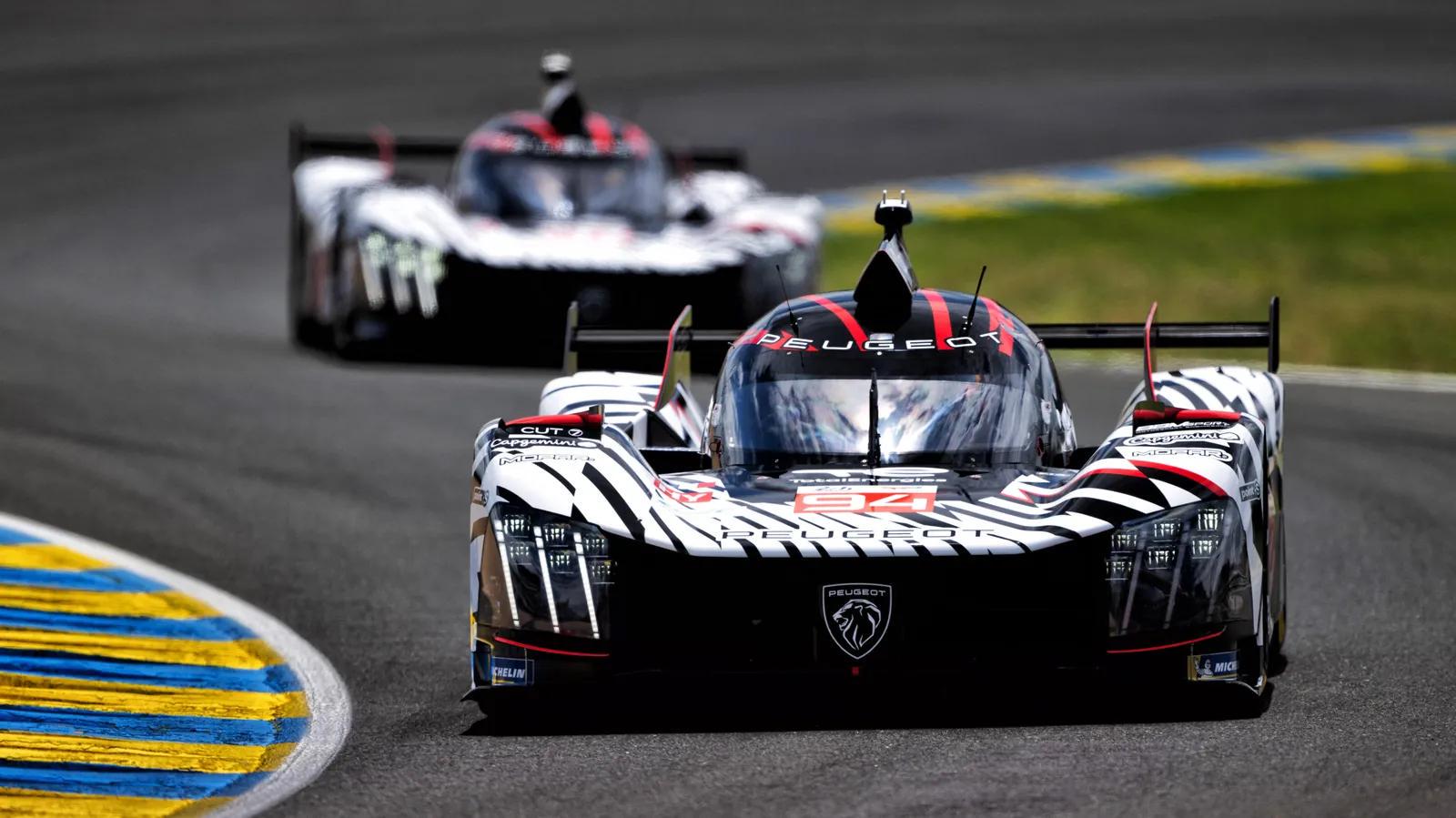
Stellantis pulls the plug on nearly all factory racing, chasing $6.6 billion in savings

Post image
9 Upvotes

Peugeot's Le Mans programme is dead. Formula E gets one season then it's over. Only NASCAR survives the cull.

Stellantis confirmed on Monday it's shutting down nearly every factory motorsport programme it runs, including Peugeot's World Endurance Championship effort and both Formula E teams. CEO Antonio Filosa wants $6.6 billion in cost savings by 2028, and racing is apparently where he's starting.

The only thing that survived is NASCAR. Dodge and Ram programmes in North America keep going. Everything else is getting binned. The full scale of the financial damage became clear this week: Stellantis Posts First Annual Loss Since 2021. The Bill: €22 Billion.

Peugeot had an updated 9X8 prototype ready for next year's WEC season. Testing had already started. The car won't race. Five years in LMH, not a single race win, not a single Le Mans podium, and now it's over before the new car gets a chance to prove whether the redesign fixed anything.

With Alpine already gone, there will be no French manufacturer in the top class at the 2027 24 Hours of Le Mans. That's the first time that's happened in decades.

Formula E gets a stay of execution, sort of. Citroën and Opel will contest the upcoming Gen4 season with new 800-horsepower cars they developed together specifically for this debut campaign. Then the programme ends. One season with brand new machinery and that's it.

MotorBuzz covers everything motors | Auctions, motorsport, new launches, market values, odd stories and the occasional argument. Start at the homepage if you're new.

Lancia's WRC2 programme lasted exactly one season. The Ypsilon Rally2 HF Integrale ran its maiden year this year. Stellantis killed it anyway.

The company says it will continue customer racing programmes and redirect resources toward high-performance vehicle development. That's the line you always get when factory programmes get axed. Customer racing means privateer teams can still buy your cars and parts. It also means you're not paying for the engineering, the logistics, the travel, or the salaries.

Peugeot's WEC programme was expensive and unsuccessful, so that one makes a kind of brutal sense. But Formula E teams built entirely new cars for a new ruleset and won't even get to see if the investment pays off. That's the bit that stings.

Stellantis isn't alone in pulling back from motorsport under financial pressure, but the scale here is striking. Almost everything goes except the one market where racing still sells road cars in meaningful numbers. North America gets NASCAR. Everyone else gets customer support and memories.

The 9X8 that never raced stays in the garage. The Gen4 Formula E cars get one season. And Le Mans 2027 runs without a French factory entry for the first time in living memory.

Sources: Stellantis official announcement


r/MotorBuzz • • 15h ago

New York State bans subscription-only car features, threatens $250 fines per sale

Post image
159 Upvotes

Governor Hochul signs law banning hardware paywalls in vehicles from February 2027. BMW's 360-degree camera subscription is exactly the kind of thing New York just outlawed.

New York State just made it illegal to sell a car with heated seats already fitted and then charge a monthly subscription to turn them on. Governor Kathy Hochul signed the bill into law, effective February 27, 2027, with violators facing civil penalties of up to $250 per point-of-sale for each infraction.

The legislation passed through the State Senate 57-3. It targets what Hochul called a "deceptive business model" where manufacturers install hardware in vehicles at the factory and then lock the features behind ongoing subscription fees.

The law is specific. If a feature uses hardware that was already in the car when you bought it or leased it, and that feature doesn't require continual costs or support from the manufacturer or a third party, it cannot be subscription-gated. High-beam assist. Remote start. A 360-degree camera that BMW famously tried to monetise. All covered. We covered the full story of carmakers' subscription push and backlash: The Subscription Hussle: Carmakers Want You to Keep Paying After You Buy

What isn't covered is equally specific. Navigation updates, infotainment features, satellite radio, in-vehicle WiFi, telematics, roadside assistance, any vehicle-connected service that relies on cellular data or other networks, and software-dependent driver assistance features are all exempt. Tesla's Full Self-Driving and GM's Super Cruise fall outside the scope of the ban because they depend on external networks and ongoing software development.

Manufacturers also cannot charge for software updates that fix safety defects. That one's worth noting.

MotorBuzz covers everything motors | Auctions, motorsport, new launches, market values, odd stories and the occasional argument. Start at the homepage if you're new.

The exemptions are broad enough that most of what currently operates as a subscription will continue to do so. The law doesn't touch features that require a live data connection or regular over-the-air updates. It's aimed squarely at the practice of locking away physical capability that's already sitting in the vehicle doing nothing.

Lease or payment plans don't count as subscriptions under the new law. The target is recurring charges for static hardware, not finance structures.

$250 per sale isn't catastrophic for a manufacturer, but it's enough to make the business model unviable if enforcement is consistent. Multiply that across a year of sales in New York and the numbers start to look awkward.

The effective date is February 27, 2027, which gives manufacturers time to adjust their product and pricing strategies. Whether they choose to disable the hardware in New York-bound vehicles, absorb the features into the base price, or challenge the law in court remains to be seen.

BMW's 360-degree camera paywall was cited explicitly in discussions around the bill. It's the kind of example that makes the practice look indefensible. The hardware is there. The cameras are installed. The wiring is done. But the software switch is flipped off until you pay monthly.

New York is the first state to legislate this outright. Other states have floated similar proposals, but none have passed them into law yet. Whether this sets a precedent or remains an outlier depends on how willing other legislatures are to intervene in manufacturer pricing models.

The law takes effect in just over two years.

Sources: New York State Senate, Spectrum News, CBS 6 Albany, Motor1


r/MotorBuzz • • 15h ago

Genesis wants to build a 1,100-horsepower off-road SUV and the product planning boss is already sold

Post image
22 Upvotes

Ash Corson confirmed the Korean luxury brand is studying entry into the overlanding SUV segment following concept vehicle debuts at the LA Auto Show.

Genesis is studying how to build an off-road performance SUV, and the brand's product planning boss has already made his mind up about it. Ash Corson told a roundtable discussion at the LA Auto Show that off-road capability is a "white space" his team is examining closely, following positive reception to two concept vehicles the brand debuted earlier this year.

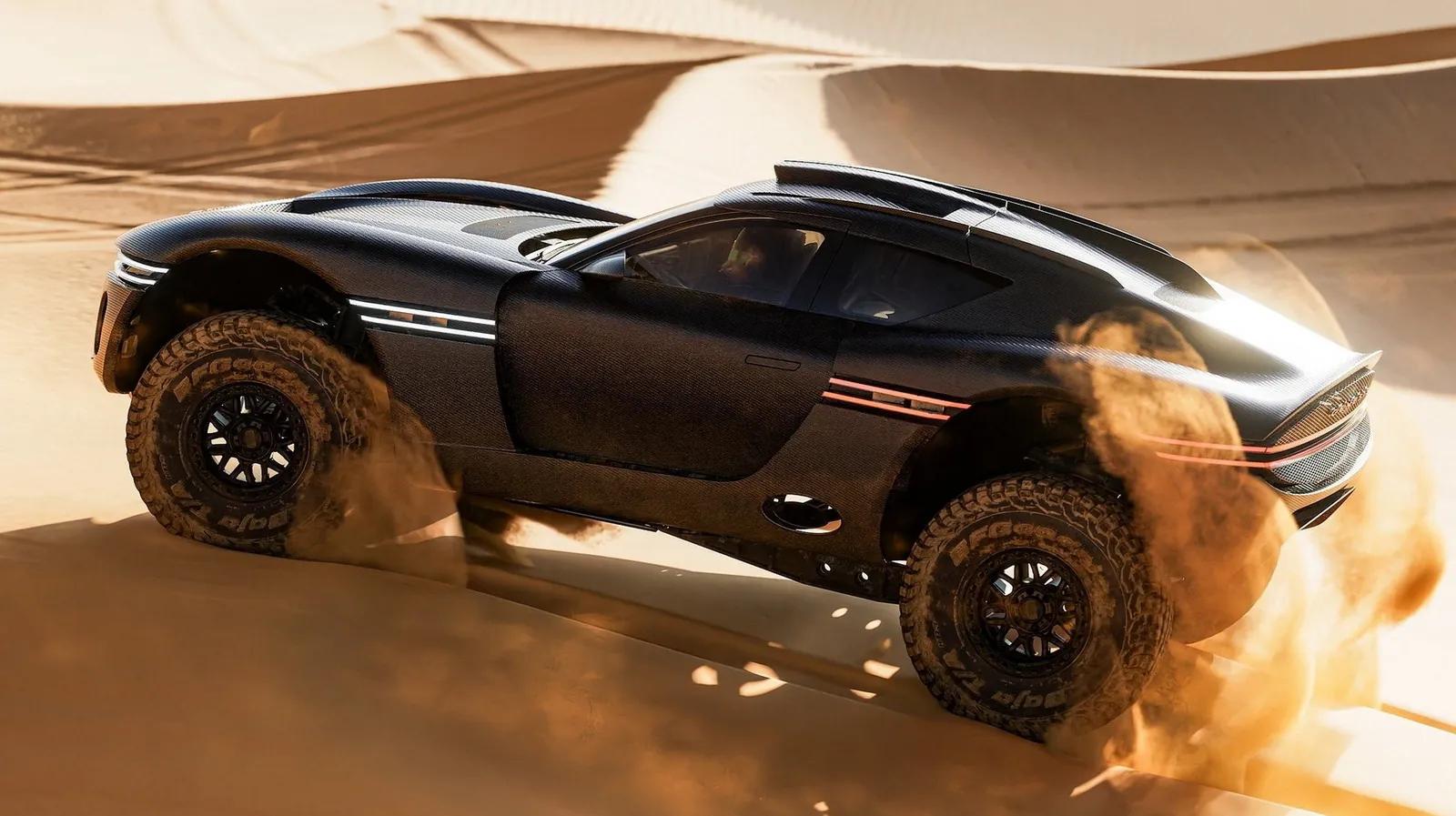
The X Skorpio concept is the more extreme of the two. It had 1,100 horsepower, 40-inch tyres, and an off-road racing suspension setup that would have looked at home on a Baja truck. The Gran Equator, meanwhile, appeared on Hyundai's 2025 investor roadmap as a luxury overlanding platform. It was more composed, more finished-looking. The kind of thing you could imagine actually ordering. Genesis's approach to flagship luxury borrows from a century-old playbook: Genesis is putting Rolls-Royce doors on a Hyundai platform and calling it flagship luxury

Corson's enthusiasm for the category is obvious. He believes properly tuned off-road SUVs can drive well on regular roads, not just dirt tracks. That's the angle Genesis would take if it proceeds. The brand already builds the GV60 Magma, an electric SUV with over 600 horsepower and track-day credentials. The technical capability is there. The question is whether Genesis wants to dilute its luxury positioning by chasing Land Rover and Mercedes into the mud. How Genesis priced its most powerful model: Genesis is selling 641 HP for less than its own 429 HP model

It probably should. The overlanding segment has become absurdly profitable. Land Rover has been extracting six figures from Defender buyers for years. Mercedes charges even more for the G-Class and still cannot keep up with demand. Ineos proved there is room for a newcomer. Genesis entering this space would not be opportunism. It would be late.

MotorBuzz covers everything motors | Auctions, motorsport, new launches, market values, odd stories and the occasional argument. Start at the homepage if you're new.

The timing works in Genesis's favour. Hyundai Motor Group is already developing a body-on-frame pickup platform, which means the underlying architecture for a proper off-road SUV is in progress. Genesis would not need to start from scratch. It could borrow the chassis, fit its own powertrain, and differentiate with interior quality and technology. That is exactly how the GV90 flagship SUV came together, and that vehicle launched earlier this year with coach doors and an unconventional B-pillar design that divided opinion but got attention.

What Genesis cannot afford to do is build another concept vehicle that goes nowhere. The brand has been showing ideas at motor shows for years. Some become production cars. Others disappear. The X Skorpio and Gran Equator were well-received because they looked like actual products, not design school projects. If Corson and his team are serious about the off-road SUV category, they need to commit or move on.

The competitor set is well-established but not insurmountable. The Defender has become too expensive for its own good. The G-Class is a fashion statement as much as a vehicle. The Ineos Grenadier is functional but lacks luxury refinement. Genesis could position itself between the Grenadier's capability and the G-Class's opulence, undercutting both on price while offering better technology. That is the gap.

Whether Genesis will actually build this vehicle depends on how much risk the brand is willing to take. Corson's comments suggest internal support exists. The parent company is developing the necessary platform. The concept vehicles proved the design language works. What remains is a production commitment and a price point that makes sense. If Genesis builds the Gran Equator at $80,000 with 600 horsepower and genuine off-road suspension, it will sell. If it builds the X Skorpio at $150,000 with 1,100 horsepower and racing suspension, it will not. The difference is understanding which customers actually exist.

The brand launched a flagship GV90 SUV this year with coach doors.

Sources: Genesis product planning roundtable discussion at LA Auto Show, Hyundai Motor Group 2025 investor roadmap


r/MotorBuzz • • 15h ago

iCAUR lines up 40 UK dealers to sell its Defender lookalike before anyone's asked if that's legal

Post image
2 Upvotes

Chery's new SUV brand is planning a full UK rollout with parts hubs and product tailored at Millbrook while BYD's near-identical Ti7 sits in a Dutch courtroom.

iCAUR, a Chery subsidiary nobody outside China has heard of, is opening 40 UK dealerships in 2027 to sell the V27, a boxy hybrid SUV that looks almost exactly like a Land Rover Defender. Eight parts super hubs are going in at East Kilbride, Darlington, Huddersfield, Derby, Basingstoke, Exeter, Swansea and Basildon. The whole operation is being run by Mike Ma as managing director, with Andrew Winfield jumping ship from Honda to handle product.

The V27 is being fine-tuned for British buyers at Chery's new R&D site in Millbrook. It's a five-seater hybrid SUV with off-road capability and styling that features an upright stance, chunky wheelarches and proportions bearing more than a passing resemblance to JLR's cash cow. iCAUR is described as a dedicated SUV brand already sold in more than 40 markets, which makes the UK launch feel less pioneering and more like filling in a gap on the map. Another Chery brand is doing the opposite of the industry trend: Lepas wants 90 UK dealers by 2027 while everyone else is closing theirs

The timing is interesting.

BYD is currently sitting in a Dutch court defending its Ti7 SUV against JLR's claim that it infringes registered EU design rights for the Defender. The court agreed and issued a temporary injunction preventing sale across the EU. BYD disputes the ruling and intends to appeal. The injunction doesn't affect the Ti7's planned UK launch, which creates the odd situation where a vehicle banned in Rotterdam can still be sold in Bristol. BYD is already fighting JLR over a different Defender lookalike: A Dutch judge says BYD's Ti7 is too much Defender. BYD says it drew it itself

MotorBuzz covers everything motors | Auctions, motorsport, new launches, market values, odd stories and the occasional argument. Start at the homepage if you're new.

iCAUR is part of Chery's expanding UK portfolio, sitting alongside Omoda, Jaecoo and Lepas. That's four brands from one manufacturer competing for dealer space and customer attention in a market that's already crowded with Chinese entrants. The logic appears to be volume through segmentation, throwing enough models at the wall to see what sticks. It worked in China. Whether it works here depends on whether British buyers want another SUV brand they've never heard of.

The dealership network is substantial. Forty outlets is not a tentative toe in the water. It's a full commitment requiring staff training, parts inventory, service capacity and warranty support. The eight super hubs suggest Chery is at least thinking about aftersales, which is where previous Chinese market entries have struggled. Parts availability has killed more ambitious UK launches than poor reviews ever did.

Winfield's move from Honda to iCAUR is worth noting. Product managers don't jump to unknown brands unless the money is very good or the opportunity is genuine. Honda has been bleeding talent for years as its UK operation shrinks and electrification stumbles. iCAUR gets someone who understands how British buyers spec cars and what they'll tolerate in terms of tech integration and ride quality.

The V27's design is the elephant in the room that nobody at iCAUR appears worried about. The Defender's shape is not an accident of engineering. It's a carefully managed asset that JLR has defended aggressively in multiple markets. BYD discovered this the expensive way. iCAUR might be gambling that JLR won't bother with a smaller player, or that by the time any legal action lands, the V27 will have established itself enough to justify a redesign.

Millbrook's involvement lends some credibility. Proving grounds don't take on projects unless there's serious engineering work happening. If the V27 is being genuinely tuned for British roads rather than just having its software switched to English, that's more effort than some Chinese brands have bothered with. Whether it translates into something people actually want to drive is another question entirely.

The hybrid powertrain makes sense for the UK market in 2027. Pure petrol is declining, full EV still makes fleet buyers nervous, and hybrids occupy the comfortable middle ground where range anxiety doesn't exist. If iCAUR has built a competent hybrid system with decent fuel economy and usable electric range, the V27 might find buyers who like the Defender's look but not its price.

Chery's broader strategy appears to be carpet-bombing the UK with SUVs until something catches. Omoda and Jaecoo are already here. Lepas is coming. iCAUR makes four. At some point the brands start cannibalising each other unless the differentiation is clear and the marketing is disciplined. Chinese manufacturers have struggled with both in Europe.

The 2027 launch date gives iCAUR time to watch how the BYD case plays out and adjust if necessary. It also gives JLR time to notice and decide whether it's worth another legal fight. The V27 is not identical to the Defender, but it's close enough that someone in Gaydon is probably already drafting a letter.

The parts super hubs in eight regional locations is the most encouraging sign that this isn't just a quick flip. Parts distribution is expensive and unglamorous, the kind of infrastructure you only build if you're planning to stay. Whether iCAUR lasts long enough to use them depends on how quickly the first buyers discover what ownership actually costs and whether the dealer network can handle the inevitable teething problems that come with any new brand.

The V27 will sell initially on price and looks. If it's significantly cheaper than a Defender and reliable enough not to embarrass its buyers, it might carve out a niche. If it's expensive, unreliable, or tied up in a design rights case, the 40 dealers will be selling something else by 2029.

Sources: Industry reports on iCAUR UK launch plans, JLR vs BYD legal proceedings, Chery subsidiary brand structure


r/MotorBuzz • • 15h ago

Nissan is making race car body panels out of pineapple leaves

Post image
6 Upvotes

Agricultural waste turned structural component. The process mirrors carbon fiber production, and it's strong enough for motorsport.

Nissan and Food Reborn Co. have developed structural body panels made from discarded pineapple leaves. Not decorative trim. Actual load-bearing panels strong enough for racing applications.

Pineapple leaves are normally thrown away after harvest. Food Reborn extracts fibers from them, turns those fibers into flat yarn, weaves the yarn into fabric, then combines it with resin to create a fiber-reinforced composite. The process is essentially the same as carbon fiber production, except the base material comes from something farmers already discard by the ton.

Nissan is licensing its manufacturing expertise to Food Reborn for production. Tatsuzo Tomita, corporate executive responsible for technology development at Nissan, confirmed the material meets the high-performance requirements of motorsports environments. That means temperature stability, rigidity, and impact resistance sufficient for competition use.

The obvious question is whether this ends up in production cars. Nissan hasn't confirmed that yet. The pattern with this sort of thing is testing in racing first, then filtering down to road cars if it works and the economics make sense. Toyota has played with plant-based plastics. Ford tried soybean-derived panels in the 1940s. Saturn used injection-molded thermoplastics on production cars for years. None of those became industry standard, but they all worked.

MotorBuzz covers everything motors | Auctions, motorsport, new launches, market values, odd stories and the occasional argument. Start at the homepage if you're new.

What makes this different is the waste angle. Pineapple cultivation generates massive volumes of leaf material with no commercial use. If you can turn that into something structurally useful, you've solved two problems at once. Disposal and material sourcing. Etsuko Uda, Representative Director and CEO of Food Reborn, has built the company around exactly that logic.

The motorsport application is the validation point. Race cars don't tolerate compromise. If a panel flexes wrong or delaminates under heat or vibration, the whole exercise is pointless. Nissan wouldn't be putting its name on this if the material couldn't handle the job.

Whether this scales to volume production depends on cost and supply chain. Carbon fiber is expensive because the production process is finicky and energy-intensive. If pineapple fiber can deliver comparable performance at lower cost and with a fraction of the carbon footprint, the economics start to look interesting. If it can't, it stays a curiosity.

The historical precedent is mixed. Weymann used coated fabric as exterior skin in the 1920s. Woody cars had actual wood body panels. Both worked, but neither survived the shift to mass production and unitized construction. The difference now is that manufacturers are under regulatory pressure to reduce embodied carbon in materials. That changes the calculation.

Nissan hasn't said which racing series might see the panels first, or when. Food Reborn is handling production, which suggests the technology is past the lab stage and into something resembling commercial viability.

The material exists. It works. The question is whether it's cheap enough and scalable enough to matter beyond a few race cars and concept vehicles. Food Reborn is licensing Nissan's manufacturing process, which means someone thinks there's a business here.

Sources: Nissan Motor Corporation, Food Reborn Co., Ltd.