r/MotorBuzz • • 16h ago

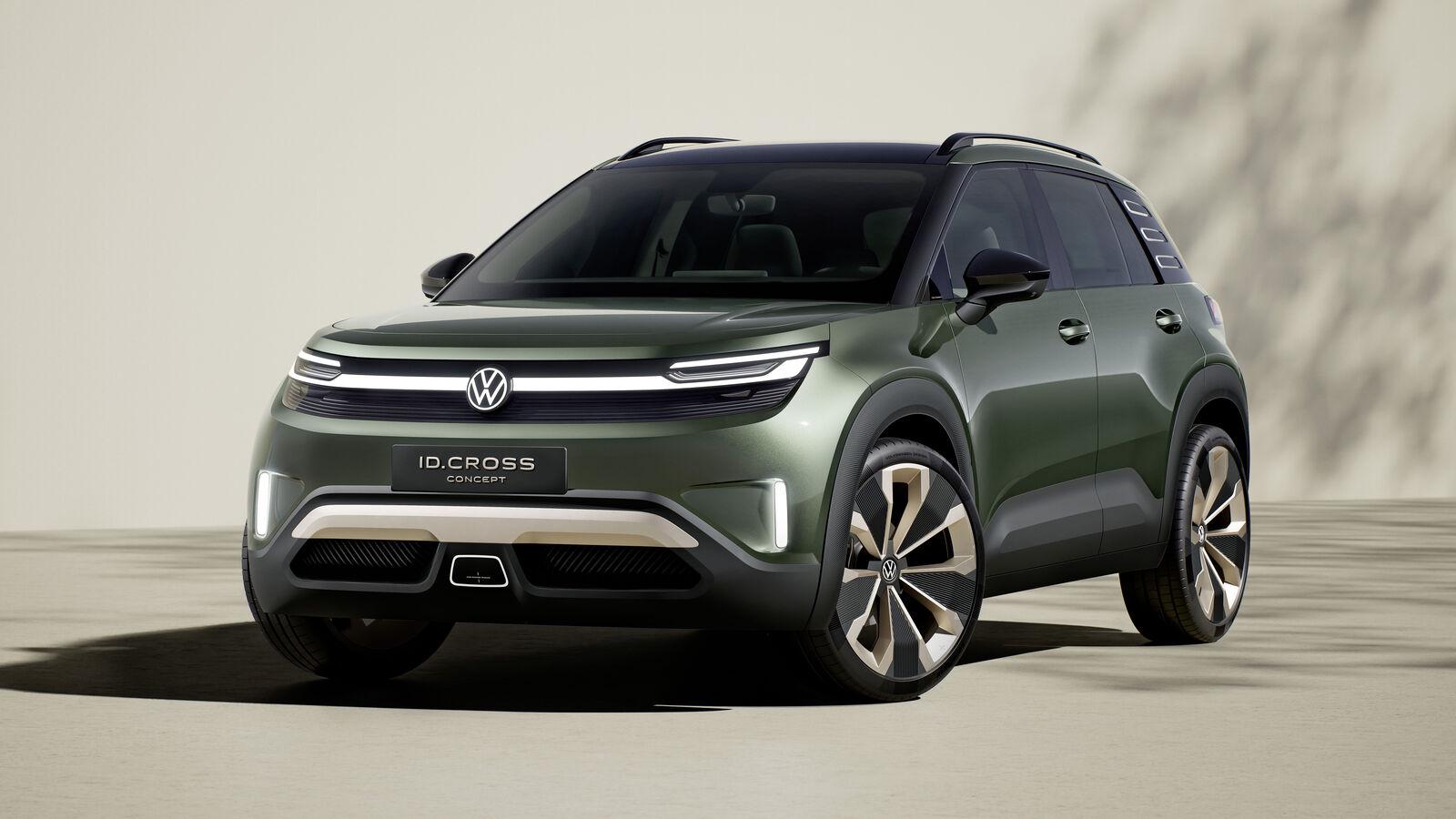
Volkswagen ID Cross: The Crossover Nobody Needed After the ID Polo Actually Worked
Post image
1 Upvotes

VW's new electric crossover arrives barely six months after the ID Polo finally got things right. The question isn't whether it's good. It's why it exists at all.

Volkswagen has just launched the ID Cross, a small electric crossover that sits above the ID Polo supermini in the brand's expanding EV lineup. The ID Polo, for context, actually topped its class when it arrived earlier this year, which was both surprising and long overdue given Volkswagen's electric software had been a shambles for the better part of three years.

The ID Cross takes that same platform and lifts it. Slightly higher ride height. Slightly more boot space. Slightly more expensive. This is not innovation. This is marketing.

Volkswagen's logic here is transparent. Crossovers sell. Superminis do not, or at least not at the margins manufacturers want. So even though the ID Polo solved most of the infotainment nightmares that plagued the ID.3 and ID.4, Volkswagen has decided to hedge its bets by offering the same car in a shape people might actually pay money for. More on Volkswagen's struggle to fill factories and sell EVs: Volkswagen considers building Chinese-designed EVs in Germany as factory floors sit empty

The ID Cross drives fine. It accelerates with the instant, slightly unsettling shove that all electric cars deliver, the steering is light enough for urban manoeuvring but weighted well enough that it doesn't feel like a shopping trolley on the motorway. The ride quality is composed. The interior is clean, minimalist in that Volkswagen way that looks expensive until you notice the plastics.

Battery options are predictable: a smaller pack for the city-only crowd, a larger one for people who occasionally leave the M25. Range figures are competitive but not class-leading. Charging speeds are adequate. The infotainment system, critically, works. No more frozen screens. No more phantom button presses. No more needing a software update just to adjust the climate control.

Got a motors question? Ask Mike anything | Buying advice, fault diagnosis, what something's worth. He's the bloke that's read everything.

That improvement matters because Volkswagen spent years destroying its own reputation with half-baked electric software. The ID.3 launched with missing features. The ID.4 had laggy responses that made operating a sat-nav feel like loading a website on dial-up. Customers who had paid serious money were guinea pigs. Volkswagen knew it, apologised in that corporate non-apology way, and kept selling them anyway.

The ID Polo fixed that. Properly. The system responded instantly, the interface made sense, the voice control actually understood commands. It was what the ID.3 should have been in 2020.

So why does the ID Cross exist six months later?

Because Volkswagen looked at the sales data and realised people want height. They want the perception of safety that comes from sitting up high. They want the visual statement of a crossover even if the actual practicality difference between this and the ID Polo is marginal at best.

The ID Cross is competent. It does nothing wrong. It also does nothing the ID Polo doesn't do, except charge more money for the privilege of an extra three inches of ground clearance and body cladding that serves no functional purpose.

Pricing hasn't been confirmed yet, but expect a £3,000 to £4,000 premium over the equivalent ID Polo. That's the going rate for making something taller and calling it a crossover.

The ID Polo started at £32,000.

r/MotorBuzz • • 16h ago

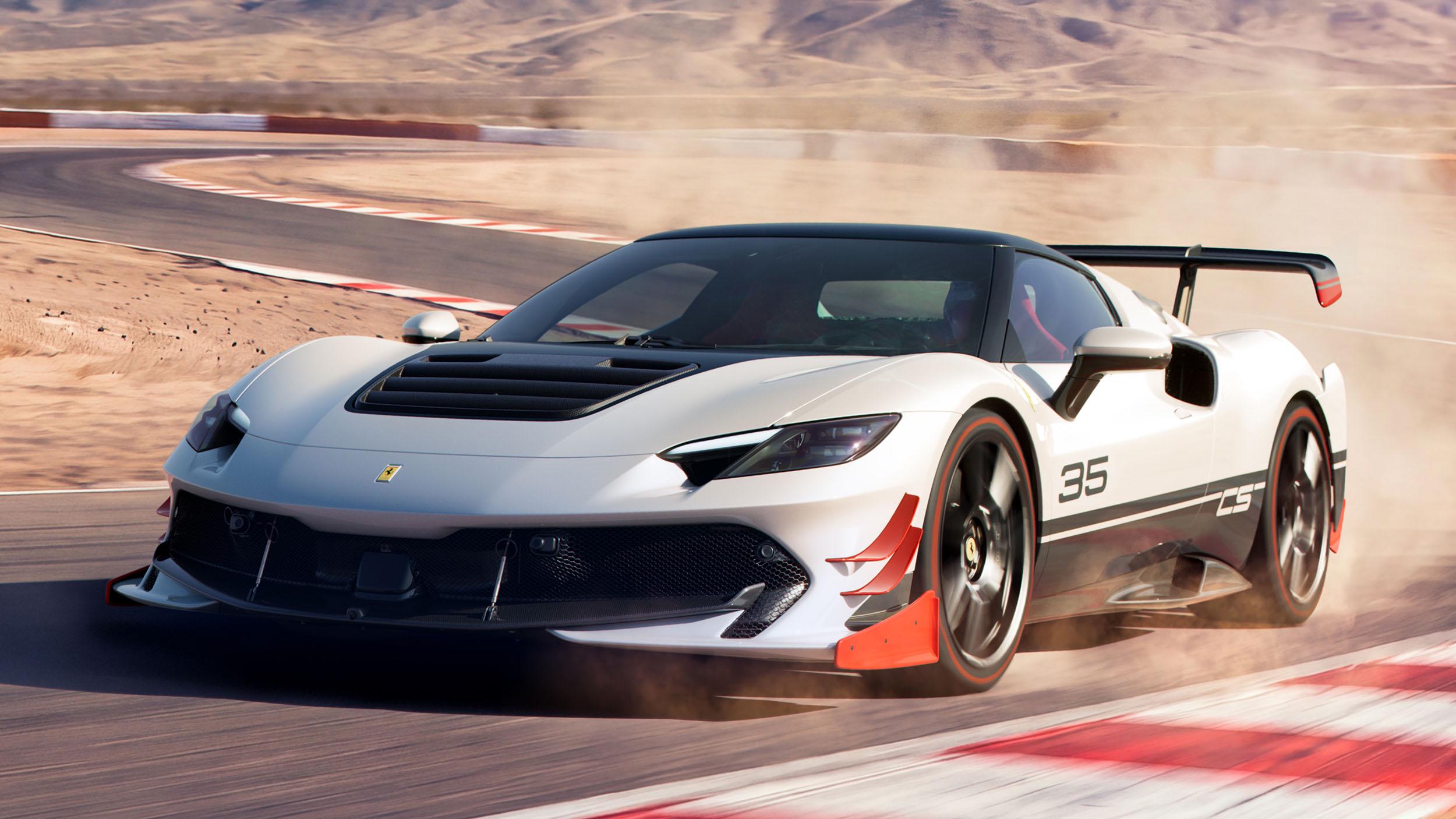
Ferrari is charging £260,000 for a lighter, faster 296 ... and not asking for a penny more

Post image
23 Upvotes

The 296 Challenge Stradale costs exactly the same as the standard GTB. That doesn't happen in this market.

Ferrari has priced the 296 Challenge Stradale at £260,000. The same £260,000 as the 296 GTB. Not more. Not less. Identical.

That is not how limited-run, track-bred Ferrari variants are supposed to work. How Ferrari's collectors responded to its latest controversial supercar: Ferrari's F80 sold out in eight weeks despite online meltdown over $640,000 price and hybrid powertrain

The Challenge Stradale is lighter. It's race-honed. It's rarer. In every other instance of this business model, those words translate directly into a premium. The 488 Pista cost more than the 488 GTB. The F430 Scuderia cost more than the F430. The 360 Challenge Stradale cost more than the 360 Modena. This is the established formula. Build fewer, make them harder, charge more.

Ferrari has chosen not to do that this time.

No explanation has been offered for the decision. The Challenge Stradale is not being positioned as a bargain. It is not being marketed as democratisation. It is simply listed at the same price as the car it is based on, as if that were a normal thing to do.

It is not a normal thing to do.

Got a motors question? Ask Mike anything | Buying advice, fault diagnosis, what something's worth. He's the bloke that's read everything.

The GTB is already a hybrid V6 supercar that does not need defending. It is fast, it sounds better than it has any right to, and it has been selling perfectly well without any help from a stripped-out track special. The Challenge Stradale exists because Ferrari builds Challenge Stradales. It is what the company does when it has a mid-engined platform and a calendar gap before the next model.

What Ferrari does not usually do is give that car away at standard spec pricing.

There are two ways to read this. The first is that Ferrari has suddenly developed a conscience about asking £300,000 for a car that costs £260,000 to make, only lighter. The second is that the 296 GTB is priced high enough already that there is no commercial need to push further. Both explanations involve admitting something uncomfortable about the pricing structure of modern supercars, which is probably why neither has been stated outright.

The result is a peculiar market anomaly. Buyers who want the sharper car pay the same as buyers who want the softer one. Buyers who want the rarer one pay the same as buyers who want the common one. And everyone pretends this is fine.

It will not stay fine for long. The used market will correct this within eighteen months. Challenge Stradales will be worth more than GTBs, because they are Challenge Stradales and that is how the hierarchy works. Dealers will adjust. Auctions will reflect reality. And the original buyer who paid £260,000 for the sharper, lighter, rarer car will discover they made a better decision than the person who paid the same money for the base model.

Ferrari has effectively given them a head start. Whether that was intentional or just an artifact of internal pricing politics is unclear. What is clear is that it has never happened before at this level, and it creates a situation where the smarter financial decision is also the more focused driving experience.

That almost never happens either.

The GTB remains on sale. The Challenge Stradale is limited production, though Ferrari has not said how limited. Dealers are taking orders now. Both cars cost £260,000.

Sources: Autocar


r/MotorBuzz • • 16h ago

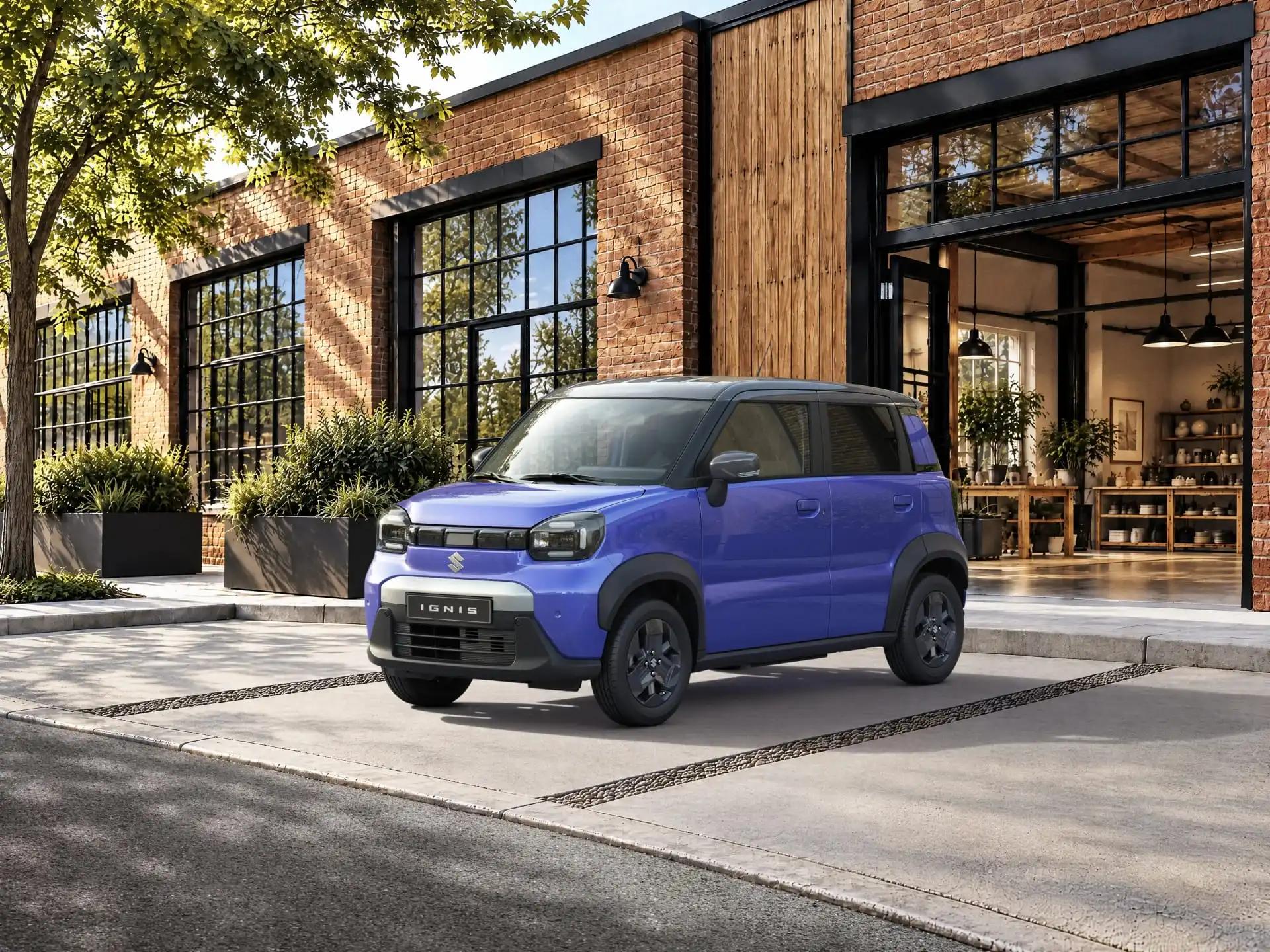
Suzuki is bringing back the Ignis as a sub-tonne electric city car in 2027

Post image
3 Upvotes

The reborn Ignis will use Suzuki's kei car platform and weigh under one tonne, pitched directly at Renault's new Twingo EV.

Suzuki is reviving the Ignis badge for 2027, this time as an electric city car that will weigh under one tonne and sit on the company's kei car platform. The target is the Renault Twingo and anyone else trying to sell affordable urban EVs that don't weigh as much as a Defender.

The original Ignis ran from 2000 to 2008 as a quirky micro-SUV nobody quite knew what to do with. The second generation turned up in 2016 and lasted until 2021, still odd-looking, still unloved outside of Japan. Now it's back, but this time the gamble is electric.

Kei car platforms are brilliant at doing more with less, mostly because Japanese regulations force manufacturers to work within strict dimension and engine capacity limits. Light weight, small footprint, efficient packaging. All the things EVs desperately need and rarely get because someone always decides to fit a bigger battery instead of designing a lighter car.

Under a tonne is rare. The Fiat 500e weighs 1,330kg. The Mini Electric is 1,440kg. Even the Dacia Spring, which is explicitly designed to be cheap and light, still tips 1,000kg. If Suzuki actually delivers a sub-tonne electric city car that works as a city car and not a battery pack with seats, it will have done something most of the industry has failed at. Suzuki also has another affordable EV on the way: Suzuki e-Sky will undercut the lot at under £20,000 when it arrives next year

Got a motors question? Ask Mike anything | Buying advice, fault diagnosis, what something's worth. He's the bloke that's read everything.

The Renault Twingo is the obvious rival. Renault has been talking about a new electric Twingo for years, promising affordability and European production. It's supposed to arrive around the same time as the Ignis. Whether either of them actually hits their launch dates is another question entirely.

Suzuki has been slow to electrify. The Swift and Vitara hybrids are competent but hardly cutting-edge. The company walked away from the UK market in 2021, citing the cost of meeting emissions regulations. Bringing back a nameplate like Ignis for an electric relaunch suggests Suzuki is trying to anchor something unfamiliar to something people vaguely remember, even if what they remember is a car that sold in modest numbers and disappeared quietly.

The kei car platform is the interesting part. Kei cars are designed to be cheap, light, efficient, and usable in tight urban spaces. All of which sounds exactly like what an electric city car should be, except most manufacturers have decided electric city cars should be premium lifestyle products instead.

Whether the new Ignis will be priced like a kei car or priced like a European EV with a kei car platform remains to be seen. If it's the latter, the whole exercise becomes pointless.

Three years is a long time in the EV market. By 2027, the Twingo might be on sale, the Dacia Spring might have a successor, and someone else might have worked out how to build a light, cheap, actually-affordable electric city car. Or none of that will have happened and the Ignis will arrive into a market that still hasn't figured out how to sell small EVs to people who just need a small car.

Suzuki has named the car and given a date. Launch is 2027. Weight is under one tonne.

Sources: Autocar


r/MotorBuzz • • 16h ago

Genesis Magma: Korea's Performance Brand Built on a Motorsport Budget of Roughly Nothing

Post image
9 Upvotes

Genesis is launching Magma as a performance sub-brand with motorsport origins. The origins are real. The motorsport heritage is... optimistic.

Genesis has announced Magma, a performance brand that it claims emerges from motorsport origins. The Korean marque is positioning this as a credible alternative to AMG, M Division, and the rest of the established German performance alphabet. What it actually has is a customer racing programme that started in 2022 and a lot of ambition.

The gap between those two things is worth examining.

Magma takes its name from the molten rock Genesis uses as a visual metaphor for performance. The brand's first products will be hot versions of existing Genesis models, beginning with what the company describes as expanded offerings beyond the current lineup. No specific models have been confirmed, but the G70 saloon is the obvious starting point. It already exists in a mild performance spec. Making it properly quick is the next step. The Le Mans tech that shows Genesis means business with Magma: Genesis just put its Le Mans V8 in a concept car while everyone was looking elsewhere

The motorsport credentials Genesis references come from its GT4 programme. The G70 has been competing in customer racing since 2022, primarily in North America. It has won races. It has not set the category alight. This is not BMW Motorsport building M cars from decades of touring car dominance. This is a brand with two years of modest GT4 results claiming motorsport DNA.

That does not mean Magma is doomed. It means the foundation is thin.

Got a motors question? Ask Mike anything | Buying advice, fault diagnosis, what something's worth. He's the bloke that's read everything.

Korea has form here. Hyundai launched its N performance brand in 2015 with similarly modest credentials and has since built the i20 N, i30 N, and Ioniq 5 N into genuinely credible hot hatches and crossovers. The difference is that Hyundai committed serious money to the Nürburgring, hired Albert Biermann from BMW M, and spent years proving the hardware worked before making grand claims about heritage.

Genesis appears to be doing this in reverse. The branding comes first. The motorsport success, if it arrives, comes later.

The challenge for Magma is not whether Genesis can build a quick car. It almost certainly can. The challenge is whether anyone outside Korea will care enough to buy one over an M340i or a C43 AMG. Those brands have spent decades convincing buyers that their performance divisions are worth the premium. Genesis is starting that conversation now, in a market that is both sceptical of new performance brands and increasingly uninterested in petrol saloons.

Timing is not Magma's friend either. The shift to electrification is accelerating. Genesis has electric models in the pipeline. Building a combustion-engine performance brand in 2025 is either bold or several years too late, depending on how charitable you feel.

What Genesis does have is design credibility. The brand's styling has been consistently strong since it launched as a standalone marque in 2015. If Magma can translate that visual confidence into genuinely engaging dynamics, it has a chance. If it cannot, this becomes another footnote in the long history of car brands trying to manufacture motorsport credibility out of marketing budgets.

The first Magma models are expected within the next 18 months. Genesis has not confirmed pricing, but expect a significant premium over standard models. Whether that premium buys you a genuine driver's car or just a Genesis with red badges and a body kit is the question Magma now has to answer.

The GT4 programme continues. The wins, when they come, will be used to justify the branding. That is how this works now. Build the story first, then fill in the results later. It is not the way BMW M or Mercedes-AMG did it, but those companies had the luxury of time and factory racing budgets that made sense. Genesis has neither.

The G70 GT4 car costs around £150,000 for customer teams. That is a mid-pack GT4 price, not a premium one.

Sources: Autocar, Genesis official


r/MotorBuzz • • 16h ago

Under-25s still causing a quarter of serious crashes despite safety push

Post image
13 Upvotes

Young drivers account for 25% of Britain's serious crashes, though new training programmes are finally making a dent in decades-old statistics.

Under-25s are involved in a quarter of all serious crashes on British roads, despite making up less than 10% of licence holders. The figures have been stubbornly consistent for years, though safety programmes targeting this age group are now showing measurable results for the first time.

The disproportionate involvement isn't news. Young driver risk has been understood since before the MOT existed. What's changed is that intervention programmes ... graduated licensing schemes, advanced driving courses offered at cost price, even gamified apps that monitor driving behaviour ... are starting to register as more than statistical noise.

Insurance companies have been pricing this risk for decades. A 17-year-old with a provisional licence and a 1.0-litre Corsa still faces quotes north of £2,000 in most postcodes. Some insurers won't quote at all. The actuarial tables are brutal because the claims history is brutal.

Part of the problem is developmental. The prefrontal cortex, which governs risk assessment and impulse control, doesn't finish maturing until the mid-20s. You can teach a 17-year-old to pass a driving test. You can't teach their brain to finish developing faster. That's not an excuse, it's biology, and it shows up in the data every year. We looked at the driving habits most likely to kill: Nine Things Drivers Do That Are Genuinely Dangerous, and the One Thing They All Have in Common

Graduated licensing schemes ... used in Australia, New Zealand, and parts of North America ... restrict new drivers from carrying passengers under a certain age, driving at night, or exceeding lower speed limits for a set period after passing their test. The UK has resisted this for years, citing enforcement difficulties and political squeamishness about restricting young people's mobility. Meanwhile, the casualty figures stay flat.

Got a motors question? Ask Mike anything | Buying advice, fault diagnosis, what something's worth. He's the bloke that's read everything.

The safety programmes showing results tend to involve actual post-test training rather than lecturing. Skid pan days. Emergency braking exercises. High-speed motorway driving with an instructor. Things that simulate the situations that kill people, in an environment where nobody dies if it goes wrong.

Some police forces run these at cost. Some insurers subsidise them in exchange for lower premiums. Take-up is patchy because most 18-year-olds, having just passed their test, are not queuing up to be told they can't drive yet.

The other factor is vehicle choice. A 19-year-old in a ten-year-old diesel hatchback with 70 horsepower is a different risk profile to a 19-year-old in a 15-year-old hot hatch with 200. The insurance industry knows this. Parents often don't, or choose not to.

Telematics ... black box insurance, essentially ... has had mixed results. It works when it's priced as an incentive rather than a punitive measure. Drive smoothly, stay under the speed limit, avoid 2am trips, and your premium drops. Drive like you're auditioning for a police chase, and it doesn't. The technology is effective. The take-up has been slower than insurers hoped because young drivers, reasonably enough, don't love the idea of being monitored.

What won't change the figures is rhetoric. Road safety campaigns aimed at young drivers have been running since the 1970s. The ones that work involve tangible consequences ... loss of licence, unaffordable insurance, actual crashes ... not slogans. Telling a 17-year-old that speed kills has never worked and will not start working now. How overconfidence and risky behaviour play out in crash data: Men Drive with Confidence but Cause the Most Serious Crashes, Study Finds

The quarter figure will come down when graduated licensing becomes mandatory, when post-test training is required rather than optional, and when insurers stop writing policies for teenagers in cars with twice the power they can handle. Until then, it's the same risk being priced into the same premiums year after year.

The programmes showing results are a start. They are not yet systemic, and they are not yet mandatory, which means they are not yet reaching the drivers who need them most.

Sources: Autocar


r/MotorBuzz • • 16h ago

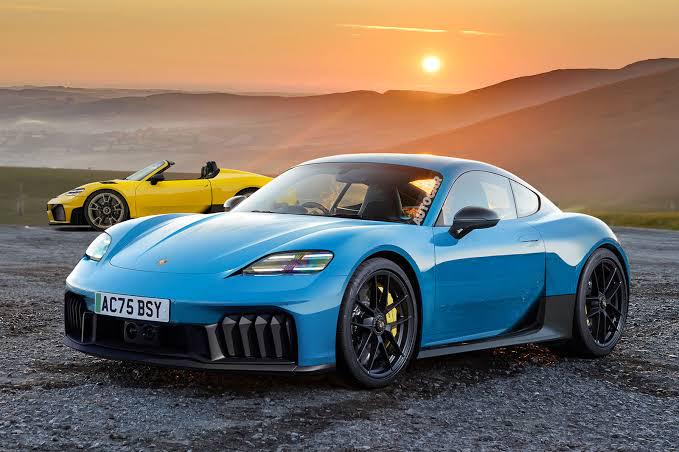
Electric Porsche 718 Boxster driven: turns out the flat-six was the problem all along

Post image
0 Upvotes

Years late, the electric 718 has finally been tested. Reviewers say it's better than the original. Without the engine that made it famous.

The electric Porsche 718 Boxster has been driven. After years of delays and speculation, journalists have finally sat in the thing. The verdict: it might be the best Boxster Porsche has ever made. Despite losing the flat-six engine that has been the entire point of the 718 since it was introduced.

That's the claim, anyway.

Porsche has been promising an electric sports car for long enough that people stopped believing it would actually happen. The company kept showing concepts, kept talking about engineering challenges, kept reminding everyone how important the flat-six was to the brand's identity. Then they built an electric Boxster and handed it to the press. Porsche's reasoning behind its brake pedal approach explained here: Why the electric Porsche 718 Boxster won't have one-pedal driving

The reviewers who have driven it are saying things that will infuriate purists. That it's sharper. That it's more balanced. That removing the engine from behind the driver and replacing it with batteries in the floor has solved handling problems the 718 has had for decades. The mid-engine layout that made the Boxster famous apparently works better when there's no engine in the middle.

Porsche has not released full technical specifications yet. No power figures, no battery capacity, no range numbers. What they have confirmed is that the electric 718 uses the same platform architecture as the upcoming electric Macan, adapted for a two-seat sports car layout. The battery pack sits low in the chassis. The motors are mounted on the axles. The centre of gravity is reportedly lower than any previous Boxster.

Got a motors question? Ask Mike anything | Buying advice, fault diagnosis, what something's worth. He's the bloke that's read everything.

The flat-six is gone. That's the bit that will split opinion. For twenty-five years, the Boxster has been defined by that engine. The sound, the feel, the way it revs. Porsche built an entire brand identity around naturally aspirated flat-sixes. Then they turbocharged them. Then they made a four-cylinder 718. Now they've removed the engine entirely and replaced it with electric motors that make no noise at all.

The question is whether Porsche can sell a sports car without the engine noise. The 911 will keep its flat-six for now. The 718 is the experiment. If this works, if people actually buy an electric Boxster in meaningful numbers, then everything changes. If it doesn't, Porsche will have spent years developing a car nobody wants.

The delays have not helped. The electric 718 was supposed to arrive years ago. Porsche kept pushing the date back. First it was battery supply problems. Then it was software. Then it was range concerns. Then it was just vague delays with no explanation. Other manufacturers have launched entire electric sports car lines in the time Porsche has spent getting the 718 ready.

The reviewers who have driven it say the steering is sharper than the petrol car. That the weight distribution is better. That it turns in harder and holds a line through corners with more precision. These are not things you expect to hear about a car that has gained several hundred kilograms in batteries.

The weight is there. Electric cars are heavy. Batteries are heavy. Physics has not changed. What Porsche has apparently done is put all that weight exactly where it needed to be. Low down, spread across the wheelbase, not hanging off the back of the car like the flat-six was.

Whether any of this matters depends on what you think a Boxster is for. If it's about the engine note and the mechanical feel of a naturally aspirated flat-six, then the electric version is not a Boxster at all. If it's about how the car drives through a corner, then maybe it's the best one yet.

Porsche has not announced pricing. The electric 718 will cost more than the current petrol car. How much more is unclear. The company is positioning it as a premium model, not a replacement. The flat-six Boxster will continue for now, sold alongside the electric version. For how long is anybody's guess.

The production version is expected in late 2025 or early 2026, depending on which part of Porsche you ask. Full specifications will be released closer to launch. Customer deliveries will follow six months after that. By which time the entire market for electric sports cars may have changed completely, or disappeared entirely.

The electric 718 Boxster exists. It has been driven. Reviewers say it's good. Better than the original, even. Without the engine that made the original worth buying in the first place.

Sources: Autocar, Porsche AG press materials


r/MotorBuzz • • 16h ago

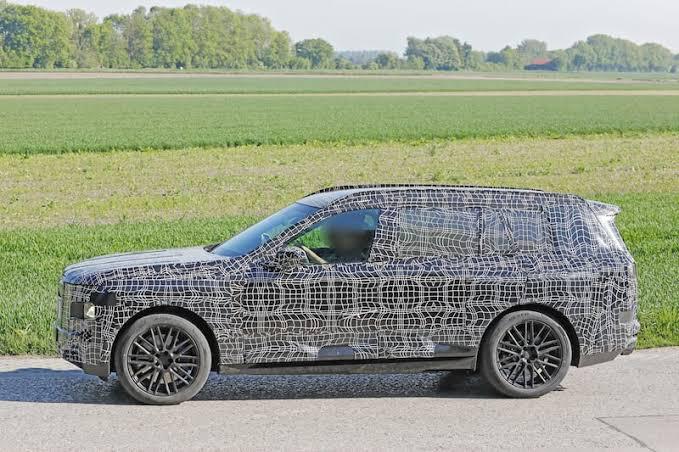
BMW's next X7 is ditching volume for margin with V8s, an Alpina, and a Range Rover in its sights

Post image
1 Upvotes

The second-generation X7 arrives in 2027 with six-cylinder, V8, and electric variants plus an Alpina range-topper. BMW is trading mass appeal for proper flagship status.

BMW is repositioning the X7 upmarket for its second generation in 2027, adding V8 engines, electric variants, and an Alpina performance model to take on the Range Rover directly. The current X7 sells in decent numbers but has never quite escaped the shadow of Mercedes' GLS or the cultural weight of the Range Rover nameplate. BMW's answer is to stop competing on volume and start competing on desirability.

The powertrain lineup will span inline-six engines, V8s, and fully electric versions. That spread is deliberate. BMW is keeping combustion alive in the X7 at a time when most manufacturers are hedging their bets or retreating entirely from large petrol engines in SUVs. The V8 will almost certainly be the 4.4-litre twin-turbo unit already doing service elsewhere in the range, possibly with mild-hybrid assistance. The six-cylinder will be the 3.0-litre inline unit that has become BMW's default for anything that isn't trying to be an M car or a luxury barge. How the combustion tuner ended up building an electric car: Alpina's first electric car is an i7, and BMW made them do it

What's more interesting is the Alpina variant. Alpina has been absorbed into BMW's main operation now, so this will be a factory Alpina rather than the semi-independent creations that used to emerge from Buchloe. That changes the character slightly. The old Alpina X7 was a curious thing, more GT than sports SUV, with suspension tuning that prioritised long-distance comfort over any pretence of handling. Whether the new one retains that philosophy or edges closer to BMW M territory remains to be seen, but the existence of an Alpina X7 at all signals that BMW thinks there is room at the top of this segment for something other than the Urus or the Cayenne Turbo.

The electric version will almost certainly use BMW's Neue Klasse platform or a derivative of it, which means 800-volt architecture and charging speeds that might actually justify the claims made in the press release. Range will need to be north of 300 miles to make any sense in a vehicle this size, particularly one being sold into markets where long-distance driving is the whole point. The current X7 is popular in America and the Middle East, where range anxiety is still a deal-breaker for many buyers. If BMW cannot deliver comparable usability to the combustion models, the EV variant will be a footnote.

Got a motors question? Ask Mike anything | Buying advice, fault diagnosis, what something's worth. He's the bloke that's read everything.

The Range Rover comparison is the most telling part of this strategy. BMW has never quite managed to position the X7 as a genuine alternative to the Range Rover in the minds of buyers who care about such things. The Mercedes GLS outsells it in most markets. The Range Rover commands a price premium BMW cannot match. The X7 has always been the rational choice, the one you buy when you want three rows and a BMW badge but don't want to be seen trying too hard. That is not where the margins are.

So BMW is moving the X7 upmarket. That means higher prices, lower volumes, and a more focused attempt to compete with Range Rover on prestige rather than practicality. It also means the X7 will likely stop pretending to be a family SUV and start behaving like a luxury flagship that happens to have seven seats. Whether that works depends on how well BMW can justify the price increase and whether buyers in this segment care more about the badge or the product.

The 2027 X7 will not be a volume car. It will be a statement about where BMW thinks the top of the SUV market is heading, and how much people are willing to pay to get there. The current X7 starts at around £80,000 in the UK. The next one will almost certainly start higher, possibly well into six figures once you add the options BMW will inevitably make standard equipment on the Alpina.

The first examples should arrive in showrooms in late 2026 or early 2027. Pricing has not been confirmed, but expect the entry-level model to start above £85,000, with the V8 and Alpina variants pushing well past £120,000.

Sources: Autocar


r/MotorBuzz • • 16h ago

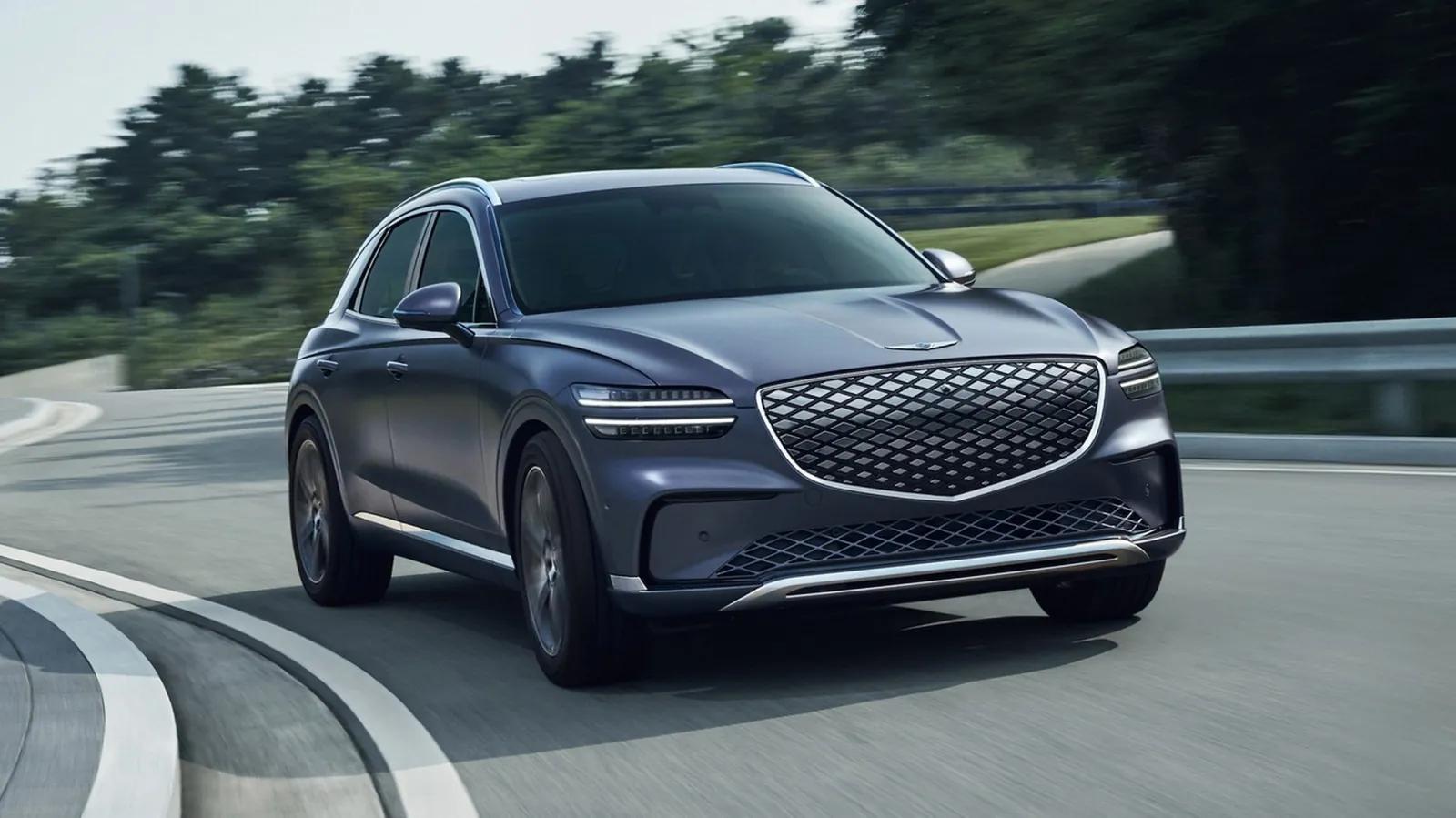
Genesis G80 Hybrid Grows Five Inches for Battery Pack, Not People

Post image
1 Upvotes

The 2028 G80 Hybrid stretches nearly 200 inches nose to tail, and most of that extra length is for a briefcase-sized battery and plumbing, not rear-seat passengers.

The 2028 Genesis G80 Hybrid is 5.1 inches longer than the standard G80, pushing total length to an estimated 199.6 inches. That makes it longer than a BMW 5 Series LWB, and Genesis would very much like you to believe the extra space is for rear-seat passengers. It isn't.

Most of that length has gone into packaging hybrid components. A briefcase-sized battery, liquid cooling loops, a bigger fuel tank, and all the wiring that connects a four-cylinder engine to an electric motor and doesn't catch fire. Genesis unveiled the new hybrid G80 alongside the GV80 hybrid SUV at the LA Auto Show, and both use the same powertrain setup.

The battery is small. Genesis product planning boss Ash Corson said it's about the size of a medium briefcase, which is marketing speak for "we're not building a plug-in because those are heavy and expensive." The battery has liquid cooling around it, which is not new technology but does explain why the car needed to grow. You can't just wedge a battery under the boot floor and hope for the best.

The hybrid system can run in EV mode at low speeds, which is useful in car parks and completely irrelevant everywhere else. The real selling point, according to Corson, is range. Over 500 miles depending on configuration, possibly more. The standard G80 has a 21.1-gallon tank, and the hybrid presumably uses something similar or larger.

Got a motors question? Ask Mike anything | Buying advice, fault diagnosis, what something's worth. He's the bloke that's read everything.

Corson called it "an excellent Las Vegas road trip vehicle" that can take four friends, or three friends comfortably, without stopping for fuel. That's not a driving experience pitch. That's a pitch for people who find petrol stations inconvenient, which is a real market segment but not one Genesis has historically targeted.

The hybrid four-cylinder is new, though Genesis hasn't released power figures yet. It replaces the 2.5-litre turbo four and the 3.5-litre twin-turbo V6 in certain markets, which suggests the hybrid will slot somewhere between those outputs. Probably closer to the four-cylinder, judging by how much Genesis is talking about efficiency and how little it's talking about performance.

Five inches of extra length is a lot. For context, the gap between a standard 5 Series and the long-wheelbase version is 5.5 inches. Genesis could have used that space to give rear passengers genuinely useful legroom, the kind that makes the G80 a proper chauffeur car. Instead, most of it went to batteries and cooling. Rear legroom has expanded, but Genesis hasn't said by how much, which usually means "not much."

The GV80 hybrid uses the same setup, though SUVs are better at hiding batteries because there's more vertical space to work with. The G80 is a saloon, which means everything has to go lengthways or under the floor, and Genesis clearly decided lengthways was easier.

The 2028 G80 Hybrid will compete against the BMW 530e and the Mercedes E-Class plug-in hybrids, except it won't plug in. That makes it cheaper to buy and simpler to own, but it also means no tax breaks in markets where plug-in hybrids get preferential treatment. Genesis is betting there's a market for people who want hybrid efficiency without the faff of charging cables. Whether that market is large enough to justify a 199.6-inch saloon remains to be seen.

The G80 Hybrid goes on sale sometime in 2027 as a 2028 model. Pricing hasn't been announced, but expect it to sit above the standard 2.5-litre four-cylinder and below the 3.5-litre twin-turbo V6. The standard G80 starts around £38,000 in the UK, though Genesis has been known to adjust pricing depending on how aggressive it feels that quarter.

Sources: Genesis, LA Auto Show roundtable discussion attended by CarScoops


r/MotorBuzz • • 16h ago

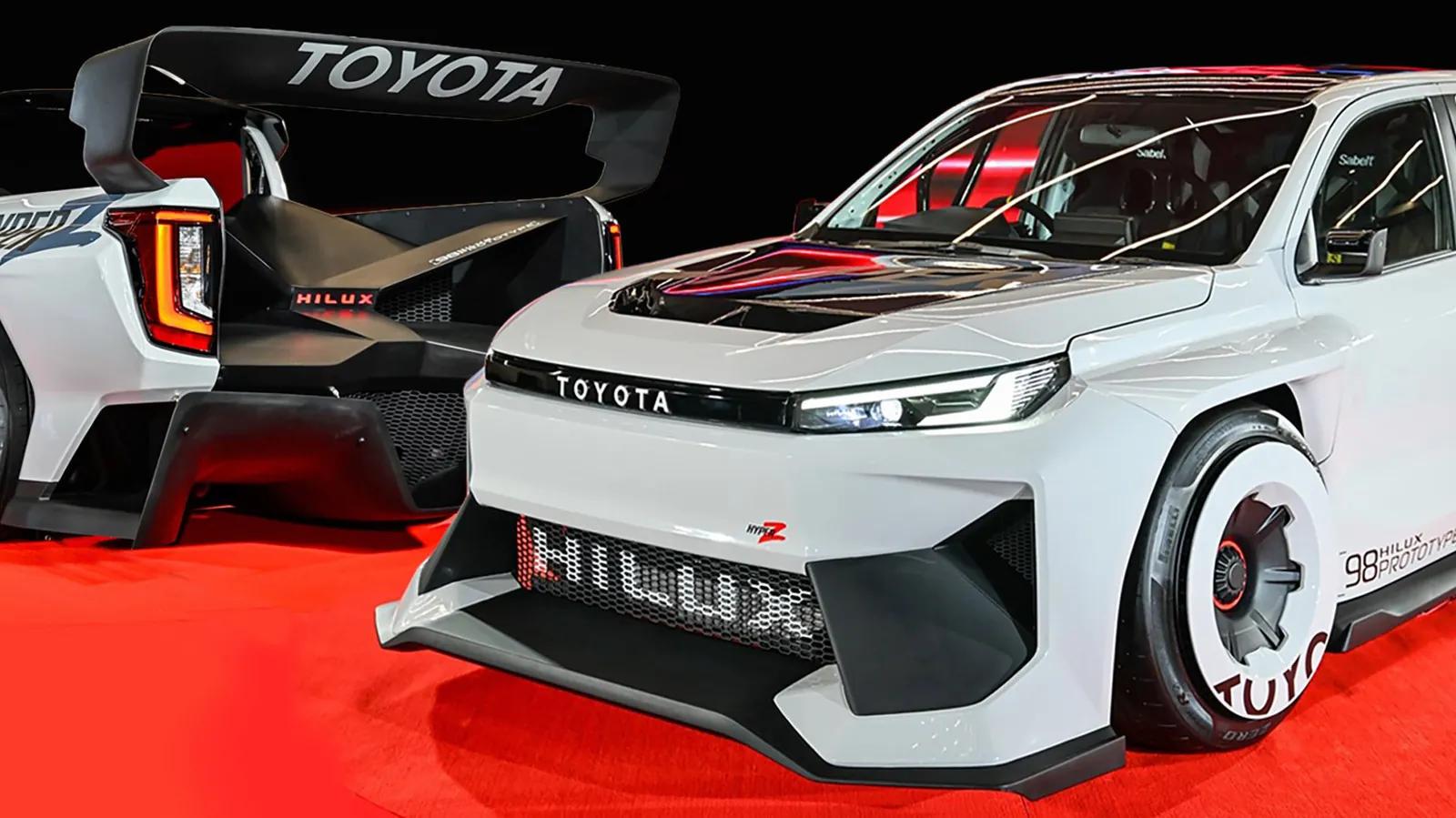
Toyota built a slammed widebody Hilux street fighter, then put the low-rider version on sale for £13,000

Post image
13 Upvotes

Thailand's underground truck scene just got official manufacturer backing. Toyota built a one-off show truck with Öhlins coilovers and an F1-spec rear wing, then offered a production low-rider version that starts cheaper than the normal one.

Toyota has built a widebody street fighter version of the Hilux called the Travo Hyper Z, complete with Öhlins remote-reservoir coilovers and a rear wing that looks like it came off a Red Bull single-seater. It's a one-off concept, but the production low-riding Hilux Travo Z Edition is available to order in Thailand right now for 599,000 baht. That's $17,600, or roughly £13,000.

The standard high-riding Hilux Travo costs $22,600. The electric version is $43,700. Toyota has somehow made the street truck version cheaper than the mainstream model.

This is not Toyota dabbling in customisation. This is Toyota acknowledging that Thailand's truck modification scene has been building lowered, bagged, and slammed Hiluxes for years, and deciding that official versions might as well exist. The concept was developed with help from Toyota's Australian design studio, taking direct inspiration from Thai street culture, which treats pickup trucks the way Los Angeles treated Impalas in the 1980s.

The Hyper Z concept shares almost nothing with the standard truck except the bodyshell. The suspension is Öhlins coilovers front and rear with Swift springs and upgraded control arms. The interior has been stripped and fitted with Sabelt racing buckets, yellow seatbelts, a three-spoke steering wheel, a Race Dash digital instrument cluster, and a roll cage. The exterior gets widebody arches, 16-inch wheels, and that absurd rear wing. The plastic cladding around the wheel arches has been removed entirely, though Toyota will sell it back to you as an optional accessory on the production version.

The production Hilux Travo Z Edition is not the concept. It's a low-riding rear-wheel-drive pickup with reduced ground clearance, road-focused suspension, a sporty front bumper extension, body-coloured rear bumper, and special decals. Available in Standard Cab, Smart Cab, and Double Cab forms. Two turbodiesel engines: a 2.4-litre with 148 horsepower and a 2.8-litre with 201 horsepower. The 2.4 comes with a six-speed manual or six-speed automatic. The 2.8 is manual only and restricted to Standard Cab.

Got a motors question? Ask Mike anything | Buying advice, fault diagnosis, what something's worth. He's the bloke that's read everything.

It serves as an alternative to the existing Hilux Travo Prerunner, 4Trex, and Overland trims, which are all aimed at off-road buyers. The Z Edition is explicitly not that. It is for people who want a truck that sits low, looks aggressive, and handles tarmac properly.

At the official presentation event in Thailand, Toyota displayed several modified Hilux examples built in collaboration with local shops. A white dual-cab with a black bonnet. A grey example with a tubular bed rack. A red single-cab with a steel cage. A neon-green truck with an aerodynamic box canopy. A lifted truck with roof-mounted LEDs. These were not fringe builds hidden in a corner. They were front and centre.

That presentation strategy is unusual. Most manufacturers tolerate aftermarket modification but rarely celebrate it in official marketing. Toyota has gone the other way, treating Thailand's street truck scene as a valid design influence and potentially a source of motorsport ideas. The Hyper Z concept looks like it could enter a one-make series tomorrow.

The low-riding Travo also undercuts the standard model by $5,000. That pricing decision only makes sense if Toyota expects volume, which suggests the company believes there is genuine demand for an affordable rear-wheel-drive street truck with factory backing.

Thailand's modification culture is not new. It has been building wild versions of the Hilux, Ranger, and Triton for years, often involving air suspension, custom bodywork, and paint jobs that would make a drift car look conservative. Toyota has simply decided to acknowledge it officially and offer a version that buyers can finance through a dealership instead of assembling themselves in a workshop.

The production Hilux Travo Z Edition starts at 599,000 baht, or approximately £13,000, depending on exchange rates.

Sources: Toyota Thailand official channels, automotive industry reports


r/MotorBuzz • • 16h ago

Mansory has taken a 911 Turbo S Cabriolet and covered it in brown carbon fiber

Post image
9 Upvotes

The tuner's new Softkit produces exactly zero additional horsepower and replaces Porsche's legendary restraint with tartan seats and orange stitching.

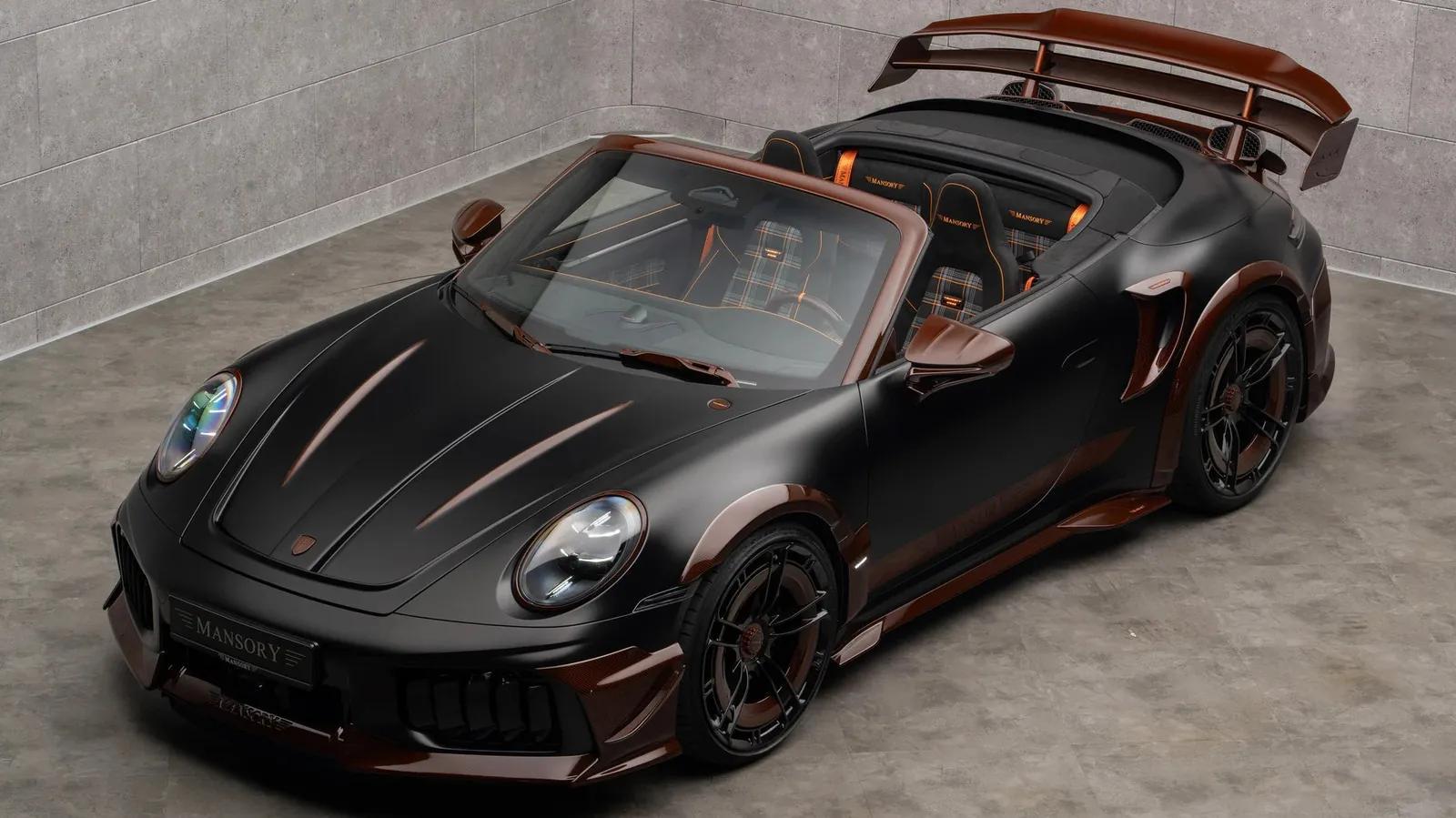
Mansory has released a customization package for the Porsche 911 Turbo S Cabriolet that wraps the entire car in brown-tinted carbon fiber and fills the cabin with tartan upholstery. No performance upgrades are included in this particular application. Just the aesthetic intervention.

The Softkit was previewed on the 911 Turbo S Coupe earlier this year and has now migrated to the convertible. Brown carbon fiber appears on the new engine cover, which supports a large fixed two-part wing. There's a matching rear diffuser, flared wheel arches, extended side skirts, new air intake shrouds, and replacement wing mirrors. All brown carbon.

At the front, Mansory has fitted wiper blade covers, a new bonnet, custom headlight surrounds, aerodynamic canards, and an aggressive splitter. The tailpipes are matte black. The Mansory logo is illuminated, because subtlety was not part of the brief.

Four different forged wheel designs are available in 21- and 22-inch sizes. Each piece of the bodykit is sold separately, which means you can theoretically pick and choose, though it's unclear who would want just the illuminated logo or just the tartan seats.

Inside, the seats are trimmed in black suede with orange piping and tartan inserts that also feature orange accents. The seatbelts are orange. Brown carbon pieces cover the dashboard, steering wheel, center console, and door panels. Leather floor mats complete the cabin changes.

Got a motors question? Ask Mike anything | Buying advice, fault diagnosis, what something's worth. He's the bloke that's read everything.

The 911 Turbo S Cabriolet that Mansory has chosen to modify is not lacking in performance. The standard car produces 641 horsepower from its twin-turbo 3.8-litre flat-six and reaches 62 mph in 2.7 seconds. Mansory does offer an EVO 900 package for the 911 Turbo that lifts output to 888 horsepower and 774 pound-feet of torque, but that's not part of this Softkit application. What Brabus did to Bentley's grand tourer: Brabus Let's Loose The 888bhp Bentley Continental GT Beast

Which makes this purely a visual exercise. Brown carbon fiber on a Porsche 911 Turbo S Cabriolet with tartan seats and orange stitching. What Porsche's racing partner charges for one modification package: Manthey Just Made the GT3 RS Cost More Than a Ferrari With One £100,000 Upgrade

The 911 Turbo has historically been the model for people who wanted the performance without the theatre. Fast enough to embarrass anything on a back road, restrained enough not to announce itself in a car park. That was the entire point of it.

Mansory has looked at that philosophy and decided it needed illuminated logos.

The company has built a reputation on doing exactly this ... taking cars that are already extreme and making them more so, or taking cars that are deliberately understated and removing that quality entirely. Some people clearly want it. Mansory wouldn't still be doing this if there wasn't a market.

But a brown carbon Porsche 911 Turbo S Cabriolet with tartan seats is not a modification born out of restraint or respect for the original design. It's the automotive equivalent of buying a Savile Row suit and having it re-tailored in orange velvet.

The standard 911 Turbo S Cabriolet costs around £175,000 before options. Mansory has not published pricing for the Softkit, but given that each component is sold separately and the company's historical pricing strategy, the full package will add a significant sum to that figure.

For no additional performance. Just the brown carbon and the tartan.

Sources: Mansory official specifications


r/MotorBuzz • • 16h ago

Genesis wants 640 miles from an EREV SUV, and it might actually happen before Scout builds anything

Post image
1 Upvotes

Genesis is targeting a 640-mile range for an extended-range electric SUV planned for the first half of 2027. That's the same timeframe Hyundai's given for the Santa Fe version, and both would hit showrooms before Scout's much-hyped launch.

Genesis is targeting a total driving range of 640 miles for an EREV SUV it plans to launch in the first half of 2027, according to details the brand shared at an LA Auto Show roundtable. That figure includes battery range plus whatever the onboard petrol generator can deliver when the battery runs low.

The vehicle will be a D-segment SUV, which puts it in GV70 or GV80 territory. Genesis hasn't confirmed which one gets the EREV treatment first, but product planning boss Ash Corson was open enough about the timeline to make it clear the brand isn't waiting around to see how the market develops. Here's how Genesis stepped back from its electric-only messaging: Genesis G80 and GV80 hybrids make 347 hp and quietly bury the EV-first plan

It already knows. Pure EV demand in the U.S. has cooled faster than anyone at a product planning meeting wants to admit out loud, and charging infrastructure remains patchy enough that range anxiety is still doing more damage to sales than any amount of marketing budget can fix.

So Genesis, like the rest of the Hyundai Motor Group, is pivoting hard toward extended-range electric vehicles. The setup is straightforward: a petrol engine that charges the battery but doesn't drive the wheels. It's an on-board generator, not a hybrid powertrain. You can still plug it in at home or at a public charger like any other EV, but when the battery runs low, the engine kicks in and keeps you moving without the need to find a working fast charger in the middle of nowhere.

Hyundai has said its EREV platform will use less than half the battery capacity of a comparable pure EV. That cuts cost, weight, and production complexity, which makes the whole proposition easier to sell at a profit. The batteries themselves will be new in-house-developed cells, which suggests the group is serious about controlling its own supply chain rather than relying on external suppliers.

Got a motors question? Ask Mike anything | Buying advice, fault diagnosis, what something's worth. He's the bloke that's read everything.

Hyundai's own EREV is coming in the form of a Santa Fe, also planned for early 2027, and that one will be built as part of the company's plant expansion in Alabama. Genesis hasn't said where its EREV will be assembled, but the timeline is tight enough that tooling decisions have already been made.

The interesting part is that this could all hit the market before Scout Motors manages to deliver its first vehicle. Scout has been making a lot of noise about its electric SUV and pickup plans, but Genesis and Hyundai are moving faster and with less fanfare.

Genesis was also asked about a GV90 EREV. The answer was noncommittal but left the door open. The GV90 is expected to launch next year as a pure EV first, and an EREV variant could follow if the market supports it. That's a sensible hedge. If the EREV strategy works in the D-segment, extending it upmarket is straightforward.

What Genesis is not doing is pretending that pure EVs are going to solve every problem for every buyer in the next five years. The EREV approach acknowledges that a lot of people want electric driving for daily use but are not willing to plan long trips around charging stops. It's a pragmatic solution to a real problem, and it doesn't require a national charging network that doesn't exist yet.

640 miles is enough range to make the conversation about charging infrastructure irrelevant for most buyers most of the time. That's the point. Genesis is not trying to win an argument about the future of mobility. It's trying to sell cars to people who have anxiety about running out of charge on the M6.

First half of 2027 is eighteen months away. Hyundai has a track record of hitting product launch dates when it says it will, which is more than can be said for a lot of the industry right now.

Sources: Hyundai Motor Group product roadmap, Genesis LA Auto Show roundtable via CarScoops


r/MotorBuzz • • 16h ago

Alfa Romeo just built a Giulia rarer than most Paganis and sold all 10 before you heard about it

Post image
6 Upvotes

The Luna Rossa edition landed at Brussels with yacht sails in the dash, downforce numbers that shame the standard car, and a price nobody's saying out loud.

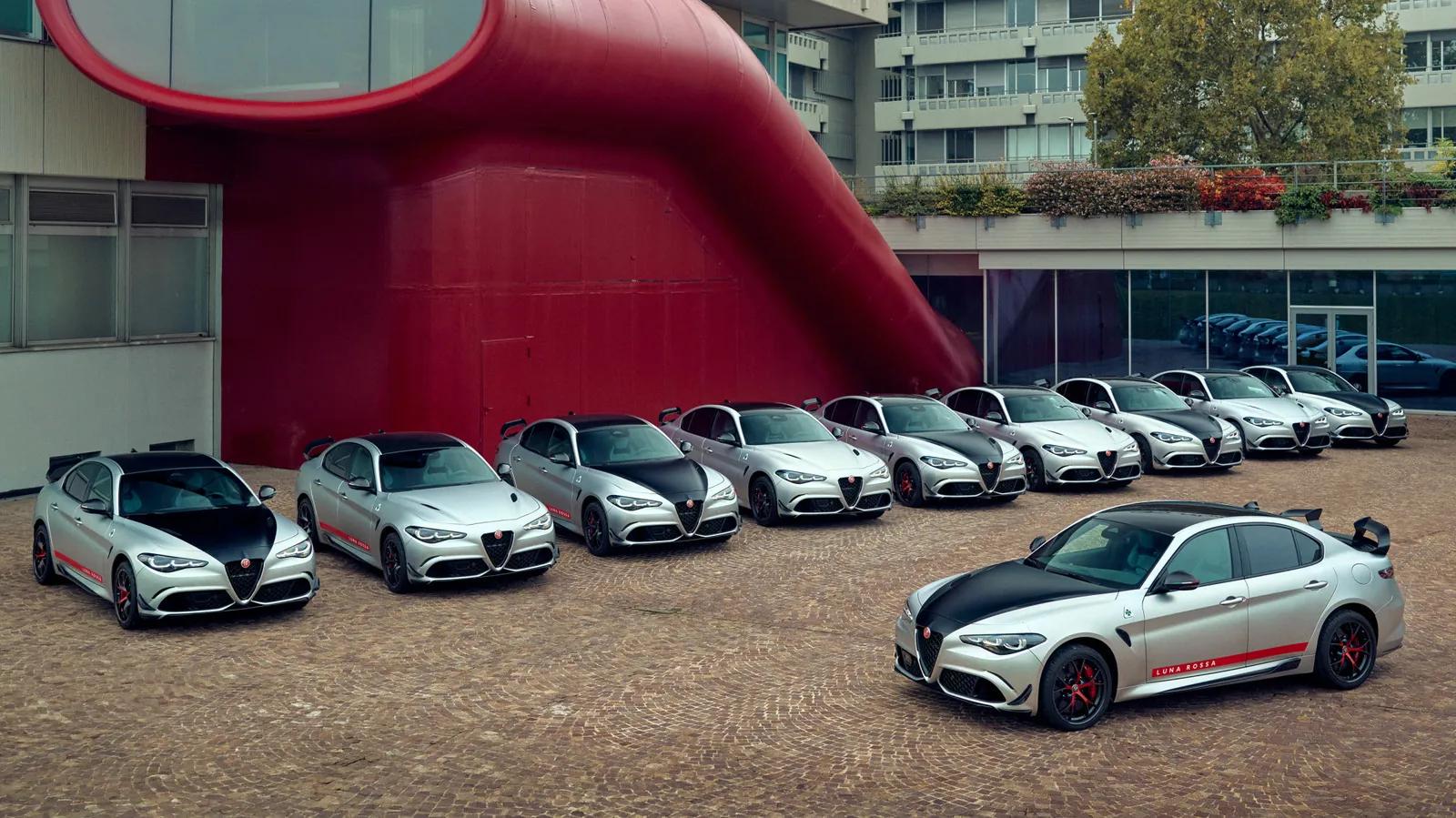
Alfa Romeo built 10 of something called the Giulia Quadrifoglio Luna Rossa and sold every single one before the car appeared at Brussels in January 2026. No public price. No allocation process. Just gone.

This is not a limited run in the way carmakers usually mean it. The GTA and GTAm together numbered 500 units. Even the 100th anniversary special stretched to 100 cars. Ten is hypercar territory, and yet here it is applied to a saloon that shares its mechanical bits with the standard Quadrifoglio and will continue production through the end of 2027. How Bugatti squeezes more from an ultra-exclusive platform: Bugatti just built a one-off 1,578bhp Destrier because the Bolide chassis was too good to waste

The Luna Rossa name comes from Alfa Romeo's partnership with the America's Cup sailing team. The Bottegafuoriserie division, which handles bespoke work for Alfa and Maserati, took that association literally. The dashboard integrates a thin layer of actual sail material from Luna Rossa's boats. The Sparco bucket seats wear upholstery inspired by the flotation vests the crew use when racing. Iridescent gray paint, red side graphics, forged 19-inch wheels in various states of black or red finish depending on which of the 10 you're looking at.

Four owners skipped the optional black treatment for the bonnet and boot lid. That detail alone confirms these were individually specified, not off-the-peg specials.

The carbon aero package is the functional bit. Front canards, side skirt extensions, and a split rear wing that together produce up to five times more downforce than the regular Quadrifoglio at 300 kph. That's 186 mph in old money, speeds the standard car already handles without drama. Whether anyone buying a Luna Rossa will ever verify that claim on track is another question entirely.

Got a motors question? Ask Mike anything | Buying advice, fault diagnosis, what something's worth. He's the bloke that's read everything.

The engine remains the twin-turbo 2.9-litre V6 making 513 horsepower and 443 lb-ft through an eight-speed ZF auto and a mechanical limited-slip diff. No power bump. No weight reduction. The GTA and GTAm still sit above this in the hierarchy with more of both. The Luna Rossa is about rarity and specification, not lap times.

Alfa gathered all 10 cars at the museum in Arese for a photoshoot before delivery. That image, more than anything else, tells you what this is. These are collector objects first, driver's cars second, even if the underlying Quadrifoglio remains one of the better sports saloons you can still buy new.

The timing is odd. The current Giulia is over 11 years old in design terms, a tenure that would embarrass most manufacturers. CEO Santo Ficili has confirmed the Cuorerosso concept shown recently was a design statement, not a production preview. The actual replacement won't arrive until after the Tonale's SUV successor in early 2028 and a compact Giulietta revival later on. So Alfa Romeo is selling ultra-limited specials of a car most rivals replaced years ago.

Then again, the market for this sort of thing doesn't care much about product cycles. Gargash Motors in the UAE commissioned a five-unit run called the QV 115 Bespoke Edizione. Zagato built a one-off SWB with a redesigned body, shorter wheelbase, GTA engine, and a manual gearbox. These exist because someone will pay, and evidently someone did.

The Luna Rossa sits somewhere between those coachbuilt specials and the more accessible limited editions Alfa churns out for anniversaries and motorsport tie-ins. Ten units is fewer than most people realise exists as a market segment. It's also fewer than the number of journalists who will ever drive one, which means most of what gets written about it will be based on spec sheets and press photos from Arese.

The price never went public because it didn't need to. If you had to ask, you weren't getting one anyway. All 10 sold before Brussels, which suggests either Alfa's bespoke division has a very particular client list or the dealers knew exactly who to call. Possibly both.

Production of the standard Giulia runs through the end of 2027, so there's time for more specials if Alfa fancies it. Whether they'll be rarer than 10 units is hard to imagine. That's already past the point where the car becomes a footnote in production records and a trophy in someone's private collection. The Luna Rossa was never meant for road tests or customer reviews. It was meant to sell out before most people knew it existed, and it did exactly that.

Sources: Alfa Romeo Bottegafuoriserie, Brussels Motor Show 2026 debut details


r/MotorBuzz • • 16h ago

Ineos will build the Grenadier in America because 70% of buyers are American

Post image
20 Upvotes

The British SUV maker is hunting for a U.S. factory right now, with production expected to start in 2028.

Ineos Automotive will start building the Grenadier SUV and Quartermaster pickup in the United States in 2028. The move is not exactly a surprise given that seven out of every ten Grenadiers sold end up with American buyers, and the starting price of $73,745 makes import tariffs expensive.

The company has shortlisted several sites and expects to name the winner in the next few months. These are pre-existing plants, which makes sense given the short timeframe. Building a factory from scratch takes years. Taking over an existing one with the right tooling takes months.

Right now, Ineos builds everything at an old Smart plant in Hambach, France. That was a sensible choice when Jim Ratcliffe, the petrochemical billionaire who bankrolled the brand, decided in 2016 to build the Defender that JLR had just axed. The Smart factory was compact, underused, and available. It still is, apparently, because Ineos will keep building vehicles there for markets outside the U.S. Our full review of the vehicle that emerged from that decision: 2025 Ineos Grenadier Review: Rugged and Purpose-Built Off-Roader

The Grenadier is a body-on-frame truck with recirculating ball steering, solid axles, and lockable diffs. It is unapologetically old-fashioned in a way that appeals to people who think the new Defender is a Range Rover in fancy dress. Whether that appeal justifies the price is another question entirely.

The pickup, called the Quartermaster, starts at $86,390. Both vehicles come with a turbocharged 3.0-litre inline-six from BMW that makes 282 horsepower and 332 pound-feet of torque. European buyers also get a 245 hp diesel version of the same engine. Americans do not, because diesel passenger vehicles are commercially radioactive in the U.S. unless you are selling heavy-duty trucks to people who tow for a living.

Got a motors question? Ask Mike anything | Buying advice, fault diagnosis, what something's worth. He's the bloke that's read everything.

Both vehicles return 14 to 15 mpg, which is dreadful even by body-on-frame standards. For context, a Ford Bronco with the 2.7-litre V6 returns 19 mpg combined, and a Jeep Wrangler Rubicon with the 2.0-litre turbo four manages 22. The Grenadier is thirsty because it is heavy, because the BMW engine was not designed for this application, and because the entire vehicle was engineered on a tight budget by a startup that did not have time to optimise anything.

That said, the people buying Grenadiers are not cross-shopping them with Wranglers. They are buying a statement, and the statement is that they would rather drive something obscure and British than something mainstream and American. The fact that it costs more and drinks more fuel is part of the appeal.

Ineos is not the first automaker to move production to the U.S. in response to tariffs. JLR announced plans to build Defender-branded vehicles in the U.S. with Stellantis, though those plans have been revised repeatedly and may never happen. Audi announced a $4 billion investment to build a plant in Georgia last month, though that was as much about securing subsidies as avoiding tariffs. How tariffs could affect another corner of the automotive world: Will Trump tariffs hit classic car parts?

The difference is that Ineos does not have the resources to build a new factory. It needs an existing plant with the right footprint, the right workforce, and the right equipment. That narrows the field considerably.

Ratcliffe built the Grenadier because he was annoyed that JLR discontinued the old Defender. He wanted something simple, capable, and repairable. What he built was something expensive, thirsty, and dependent on BMW drivetrains. It sells anyway, because there is a market for expensive nostalgia.

The U.S. plant will not change that. It will just make the nostalgia cheaper to deliver.

Sources: Ineos Automotive


r/MotorBuzz • • 16h ago

Toyota Sienna hits 37 mpg combined and nobody's building anything close

Post image
14 Upvotes

The 2027 Sienna just became the most efficient minivan you can actually buy in America, and it's faster than the old one.

The 2027 Toyota Sienna now returns 37 mpg combined, up from 36 mpg on the front-drive model and 35 mpg with all-wheel drive. That makes it not only the most efficient minivan in America, but effectively the only hybrid minivan full stop, unless you count the Chrysler Pacifica plug-in that Stellantis keeps threatening to discontinue.

City economy climbs to 39 mpg, a leap of three or four mpg depending on which drivetrain you pick. That's the figure that matters for the school run, the Costco trip, the endless suburban loops that define minivan life. Toyota's retuned its sixth-generation hybrid system with new electric motors using silicon carbide conductors and a 1.15 kWh lithium-ion battery pack. The 2.5-litre four-cylinder gets tweaks too. Toyota's hybrid tech also powers this compact SUV alternative: 2025 Toyota Corolla Cross Review: Practicality, Efficiency, and Hybrid Power in a Versatile SUV

Power's up six horses to 251 hp. Torque stays at 176 lb-ft, which is fine because torque was never the problem. The front-driver now hits 60 mph in 7.5 seconds, the AWD in 7.6. That's up to 0.4 seconds quicker than last year's model, which means the Sienna is now faster than a lot of crossovers pretending to be sporty.

The entire 2027 lineup gets dual 12.3-inch displays as standard. No more base-spec penalty box interiors. There's a built-in dashcam now, which is either reassuring or mildly Orwellian depending on how you feel about being recorded by your own car. Toyota Safety Sense 4.0 arrives with upgraded sensors, and the brakes are new too, lifted from the RAV4 with an electronically controlled system that should feel less wooden than the old setup.

Got a motors question? Ask Mike anything | Buying advice, fault diagnosis, what something's worth. He's the bloke that's read everything.

Storm Cloud paint joins the palette. Cypress is gone, which is a shame if you liked Cypress and irrelevant if you didn't.

The 2026 model starts at $42,915 including destination. The 2027 price isn't confirmed yet, but Toyota's not known for leaving money on the table when it's the only game in town.

What's striking is how alone the Sienna is. Honda killed the Odyssey hybrid before it launched. Chrysler's Pacifica plug-in exists in theory but you'd be hard-pressed to find one on a dealer lot that isn't pre-sold. Kia and Hyundai build the Carnival and Staria for other markets but won't federalise them. Volkswagen abandoned the segment entirely.

So Toyota's left selling the only self-charging hybrid minivan to a market that still, inexplicably, buys minivans. And now it's faster and more efficient than it was last year, which is more than you can say for most things.

The efficiency gain looks modest on paper. One or two mpg combined, three or four in the city. But spread across 15,000 miles a year, that's real money. And if you're the sort of person who bought a minivan instead of a three-row crossover because you value space and practicality over pretending you're still young, you're probably also the sort who notices when the fuel bill drops.

The Sienna's been coasting on hybrid exclusivity since it went all-hybrid for 2021. Now it's actually improving the formula instead of just sitting on it. 37 mpg combined in a vehicle that seats eight and swallows a 4x8 sheet of plywood flat on the floor.

Sources: Toyota official press release, EPA fuel economy estimates


r/MotorBuzz • • 16h ago

Ford Ranger converted to run on train tracks in Australia

Post image
10 Upvotes

Aries Rail has turned a Super Duty into a dual-mode road and railway vehicle. This isn't a stunt ... it's a production machine designed to replace full-size locomotives on inspection work.

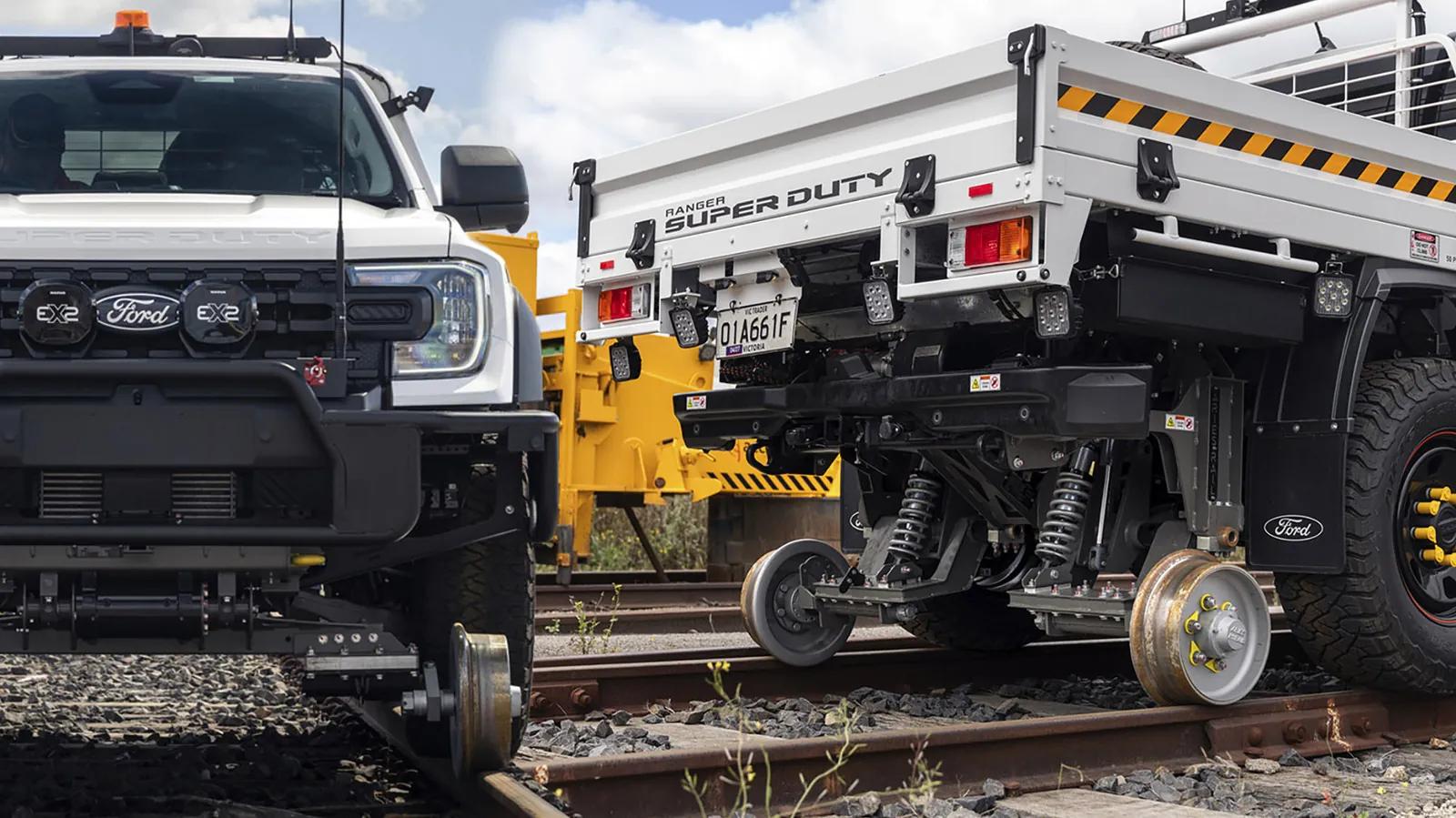
A Ford Ranger Super Duty in Australia can now drive on roads and railway tracks. The conversion was done by Aries Rail through Ford's official converter program, and it's designed to inspect and maintain rail networks without deploying a full train.

This isn't some marketing exercise. Aries Rail has been converting road vehicles for railway use for 40 years, and this is their first partnership with an automaker. The truck retains its 3.0-litre turbodiesel V6, 207 hp, 443 lb-ft, 10-speed auto, and full-time 4WD. What's new is a bespoke hydraulic system that deploys steel rail wheels at the front and rear, allowing the driver to mount train tracks when needed.

The logic is straightforward. Rail companies currently use full-size trains for network inspection and maintenance work. Those trains are heavy, slow to deploy, and require significant infrastructure just to get them in position. A pickup that can drive itself to the nearest rail access point, drop its guide wheels, and run the network under diesel power is lighter, faster, and far more practical for routine work.

Ford Pro's converter program gave Aries Rail access to mounting manuals, CAD data, engineering reviews, and virtual testing. The Ranger Super Duty's ladder-frame chassis was strengthened to handle the hydraulic guidance system, and technology partner Opses integrated the rail controls and camera feeds into the central touchscreen. The driver doesn't need separate controls ... everything runs through the existing infotainment system.

Got a motors question? Ask Mike anything | Buying advice, fault diagnosis, what something's worth. He's the bloke that's read everything.

The truck is rated for 4,500 kg maximum braked towing capacity, which is irrelevant here because it's not hauling train cars. It's hauling itself and whatever inspection or maintenance equipment is loaded in the bed. The point is agility, not freight capacity.

Aries Rail CEO Nathan Bender says the model has potential to become a global product. That's not idle optimism. Rail networks everywhere face the same problem ... how to inspect and maintain thousands of kilometres of track without committing a full train every time something needs checking. A road vehicle that can operate on rails solves that problem in markets where rail companies don't have the budget or infrastructure for dedicated inspection fleets.

The first production unit will be displayed at AusRAIL 2026 in Brisbane from November 23 to 25. That's an industry exhibition, not a consumer show, which tells you exactly who this vehicle is for. Rail operators, not Ranger enthusiasts.

Ford Pro's converter program exists to let specialist firms build niche commercial vehicles without reinventing the engineering from scratch. This is the program working exactly as intended. Aries Rail gets access to Ford's data and testing, Ford gets a production vehicle it would never have built in-house, and rail companies get a tool they actually need.

The Ranger Super Duty already sells as a workhorse in Australia. This version just happens to work on a different kind of road.

Sources: Aries Rail, Ford Pro Convertor program details, AusRAIL 2026 exhibition schedule


r/MotorBuzz • • 16h ago

Ferrari's Vegas Meltdown: Can You Pick a Number One? 2/2

1 Upvotes

r/MotorBuzz • • 18h ago

Wheelback Wednesday: Lost Brands and Landmark Launches

1 Upvotes

Play the Pit Stop quiz on Reddit!


r/MotorBuzz • • 1d ago

New York State bans subscription-only car features, threatens $250 fines per sale

Post image
265 Upvotes

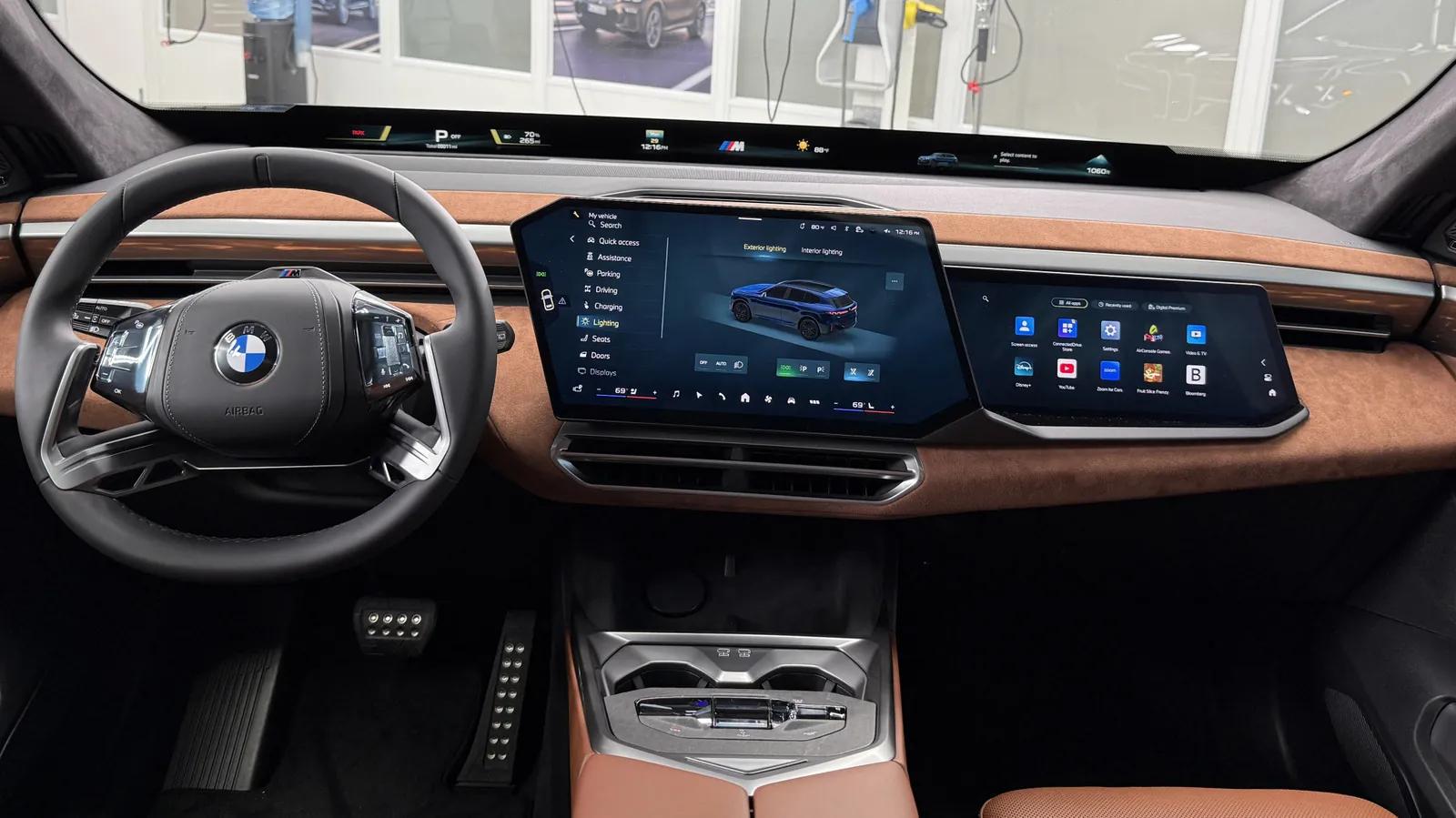
Governor Hochul signs law banning hardware paywalls in vehicles from February 2027. BMW's 360-degree camera subscription is exactly the kind of thing New York just outlawed.

New York State just made it illegal to sell a car with heated seats already fitted and then charge a monthly subscription to turn them on. Governor Kathy Hochul signed the bill into law, effective February 27, 2027, with violators facing civil penalties of up to $250 per point-of-sale for each infraction.

The legislation passed through the State Senate 57-3. It targets what Hochul called a "deceptive business model" where manufacturers install hardware in vehicles at the factory and then lock the features behind ongoing subscription fees.

The law is specific. If a feature uses hardware that was already in the car when you bought it or leased it, and that feature doesn't require continual costs or support from the manufacturer or a third party, it cannot be subscription-gated. High-beam assist. Remote start. A 360-degree camera that BMW famously tried to monetise. All covered. We covered the full story of carmakers' subscription push and backlash: The Subscription Hussle: Carmakers Want You to Keep Paying After You Buy

What isn't covered is equally specific. Navigation updates, infotainment features, satellite radio, in-vehicle WiFi, telematics, roadside assistance, any vehicle-connected service that relies on cellular data or other networks, and software-dependent driver assistance features are all exempt. Tesla's Full Self-Driving and GM's Super Cruise fall outside the scope of the ban because they depend on external networks and ongoing software development.

Manufacturers also cannot charge for software updates that fix safety defects. That one's worth noting.

MotorBuzz covers everything motors | Auctions, motorsport, new launches, market values, odd stories and the occasional argument. Start at the homepage if you're new.

The exemptions are broad enough that most of what currently operates as a subscription will continue to do so. The law doesn't touch features that require a live data connection or regular over-the-air updates. It's aimed squarely at the practice of locking away physical capability that's already sitting in the vehicle doing nothing.

Lease or payment plans don't count as subscriptions under the new law. The target is recurring charges for static hardware, not finance structures.

$250 per sale isn't catastrophic for a manufacturer, but it's enough to make the business model unviable if enforcement is consistent. Multiply that across a year of sales in New York and the numbers start to look awkward.

The effective date is February 27, 2027, which gives manufacturers time to adjust their product and pricing strategies. Whether they choose to disable the hardware in New York-bound vehicles, absorb the features into the base price, or challenge the law in court remains to be seen.

BMW's 360-degree camera paywall was cited explicitly in discussions around the bill. It's the kind of example that makes the practice look indefensible. The hardware is there. The cameras are installed. The wiring is done. But the software switch is flipped off until you pay monthly.

New York is the first state to legislate this outright. Other states have floated similar proposals, but none have passed them into law yet. Whether this sets a precedent or remains an outlier depends on how willing other legislatures are to intervene in manufacturer pricing models.

The law takes effect in just over two years.

Sources: New York State Senate, Spectrum News, CBS 6 Albany, Motor1


r/MotorBuzz • • 1d ago

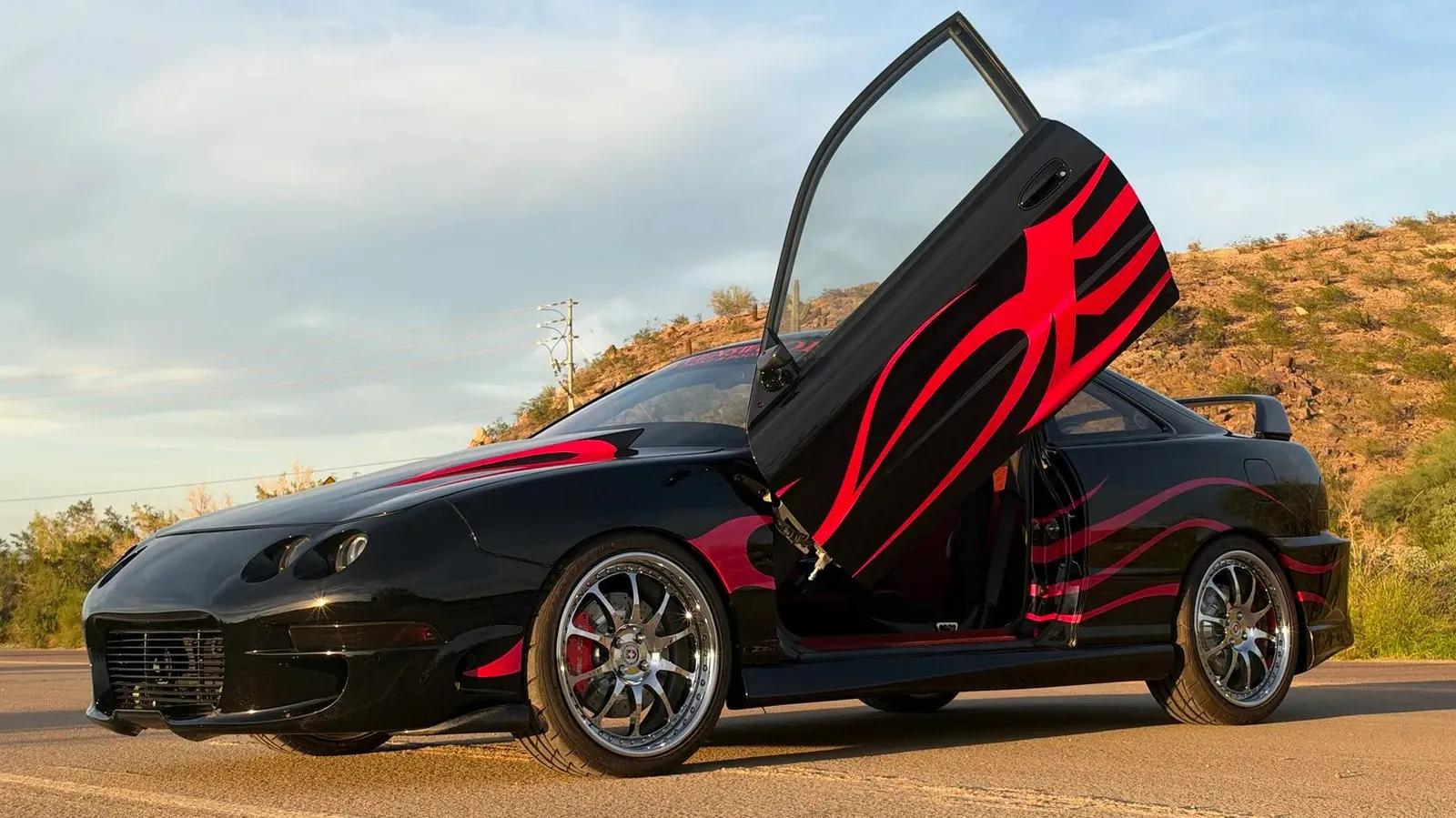
Film-used Fast and Furious Integra that cost the studio $2,472 in damage is now selling with no reserve

Post image
2 Upvotes

A 2001 Acura Integra GS-R that served as an extra in 2 Fast 2 Furious comes with production damage receipts and no minimum price.

A 2001 Acura Integra GS-R that worked on the set of 2 Fast 2 Furious is currently listed on Bring a Trailer with no reserve, complete with documentation showing the production company paid $2,472 for damage to the front and rear bumpers and grille during filming in 2002.

No reserve means exactly what it sounds like. Whatever the final bid reaches when the hammer falls is what it sells for.

This was not a hero car. Not even close. It served as an extra, background traffic in a film franchise that has since turned into a billion-dollar empire of increasingly absurd physics. But it was there, and the damage receipts prove it. That matters to a certain kind of buyer.

The car was repainted in 2003, the year after filming wrapped, in a combination of black and red that leans heavily into the period aesthetic. It now sits on 10-spoke 19-inch HRE wheels wrapped in 255/40 Firestone Firehawk rubber. The brakes have been upgraded to drilled-and-slotted discs with SSBC Force 10 calipers.

Under the bonnet, the original 1.8-litre inline-four has been fitted with a Jackson Racing supercharger and an aftermarket air intake. Power still routes to the front wheels through a five-speed manual. The engine bay has been dressed up with bright red hoses, chrome accents, and a red Comptech Sport strut bar. It is very much of its time.

MotorBuzz covers everything motors | Auctions, motorsport, new launches, market values, odd stories and the occasional argument. Start at the homepage if you're new.

Inside, the seats have been trimmed in red and black. Red floor mats. Red instrument cluster. Red detailing on the Momo steering wheel. Carbon fibre accents scattered about. An aftermarket audio system that probably sounded impressive in 2003.

Two Acura Integras appeared in the first Fast and Furious film, including one driven by Jordana Brewster's character, Mia Toretto. Those cars have since become collectibles in their own right. This one has a more modest claim to fame. Another hero car from the franchise fetched supercar money at auction: Paul Walker's Fast and Furious Supra Just Sold For Half A Million Dollars

For context, an Integra Type R from this generation sold last year for $204,000. That was a pristine example of the ultimate variant. This is a modified GS-R that happened to be on a film set long enough to get dinged up by a stunt crew.

The no-reserve format will test exactly how much movie provenance is worth when the car itself was never more than scenery. Someone will buy it. The question is whether they are buying a modified Integra with documentation or a piece of Fast and Furious history that happens to have an engine.

The damage receipt from 2002 lists $2,472 for bumpers and a grille.

Sources: Bring a Trailer


r/MotorBuzz • • 1d ago

Renault Cuts 1,000 Office Jobs While Hiring 2,000 Factory Workers to Build EVs

Post image
131 Upvotes

The French manufacturer is slashing white-collar positions and ramping up assembly line hiring for electric vehicle production in a transformation driven by Chinese competition and market pressure.

Renault is cutting up to 1,000 office jobs while creating 2,000 new factory positions for electric vehicle production at its French plants, a restructuring expected to complete by 2028 that makes explicit where the company thinks its survival depends.

The 2,000 new roles are entirely blue-collar. 1,650 will go to skilled workers in assembly, 250 to production support, and 100 to training programmes. All of them are for building electric vehicles, specifically models like the R5 and Scenic that Renault is now producing in volume. Extra shifts are currently being covered by temporary workers, which explains why the hiring timeline stretches four years.

The 1,000 office jobs disappearing are white-collar positions being eliminated through voluntary severance packages, not redundancies. That's the polite version of what happens when a car company decides it has too many people writing reports and not enough people bolting battery packs into chassis.

Renault has been shielded from the worst of the European market downturn by strong commercial van sales and decent EV numbers, but the pressure is there. At October's Paris auto show, one-third of the exhibitors were Chinese, an increase over 2024. Mercedes froze investment in German factories last week after reaching a stalemate with unions over working hours. BMW shed 8,000 roles earlier this year while handing out 'Turbo Bonus' payments to remaining employees, which is one way of describing a bribe to stay quiet during cuts.

MotorBuzz covers everything motors | Auctions, motorsport, new launches, market values, odd stories and the occasional argument. Start at the homepage if you're new.

What Renault is doing is clearer than what most manufacturers are willing to say out loud. The company needs more people building electric cars and fewer people sitting in offices managing a business model that no longer exists in the same form. The R5 has been well received. The Scenic is competitive. Both are EVs, and both need workers who can assemble battery-electric drivetrains at scale, not another layer of management overseeing a shrinking diesel and petrol portfolio.

The plans still need union approval, which in France is not a formality. But the structure of the deal makes the politics easier than a straight job-cutting exercise. Renault is creating more roles than it is eliminating, even if the people losing their jobs are not the same people getting the new ones.

Thierry Charvet, Renault's Head of Production, is overseeing the transformation. The timeline running to 2028 suggests Renault is not panicking, but it is also not pretending the shift to electric is optional or reversible. The temporary workers currently covering the extra shifts will either become permanent hires or be replaced by the newly trained assembly staff as the programme rolls out.

This is what restructuring looks like when a European car manufacturer is still making money and still has time to manage the transition. It is also what happens when Chinese competitors force the pace and legacy manufacturers realise that the old staffing models do not map onto the new product mix.

The voluntary severance route for office job losses avoids the worst of the political optics, but it does not change the underlying reality. Renault has decided it needs fewer administrators and more assemblers, and it is willing to spend money retraining and hiring to get there. That is a bet on volume EV production in France, which is either confidence or necessity depending on how the next four years play out.

2,000 new factory jobs by 2028, all of them for electric vehicle assembly.

Sources: Renault official announcement


r/MotorBuzz • • 1d ago

Nissan is making race car body panels out of pineapple leaves

Post image
13 Upvotes

Agricultural waste turned structural component. The process mirrors carbon fiber production, and it's strong enough for motorsport.

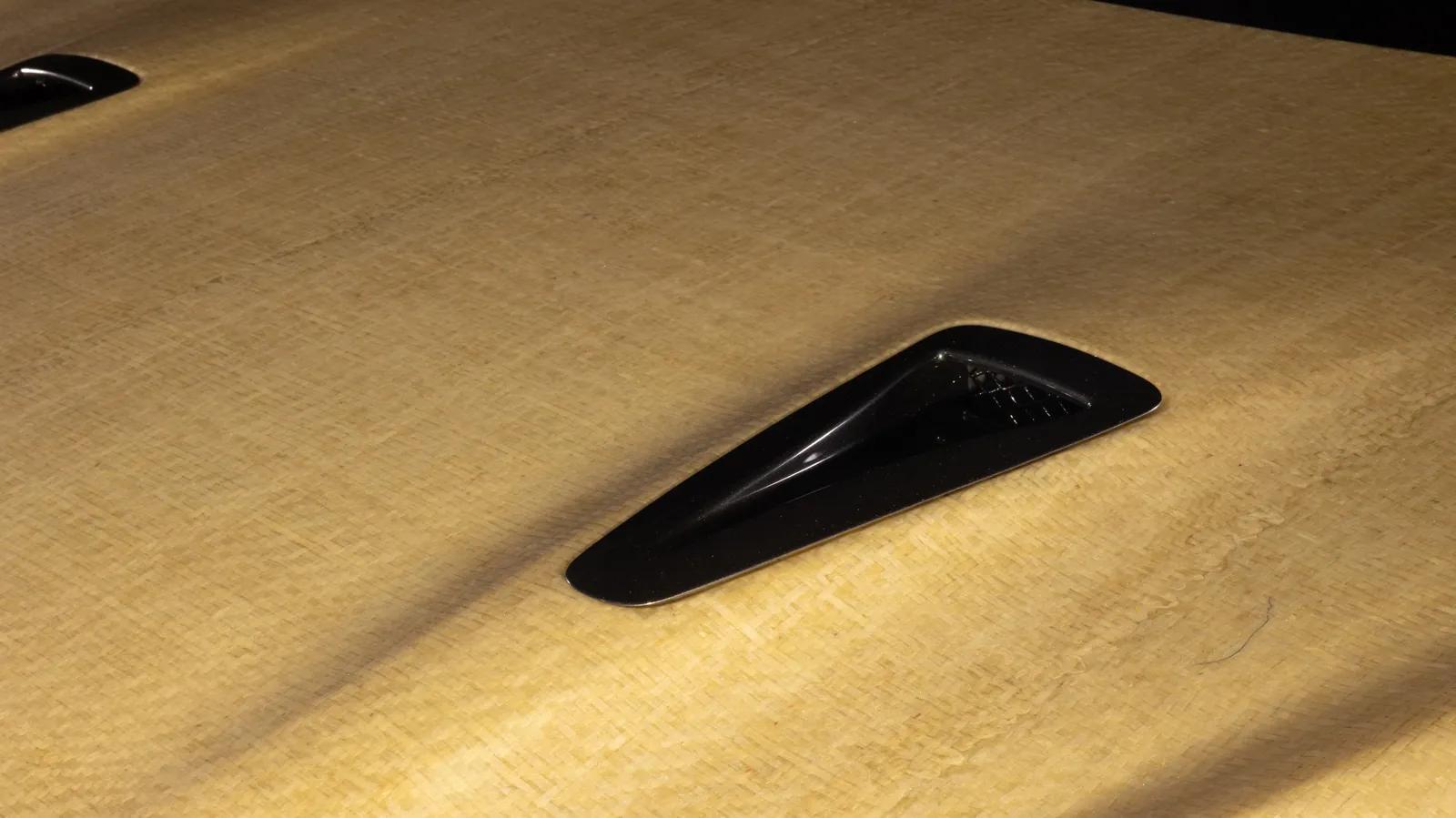
Nissan and Food Reborn Co. have developed structural body panels made from discarded pineapple leaves. Not decorative trim. Actual load-bearing panels strong enough for racing applications.

Pineapple leaves are normally thrown away after harvest. Food Reborn extracts fibers from them, turns those fibers into flat yarn, weaves the yarn into fabric, then combines it with resin to create a fiber-reinforced composite. The process is essentially the same as carbon fiber production, except the base material comes from something farmers already discard by the ton.

Nissan is licensing its manufacturing expertise to Food Reborn for production. Tatsuzo Tomita, corporate executive responsible for technology development at Nissan, confirmed the material meets the high-performance requirements of motorsports environments. That means temperature stability, rigidity, and impact resistance sufficient for competition use.

The obvious question is whether this ends up in production cars. Nissan hasn't confirmed that yet. The pattern with this sort of thing is testing in racing first, then filtering down to road cars if it works and the economics make sense. Toyota has played with plant-based plastics. Ford tried soybean-derived panels in the 1940s. Saturn used injection-molded thermoplastics on production cars for years. None of those became industry standard, but they all worked.

MotorBuzz covers everything motors | Auctions, motorsport, new launches, market values, odd stories and the occasional argument. Start at the homepage if you're new.

What makes this different is the waste angle. Pineapple cultivation generates massive volumes of leaf material with no commercial use. If you can turn that into something structurally useful, you've solved two problems at once. Disposal and material sourcing. Etsuko Uda, Representative Director and CEO of Food Reborn, has built the company around exactly that logic.

The motorsport application is the validation point. Race cars don't tolerate compromise. If a panel flexes wrong or delaminates under heat or vibration, the whole exercise is pointless. Nissan wouldn't be putting its name on this if the material couldn't handle the job.

Whether this scales to volume production depends on cost and supply chain. Carbon fiber is expensive because the production process is finicky and energy-intensive. If pineapple fiber can deliver comparable performance at lower cost and with a fraction of the carbon footprint, the economics start to look interesting. If it can't, it stays a curiosity.

The historical precedent is mixed. Weymann used coated fabric as exterior skin in the 1920s. Woody cars had actual wood body panels. Both worked, but neither survived the shift to mass production and unitized construction. The difference now is that manufacturers are under regulatory pressure to reduce embodied carbon in materials. That changes the calculation.

Nissan hasn't said which racing series might see the panels first, or when. Food Reborn is handling production, which suggests the technology is past the lab stage and into something resembling commercial viability.

The material exists. It works. The question is whether it's cheap enough and scalable enough to matter beyond a few race cars and concept vehicles. Food Reborn is licensing Nissan's manufacturing process, which means someone thinks there's a business here.

Sources: Nissan Motor Corporation, Food Reborn Co., Ltd.


r/MotorBuzz • • 1d ago

BYD banned from selling Defender clone in EU after losing Dutch court case

Post image
102 Upvotes

A European court has ruled BYD's Ti7 SUV infringes Land Rover's design rights, blocking sales across the entire EU including at its new Hungarian factory.

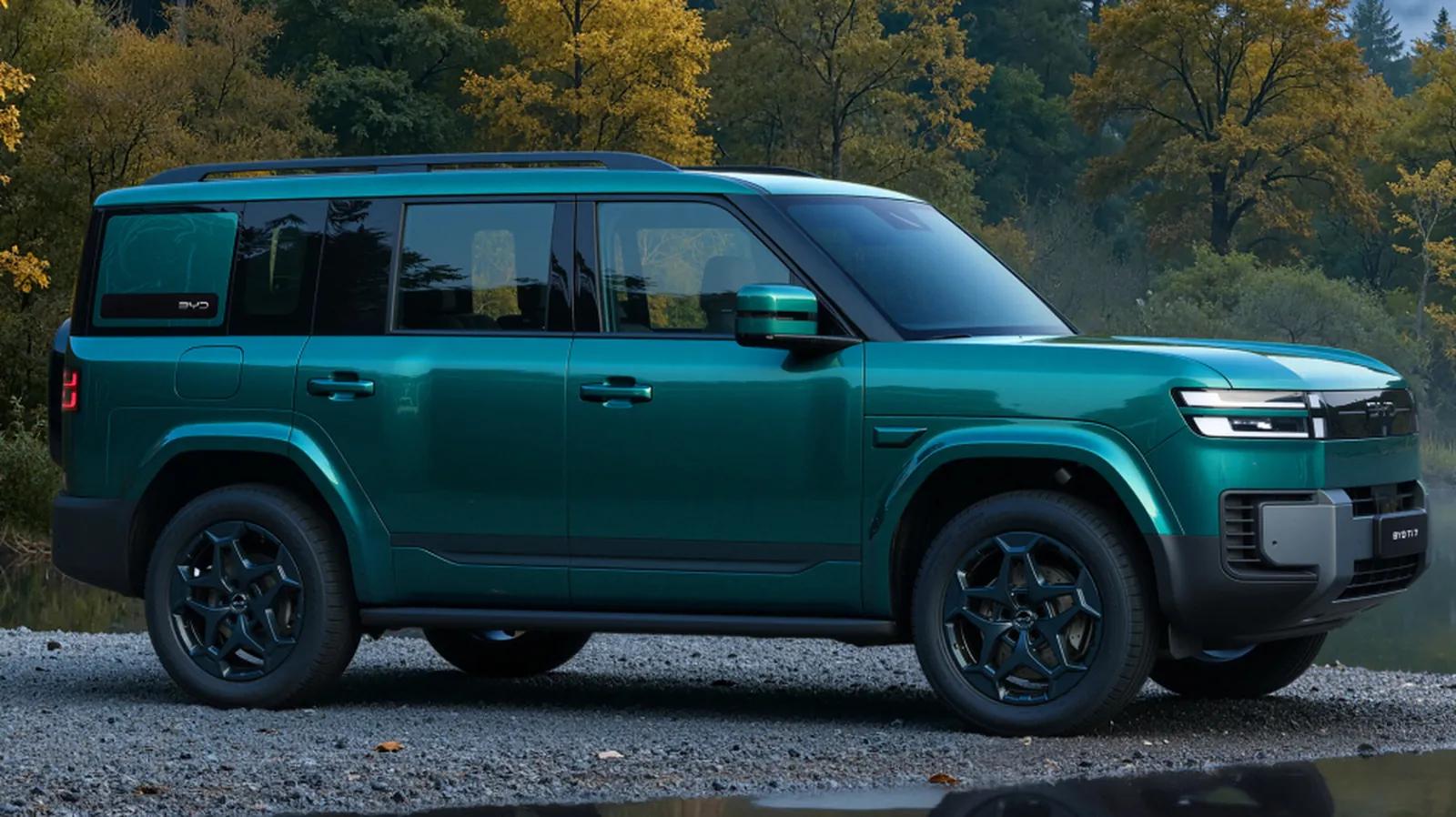
BYD is now banned from selling its Ti7 SUV anywhere in the European Union after a Dutch court ruled the vehicle copies the Land Rover Defender too closely. The injunction prevents the Chinese manufacturer from building the model at its new Hungarian production facility or offering it for sale in any EU country until the design is comprehensively changed.

The Ti7, sold as the Fang Cheng Bao Tai 7 in China, undercuts the Defender by roughly £20,000. That price gap won't help it now. The full story behind that court ruling is here: A Dutch judge says BYD's Ti7 is too much Defender. BYD says it drew it itself

The court found that the Ti7's design infringes on Jaguar Land Rover's intellectual property rights, specifically the Defender's bulbous shoulders, rounded corner detailing, signature panel work, cut-out wheel arches, continuous window line, and overall proportions. BYD argued that differences in lights, grille, bonnet and other details created sufficient differentiation. The court disagreed.

Earlier this year, JLR took BYD to court in the Netherlands. As part of the proceedings, bailiffs raided BYD's Dutch offices on JLR's behalf to seize internal documentation. A subsequent court order required JLR to destroy those files, though the original injunction stands.

This isn't JLR's first successful action against a Chinese manufacturer. In 2016, the company took Jiangling Motors Corporation to court over the Landwind X7, which bore an uncomfortable resemblance to the Range Rover Evoque, and won. The pattern is established: JLR will pursue lookalikes through the courts, and European judges are willing to side with them when the similarity is blatant enough.

MotorBuzz covers everything motors | Auctions, motorsport, new launches, market values, odd stories and the occasional argument. Start at the homepage if you're new.

What makes this ruling particularly significant is the timing. BYD has been building a major manufacturing presence in Europe, with a new factory in Hungary intended to serve the entire EU market. The Ti7 was expected to be part of that lineup. Now it cannot be, at least not in its current form, which leaves BYD with an expensive production facility and one fewer product to justify it.

The injunction does not extend to the United Kingdom, which is no longer bound by EU court rulings. BYD could theoretically sell the Ti7 there, though whether it will bother with a single-market launch for a vehicle that has just been declared a Defender knockoff in legal proceedings is another question entirely.

The Ti7 is a three-row hybrid powered by a 1.5-litre inline-four that produces 402 horsepower. JLR offers the Defender with inline-six and V8 engines. The powertrains are different. The silhouette, apparently, is not different enough.

Interestingly, JLR has not taken similar action against Chery's Jaecoo 7, despite that vehicle bearing a strong resemblance to both the Evoque and the Velar. It has been widely referred to as the "Temu Range Rover." Perhaps JLR is picking its battles. Perhaps the Jaecoo 7 falls just the right side of the line. Or perhaps another lawsuit is simply being prepared.

BYD now has two options: redesign the Ti7 sufficiently to satisfy European IP law, or write off the EU market for this particular model. Given the investment already sunk into European expansion, a redesign seems more likely. How long that takes, and whether the result will still undercut the Defender by £20,000, remains to be seen.

Sources: Court ruling reported via automotive trade press; JLR corporate statements; BYD product specifications


r/MotorBuzz • • 1d ago

Audi's electric A4 delayed to 2029 after engineers decide a flat floor isn't premium enough

Post image
89 Upvotes

By the time Audi's electric saloon arrives, BMW and Mercedes will be selling mid-life refreshes and China will probably have solid-state batteries in production.

Audi's electric A4 rival, originally scheduled for 2028, has slipped to 2029 at the earliest. The delay isn't about batteries or supply chains. It's about footwells.

Engineers decided that a flat floor, the kind that every other EV on the planet uses to maximise interior space and simplify packaging, wasn't quite right for a premium saloon. Individual footwells for front and rear passengers were deemed essential. That meant repositioning the battery pack. And once you're doing that, you might as well switch from a 12-volt to a 48-volt electrical system while you're at it.

Which is what they did. And that forced Volkswagen Group and Rivian, who are collaborating on the new electronic architecture, to rework significant portions of the platform. The result is a car that will now launch at least a year later than planned. Volkswagen Group isn't alone in cutting deep: Porsche plans to cut 9,000 jobs as premium carmakers finally feel the squeeze

The electric A4 is supposed to use Volkswagen Group's Scalable Systems Platform, the SSP architecture that was announced in 2021 and was meant to be ready this year. It features 800-volt charging, which is excellent, and software from Cariad, which has been less excellent. Cariad's struggles are well documented. The SSP platform has not materialised on schedule.

By 2029, BMW's i3 saloon and Mercedes-Benz's electric C-Class will be approaching their mid-life updates. Audi will be arriving late to a segment it helped define with the original A4 in 1994. That's not a great look.

MotorBuzz covers everything motors | Auctions, motorsport, new launches, market values, odd stories and the occasional argument. Start at the homepage if you're new.

The design changes go beyond footwells. The Concept C shown last year and the Nuvolari supercar preview a new front fascia with a small vertical blacked-out grille and slim LED headlights. It's meant to signal a break from Audi's current EV styling, as seen on the Q4 E-Tron and Q6 E-Tron. Whether it works remains to be seen, but at least it looks intentional.

SSP will debut under an all-electric VW T-Roc and a new electric Golf before the A4 arrives. Skoda will use it for a next-generation electric SUV to replace the Enyaq. The platform is designed to underpin the entire Volkswagen Group EV lineup from 2026 onwards, which makes the delays more troubling. If SSP isn't ready, nothing that depends on it is ready either.

The 48-volt system is not trivial. It enables faster charging, more efficient energy distribution, and lighter wiring harnesses. It also requires every component in the electrical architecture to be redesigned or replaced. That takes time.

Audi is not the only manufacturer struggling with software and platform delays. Ford has pushed back several EV launches. General Motors has delayed the Silverado EV and Equinox EV multiple times. Jaguar has restarted its entire EV strategy from scratch. The difference is that Audi is supposed to be a technology leader. Falling behind BMW and Mercedes in the executive saloon segment is not part of the brand's self-image.

The other problem is China. By 2029, Chinese manufacturers will have had three more years to refine solid-state battery technology, improve charging infrastructure, and flood European markets with competitively priced EVs. BYD, Nio, and Xpeng are not waiting for Audi to sort out its footwells.

The original A4 launched in 1994 and became one of the most successful premium saloons ever made. The electric version will arrive 35 years later, three years behind schedule, into a market that may no longer care.

Sources: Autocar


r/MotorBuzz • • 1d ago

Genesis wants to build a 1,100-horsepower off-road SUV and the product planning boss is already sold

Post image
26 Upvotes

Ash Corson confirmed the Korean luxury brand is studying entry into the overlanding SUV segment following concept vehicle debuts at the LA Auto Show.

Genesis is studying how to build an off-road performance SUV, and the brand's product planning boss has already made his mind up about it. Ash Corson told a roundtable discussion at the LA Auto Show that off-road capability is a "white space" his team is examining closely, following positive reception to two concept vehicles the brand debuted earlier this year.

The X Skorpio concept is the more extreme of the two. It had 1,100 horsepower, 40-inch tyres, and an off-road racing suspension setup that would have looked at home on a Baja truck. The Gran Equator, meanwhile, appeared on Hyundai's 2025 investor roadmap as a luxury overlanding platform. It was more composed, more finished-looking. The kind of thing you could imagine actually ordering. Genesis's approach to flagship luxury borrows from a century-old playbook: Genesis is putting Rolls-Royce doors on a Hyundai platform and calling it flagship luxury

Corson's enthusiasm for the category is obvious. He believes properly tuned off-road SUVs can drive well on regular roads, not just dirt tracks. That's the angle Genesis would take if it proceeds. The brand already builds the GV60 Magma, an electric SUV with over 600 horsepower and track-day credentials. The technical capability is there. The question is whether Genesis wants to dilute its luxury positioning by chasing Land Rover and Mercedes into the mud. How Genesis priced its most powerful model: Genesis is selling 641 HP for less than its own 429 HP model

It probably should. The overlanding segment has become absurdly profitable. Land Rover has been extracting six figures from Defender buyers for years. Mercedes charges even more for the G-Class and still cannot keep up with demand. Ineos proved there is room for a newcomer. Genesis entering this space would not be opportunism. It would be late.

MotorBuzz covers everything motors | Auctions, motorsport, new launches, market values, odd stories and the occasional argument. Start at the homepage if you're new.

The timing works in Genesis's favour. Hyundai Motor Group is already developing a body-on-frame pickup platform, which means the underlying architecture for a proper off-road SUV is in progress. Genesis would not need to start from scratch. It could borrow the chassis, fit its own powertrain, and differentiate with interior quality and technology. That is exactly how the GV90 flagship SUV came together, and that vehicle launched earlier this year with coach doors and an unconventional B-pillar design that divided opinion but got attention.

What Genesis cannot afford to do is build another concept vehicle that goes nowhere. The brand has been showing ideas at motor shows for years. Some become production cars. Others disappear. The X Skorpio and Gran Equator were well-received because they looked like actual products, not design school projects. If Corson and his team are serious about the off-road SUV category, they need to commit or move on.

The competitor set is well-established but not insurmountable. The Defender has become too expensive for its own good. The G-Class is a fashion statement as much as a vehicle. The Ineos Grenadier is functional but lacks luxury refinement. Genesis could position itself between the Grenadier's capability and the G-Class's opulence, undercutting both on price while offering better technology. That is the gap.

Whether Genesis will actually build this vehicle depends on how much risk the brand is willing to take. Corson's comments suggest internal support exists. The parent company is developing the necessary platform. The concept vehicles proved the design language works. What remains is a production commitment and a price point that makes sense. If Genesis builds the Gran Equator at $80,000 with 600 horsepower and genuine off-road suspension, it will sell. If it builds the X Skorpio at $150,000 with 1,100 horsepower and racing suspension, it will not. The difference is understanding which customers actually exist.

The brand launched a flagship GV90 SUV this year with coach doors.

Sources: Genesis product planning roundtable discussion at LA Auto Show, Hyundai Motor Group 2025 investor roadmap


r/MotorBuzz • • 1d ago

French factory Hemi 'Cuda with 45 race wins is at $110,000 and nobody's quite sure what it's worth

Post image
12 Upvotes

Ecurie Chrysler France's main Group 1 weapon from 1970 to 1974 has three championships and documentation to prove it. It also has a replacement body shell and a price that's nowhere near what that history should command.

A 1970 Plymouth Hemi 'Cuda that served as Ecurie Chrysler France's primary factory racer between 1970 and 1974 is currently sitting at $110,000 on Bring a Trailer. That's roughly what a decent street 'Cuda with 31,000 miles fetched at Mecum last month. This one has 45 Group 1 wins and three FIA championships.

The disconnect is real.

Henri Chemin, Chrysler France's competition director, drove the car to nine wins in its debut 1970 season, then 16 more in 1971 and seven in 1972. Jean-François Mas took over in 1973 and added another 12 victories. Jean-Claude Géral brought it home one last time at a 1974 hillclimb event in Charnizay before the programme wound down. That's 45 documented wins across five seasons, all with factory backing, all logged in period photos and press clippings that come with the car.

So why is the bidding stuck where it is?

The car crashed hard at Brides-Méribel in 1970 after a power steering failure sent it into a ravine. The original body shell was deemed unsalvageable. Chrysler France transplanted the running gear, the 426 Hemi V8, the four-speed manual with Hurst pistol-grip shifter, and all the competition hardware into a replacement E-body sourced from a 440 Six-Pack 'Cuda. The original engine block, replaced during the 1971 season, is included in the sale but not installed.

MotorBuzz covers everything motors | Auctions, motorsport, new launches, market values, odd stories and the occasional argument. Start at the homepage if you're new.

It's a Ship of Theseus problem with real money attached. The mechanicals are period correct. The documentation is extensive. The white-and-blue racing livery is faithful to the original. But the VIN plate belongs to a different car entirely, and that matters when you're asking collectors to treat this as a genuine works machine.

Factory-backed race cars with this kind of provenance usually trade in a different atmosphere. A proper Hemi 'Cuda convertible can cross seven figures without breaking a sweat ... 12 factory rag-tops were built as 1971 models and they're treated accordingly. This car has more competition history than most of those will ever see, but it also has a body shell that never turned a wheel in anger until after the original one hit a ravine.

The sale includes everything you'd want for verification. Photos from period races. A copy of Simca en Compétition, the French racing book that documents Ecurie Chrysler's campaigns. Chemin's own press clippings. The original engine block sitting in a crate. The roll cage, Simpson harnesses, ATL fuel cell, and 15-inch Rally wheels are all as-raced. The Shaker hood and front air dam are still there. It even has the wood-rimmed steering wheel and body-coloured bumpers from its competition days.

What it doesn't have is the original structure tying all of that together.

Standard Hemi 'Cudas in good nick routinely pull six figures at auction, so $110,000 isn't insulting for a car with 58,000 miles shown on the odometer and a 426 under the hood. But it's also not what you'd expect for a machine that won three FIA championships and spent five years as the sharp end of a factory programme. Someone's going to have to decide whether the story is worth more than the metal, and right now the market seems unsure.

The odometer reads 58,000 miles. Most of them were probably covered at full throttle.

Sources: Bring a Trailer, Mecum Auctions