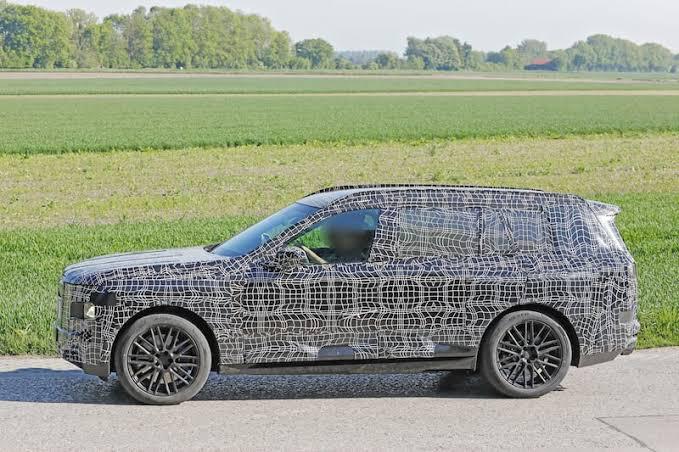
After 17 years, the four-door RS6 is returning in 2027 as a plug-in hybrid bruiser, filling the gap left by the now-defunct RS7.
Audi Sport has confirmed the RS6 sedan will return in 2027 with at least 700 horsepower, ending a 17-year absence that began when the V10-powered C6 generation ceased production in 2010.
The new RS6 will be offered as both a sedan and an Avant wagon. Both are coming to America, which is a small miracle given Audi's historical reluctance to sell fast estates stateside. The sedan variant fills the slot previously occupied by the RS7 four-door coupe, which has disappeared along with the entire A7 range.
It will be a plug-in hybrid. Yellow stickers on prototypes testing at the Nürburgring confirm it. The powertrain uses an updated version of the Porsche-derived V8 currently in the gas-only RS6, the same engine that appears in PHEV Porsches and Bentleys. Expect a few dozen miles of EV range, enough to make the official emissions figures look respectable and qualify for whatever tax credits are still standing in two years.
Seven hundred horsepower is the floor, not the ceiling. That figure is based on the current RS6 Avant's output, and plug-in systems tend to add power rather than subtract it. The V8 will do the heavy lifting, the electric motor will fill in the gaps, and the combined result will be enough to make the RS6 sedan faster than it has any rational need to be.
The last RS6 sedan was powered by a 5.0-litre V10 producing 572 horsepower. It was monstrously thirsty, unapologetically excessive, and arrived just in time for the financial crisis. Audi didn't bother with a sedan variant for the C7 or C8 generations, leaving the RS7 to cover four-door duties until that car quietly vanished from the lineup.
MotorBuzz TV all your favourite automotive publishers, YouTubers, channels and Podcasts. | Browse the full directory and follow the ones you enjoy.
Prototypes show functional vents in the front fenders ahead of the doors, 22-inch wheels, and the kind of wide-body treatment that has become standard on RS models. The new RS5, for reference, is over 1.5 inches wider than the regular A5. Expect similar proportions here.
The timing matters. By 2027, plug-in hybrids will be a harder sell in Europe as regulators tighten emissions rules and manufacturers push toward full electrification. Audi knows this. The RS6 PHEV is a transitional product, a way to keep the nameplate alive while buying time before the inevitable electric successor arrives.
Whether anyone actually plugs these cars in is another question entirely. PHEV ownership studies consistently show that many drivers treat the plug as optional, running on petrol most of the time and enjoying the tax benefits anyway. Audi will sell you a cable and wish you well.
The sedan's return also signals something about Audi's confidence in the RS brand's ability to support multiple body styles. The Avant has always been the icon, the car that justifies the RS6's existence. Adding a sedan variant suggests Audi believes there is enough demand, particularly in markets like America where wagons remain a niche taste despite enthusiast worship.
The C9-generation A6 debuted recently, and the RS6 will be based on that platform. It is not a small car. With 700-plus horsepower and a plug-in system adding weight, it will not be a light car either. Fast, yes. Efficient on paper, certainly. Light, no.
Audi has not confirmed pricing, but expect the RS6 sedan to slot in just below the Avant, which currently starts around £110,000 in the UK. Add hybrid complexity, and the final figure will likely creep north. Worth it? That depends on whether you need four doors or five, and whether you care about the distinction at all.
The debut is set for some point in 2027. No specific date yet, just the year. Prototypes are testing now, which means the development is well underway. By the time it arrives, the market for 700-horsepower plug-in sedans will either be thriving or extinct.
The yellow sticker on the rear window is a Nürburgring requirement for electrified vehicles, a warning to track marshals that high-voltage components are present. It is a small detail, but it confirms what Audi has been hinting at for months.
Sources: Audi Sport