r/largeformat • u/FilipFje • 3d ago
Question First photos problems

1/15s f/11,3
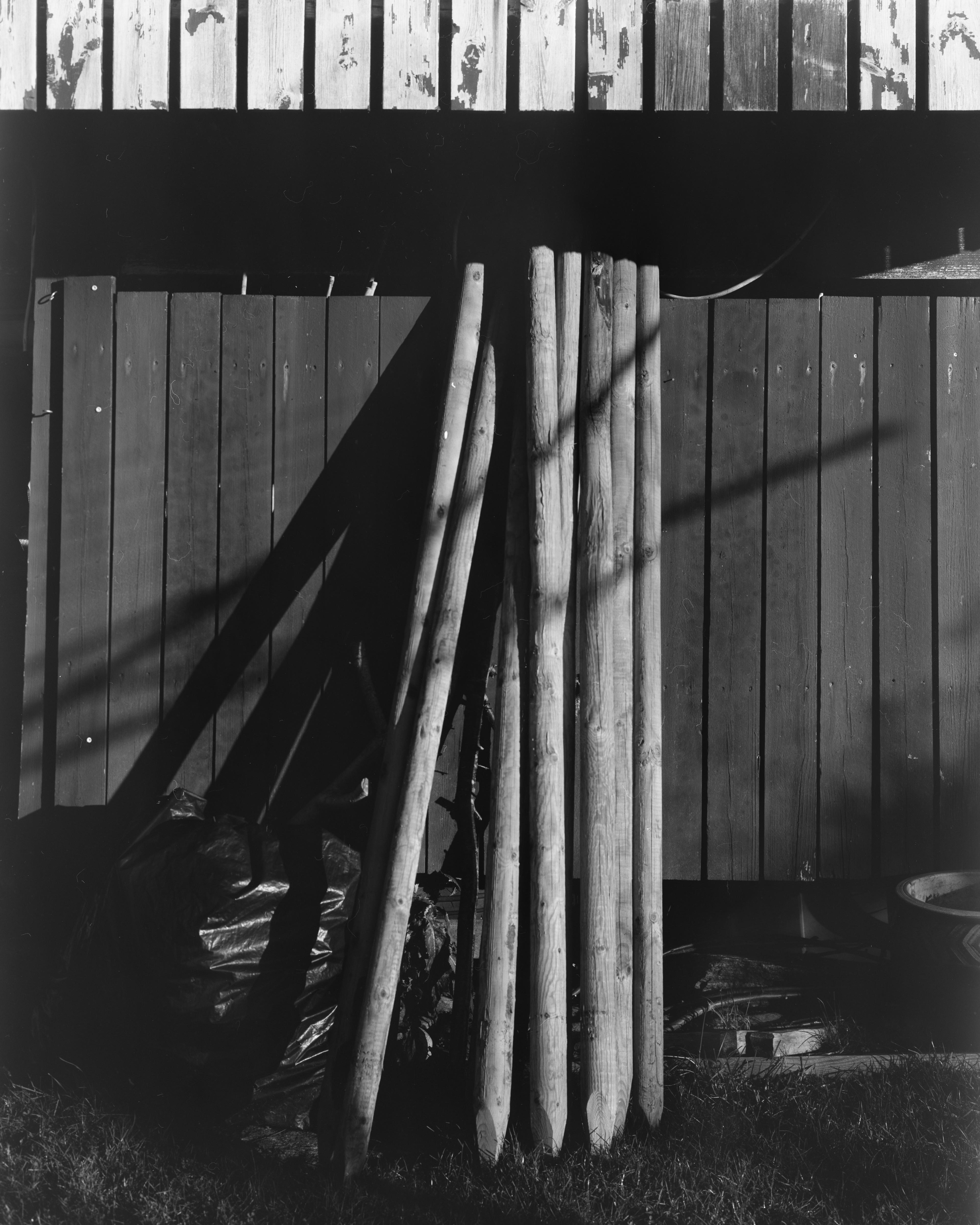

160mm bellows draw, measured from the middle of the lens board to the middle of back, basically by the graflok springs.
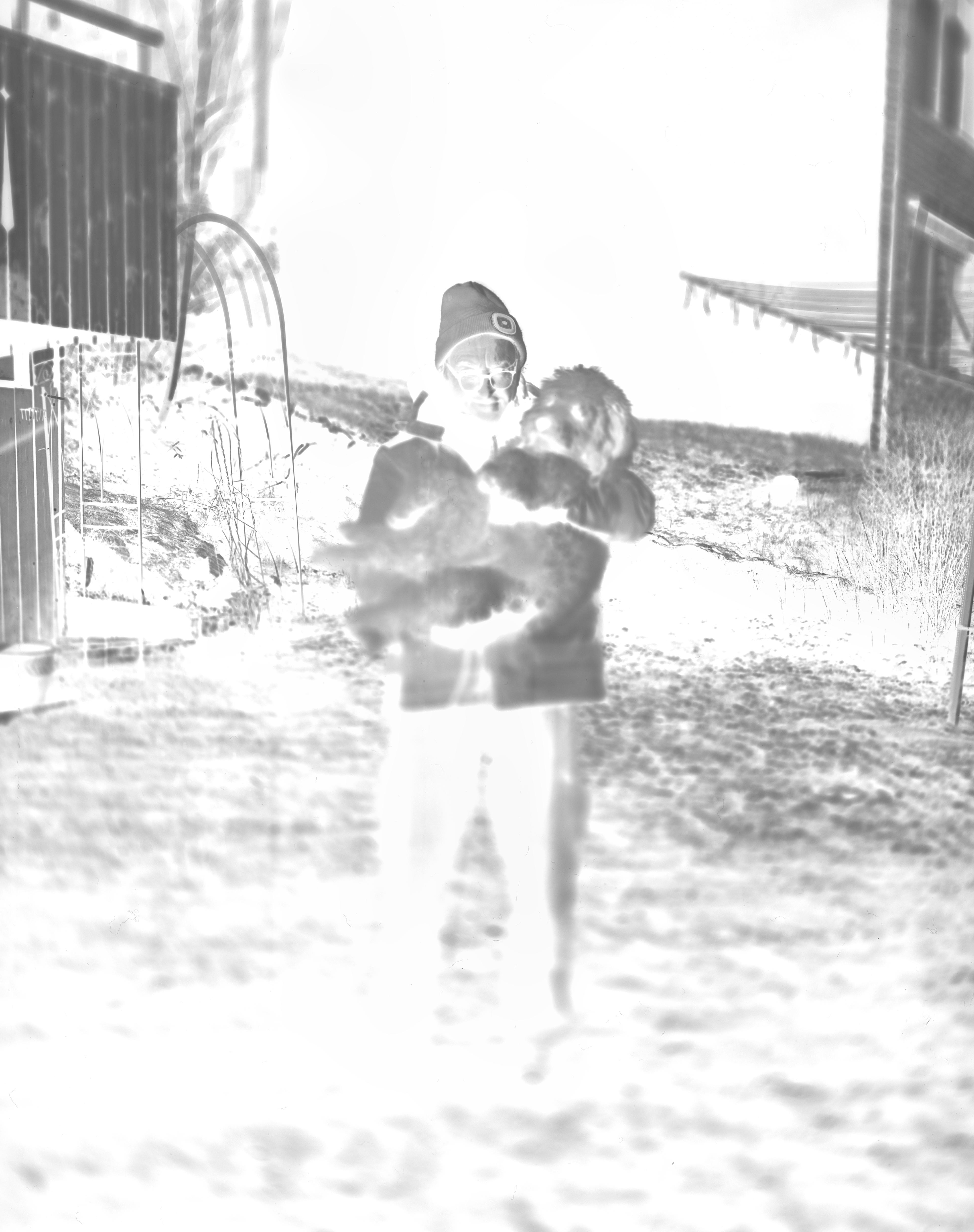
1/15s f/5.6
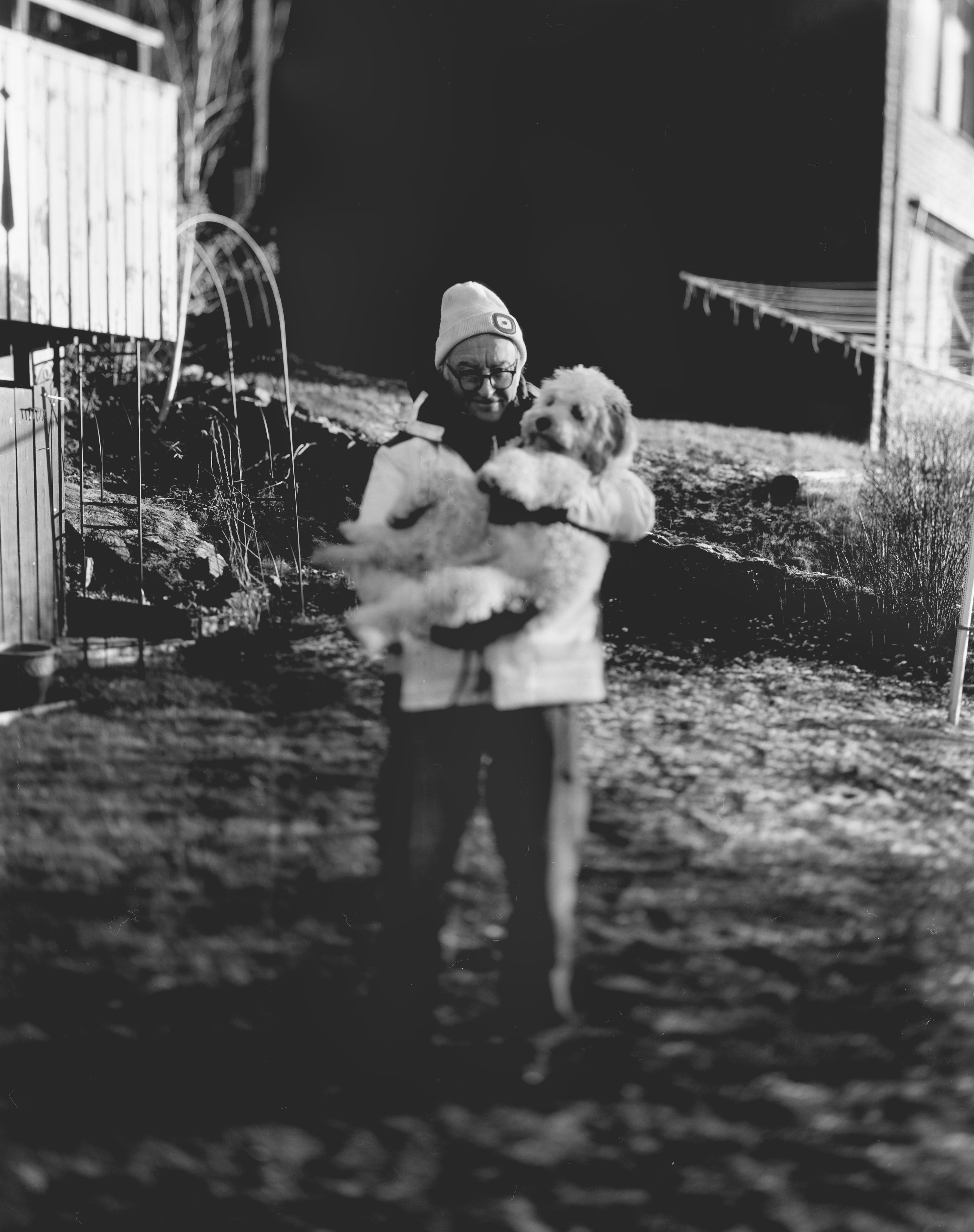

A little less than 160mm. I forgot to write it down, but the subjects were farther away

20 s (3min 50s with reciprocity) f/300
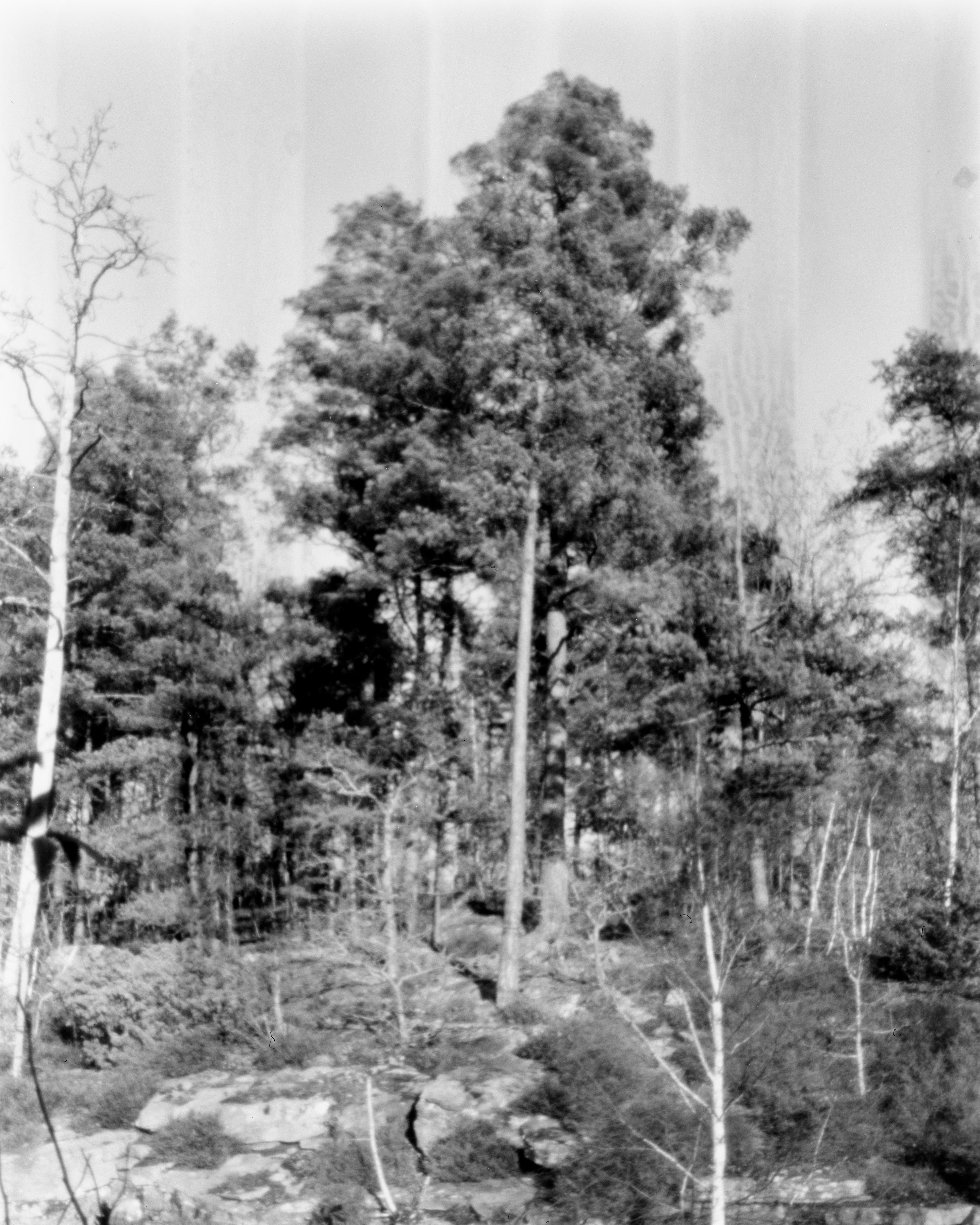
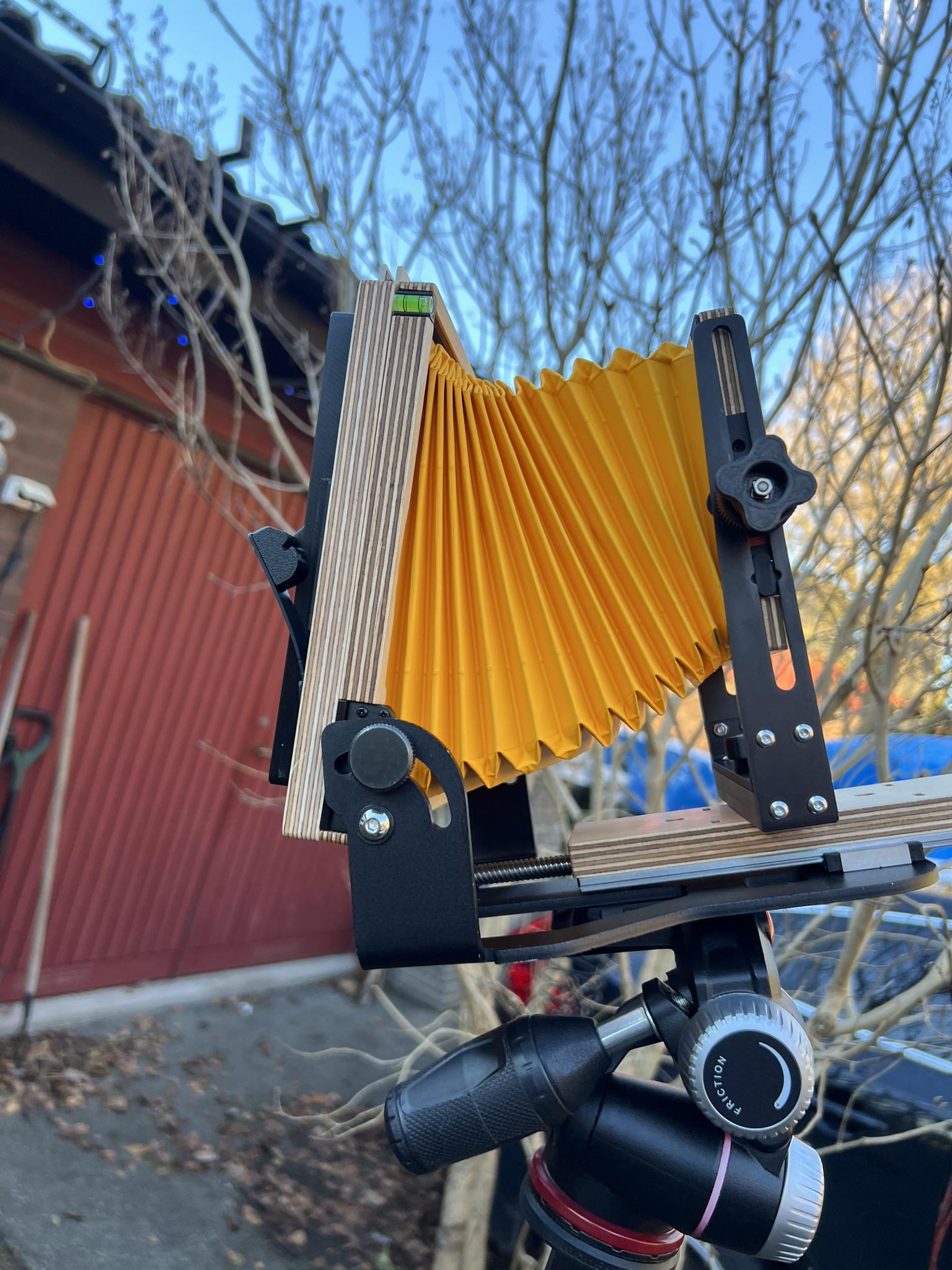
A little more than 150mm bellows here, I composed with my Rodenstock lens and then just switched to the pinhole.
I just shot and developed my first test sheets of 4x5, but there seems to be many things that are wrong with them technically. I don't mean compositions and the like since they were just test shots. The focus might have been missed since I dropped and cracked the ground glass right before going out to photograph -__-
The film is Fomapan 100 at EI 64 and developed with replenished Adox XT-3 (XTOL) for 3min 20s. The ei and development time I found by testing for zone 1 and zone 9. Lens for the first two pictures is the Rodenstock Sironar-N 150mm f/5.6 and the third picture is with a pinhole. I have attached a picture of the camera with movements from each frame.
The first two photos (taken with a lens) are really underexposed. On the first pic I placed the shadows on zone 3, but they seem to have landed on zone 0? First I thought it was because I forgot to consider the bellows factor, but when I measured the extension it was at 160mm which would make my factor ~1.138 which is barely a third of a stop. Did I measure incorrectly? Do you have to change where you measure based on the rear movements? In my case rear tilt.
On all photos, but most prominently on the last one, I have marks from my stearman press sp-445. It looks like the negative holders have imprinted themselves on the negative. What could have caused this?
So to summarize my questions are: 1. Why are the first two pics severely underexposed? 2. Why did the developing tank leave marks on my negatives?
11
u/pacific_tides 3d ago
It might be that the emulsion was on the inside. Spend some time with the holder and a developed shot and make sure it’s oriented the right way, remember which side the notch is on.
When it faces inside, it gets very little flow and the only chemicals it sees are trapped in those slots.
7
u/nibw43 3d ago
Seems like a few things are going on here.
I would suggest making a few more tests with consistent subject/lighting and bracket at least 3 exposures. Take notes on exposures and then process. 4x5 is such a large surface, and proper agitation is more necessary than with any roll film, especially in skies.
3
u/holdenmj 3d ago
I learned a great mnemonic from u/shaka1277 to stay out of “TRBL” in the darkroom, the notch goes Top Right or Bottom Left
2
u/bnkato 3d ago
As far as point 2 goes, did you have the emulsion facing outwards on the holders? My guess is they were backwards, so the emulsion touched the holders and not developer/fixer.
2
u/DemocraticBanana123 3d ago edited 3d ago
Others have corrected you on the film orientation, and that you may have been shooting through the back of the film. The could account for the darkened results, as less light gets in to the emulsion if you put the film in backwards (several stops worth), not to mention your plane of focus is offset.
Secondly, Foma 100 at EI 64, at 20 degrees C, is about 5 minutes for stock, unreplenished solution. I'd err on the side of a bit more density than too little. Not sure where you calculated 3m20s from. I generally refer to the massive dev chart as a sanity check, just to make sure I'm not too far off. And if I am, then to double check my process.
Third, here's a tip for the stearman tank:
If you have a 6 shot tank (3 slide trays in there), orient them so that the grab tab that sticks up from the tray alternates with its neighbor. For example, put them in Left-right-left, or right-left-right. The reason is that you can get surge marks if they're all in the same LLL or RRR orientation. Took me a bit to figure that one out myself.
2
u/rollopollo645 3d ago
As you wait for a replacement ground glass, you might be able to tape the one you have together with clear package tape. Cut some thin strips, do both side of the glass. There will be plenty of untaped places to focus, and you'll be able to compose just fine.
Basic, simple guide to view camera movements: Front for focus, rear for shape. As a starting principle. But I'm with the others- don't do swings and tilts, front or back, at first. Zero out the camera and save that for later. Lots of things to overthink with a view camera, but at the end of the day it is a simple box with a lens at one end and film at the other. Treat it like a box camera at first.
2
u/wikhasi 3d ago
As others have already pointed out (and which has likely made it difficult to focus correctly) rear movements are better controlled once you’re confident with front standard movements.
I agree that it looks like your development has some surge marks from inconsistent agitation.
Something nobody else has said, but is certainly my opinion, is I’ve found FOMA films to have a narrow latitude, an unreliable ISO rating, and are just generally quite unforgiving.
When I was testing the Super 120 system I used FOMA 400 because it was so cheap- but metered it at ISO 50 to get consistent and nicely exposed results.
I think I this emulsion may also factor into your problems- if you can, I’d recommend testing your camera with something neutral with wide latitude like Ilford HP5.
Good luck with your LF journey though, it’s a steep (and constant) learning curve but so rewarding when you master it!!
2
u/Proteus617 2d ago
Also, to hell with the zone system (mostly). Think about 5 (or 7) stops. Use your spot meter to figure out where your middle gray is, take notes, expose for that. Check your negatives. Consistently too dense or thin? Adjust your development times. Throwing too many variables at the wall all at once is asking for confusion and trouble.