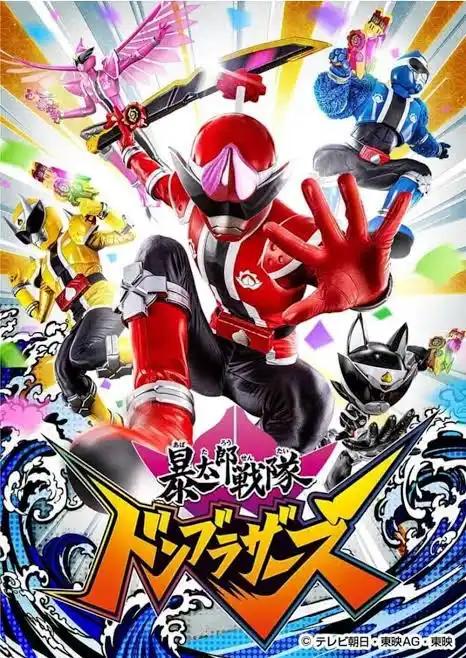
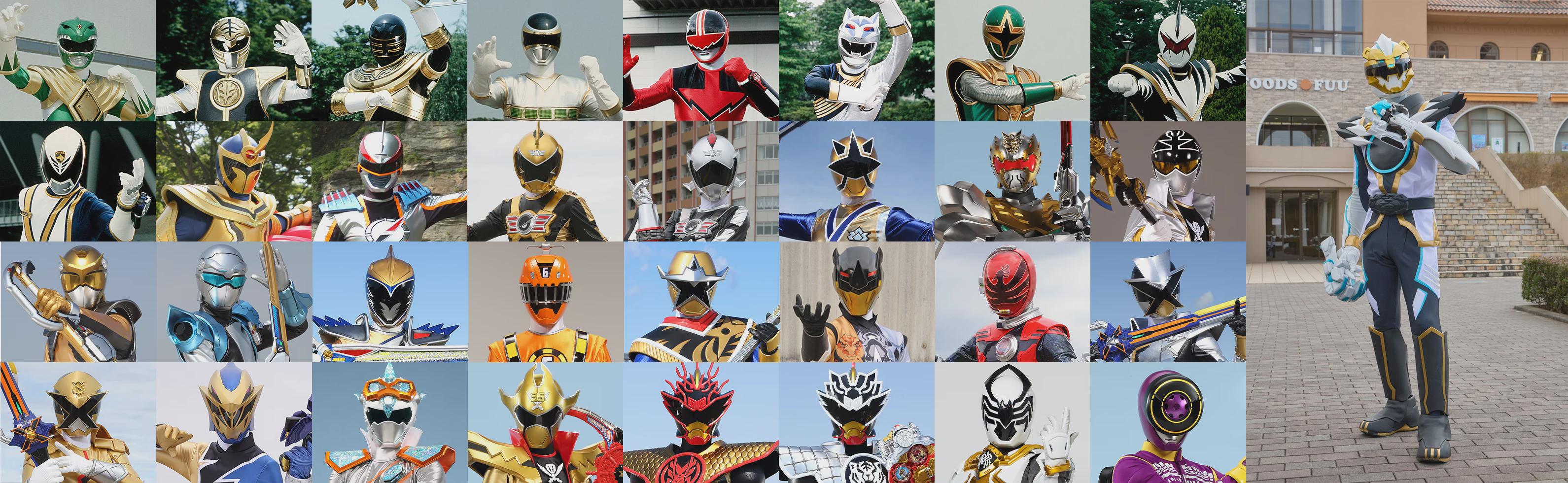
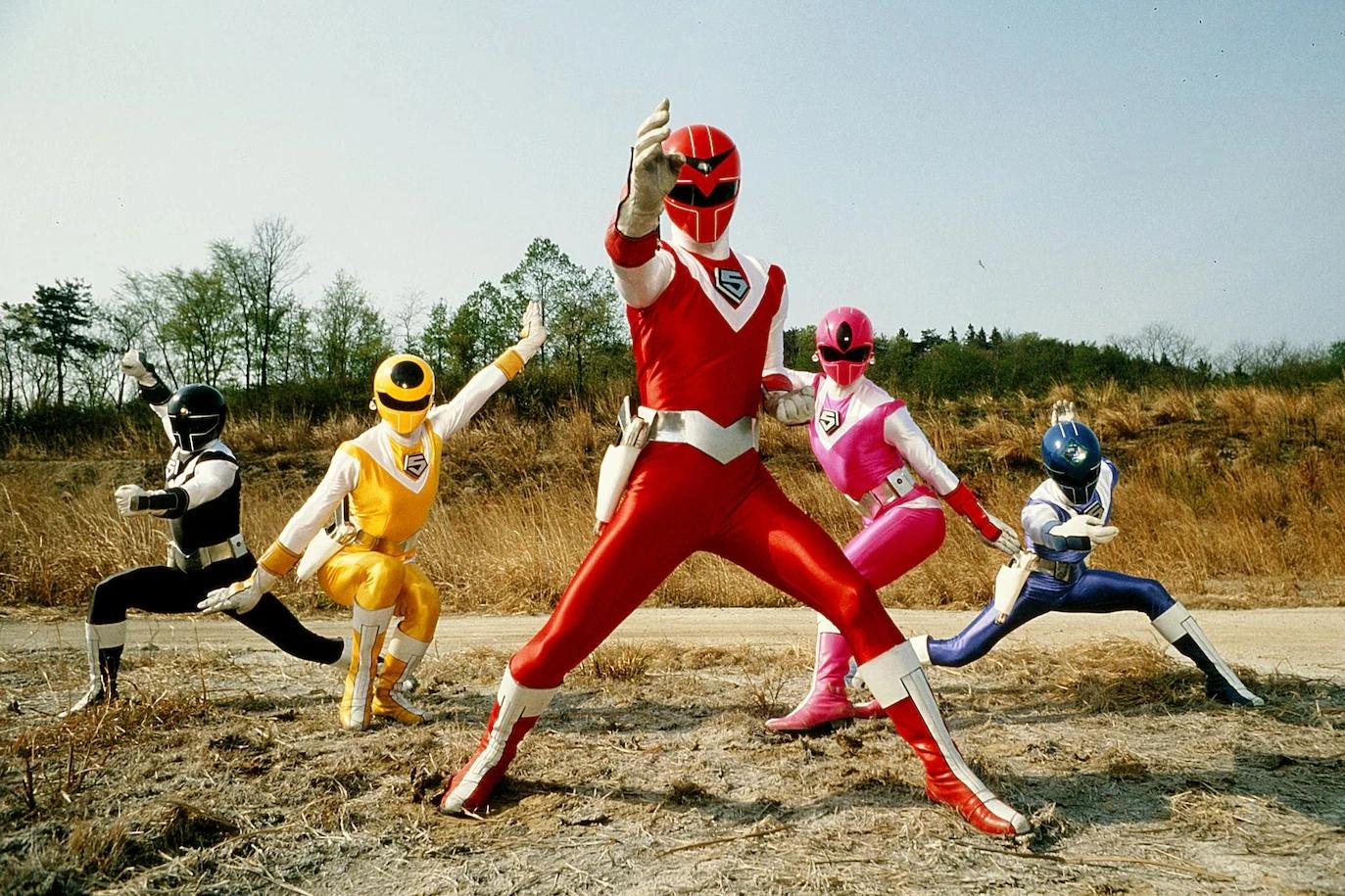
One thing Shirakura discusses in Super Sentai Never Ends is the concept of the "Virtual Sentai Prototype": the image that everyone has in their heads of an "ideal" or "correct" Sentai series that, nevertheless, doesn't actually fit any single season.
This image gave Super Sentai a kind of resilience, but it had its drawbacks. Any time the series pitched a curveball like Kyuranger or LuPat, both viewers and the staff could appreciate the novelty, but most people just see something "different", not something "new".
Since that image is ingrained in Japanese culture, it's pretty easy to make parodies and have what you're doing come across clearly. To the general public, a new Sentai series on TV isn't appreciably different to a generic hero show outside city hall.
Shirakura doesn't mention them, but you can definitely imagine that there's money to be made playing towards that image with recent anime like Love After World Domination, Loser Ranger, and Isekai Red.
The Virtual Sentai Prototype is the mold the series is cast in, and the while the boundaries of that mold can occasionally be stretched, it always returns to normal (see how Kyuranger and LuPat were followed by "traditional" seasons like Ryusoulger and Kiramager).
Kamen Rider's public image is far less rigidly-defined, and has led to great success for various reasons, but Shirakura believes this was possible due to Rider's hiatus in the 80's and 90's.
When Rider re-launched in 2000 with Kuuga, the subsequent series were fraught with varying intent (Ryuki and Hibiki weren't even initially pitched as Rider series), but by Decade in '09, the approach to making Rider solidified and the franchise's success took off like a rocket.
Since Rider doesn't have a rigid formula, new series are able to experiment and develop devoted followings that last even after the show leaves television. Every season thus contributes to a robust back-catalog. Shirakura describes this as Rider "building depth".
By contrast, in his words, Sentai "gets overwritten". Every year, the previous series is replaced by a new one that fits within the same framework, and that cycle became an expectation of both the viewers and the production crew.
Sentai was stuck in a double bind. The one-year cycle made the franchise's success highly reliant on whatever series was running at the time, and meanwhile, Rider's expanding success was eating into Sentai's audience share.
While Sentai's image is reliant on that virtual prototype that no show actually fits, the opposite is true for Power Rangers. For better or worse, to the public, the rights-holders, and the people producing the show, Power Rangers *is* MMPR.
Sentai's ability to take on new challenges was hampered by Power Rangers' conservatism (in addition to its own conservatism), but Toei didn't want to break that relationship off, since that would sever a useful base of international success.
Hasbro choosing to end Power Rangers wasn't the match that lit the fire of Sentai going away; it was more that Sentai was already on fire and Hasbro added fuel to it.
At this point, Toei had seen that it was impossible to make a series that would save Sentai from inevitable downfall, but around 2023, top executives at Bandai and Toei met to discuss concrete plans for what to do.
Shirakura speculates that Bandai wanted an IP that they could expand internationally after losing access to producing Power Rangers toys when Hasbro bought the rights. It's definitely more complicated than that, but it lined up well...
...because Toei had recently published a mid-to-long-term plan for international expansion of their own IPs.
With Sentai on life support, Toei went along with Bandai, and set up a plan to suspend the series at the end of fiscal year 2025.