Five years ago, when she was 19 years old, Lexi Hawk bought her dream home in Niagara, New York, for $129,000. The little blue ranch sat on an acre of land with surrounding trees, a nearby creek, and bluejays and cardinals she would feed peanuts to. This would be her forever-home, she thought, and never anticipated that she would find herself owning a house contaminated with radiation, living in a stranger’s home, and celebrating the holidays there. “At my old house, I already had my Christmas tree up last year around this time, and I was so excited for it,” she told me. “This year, I don’t have anything up. It’s so weird being in someone else’s house.”
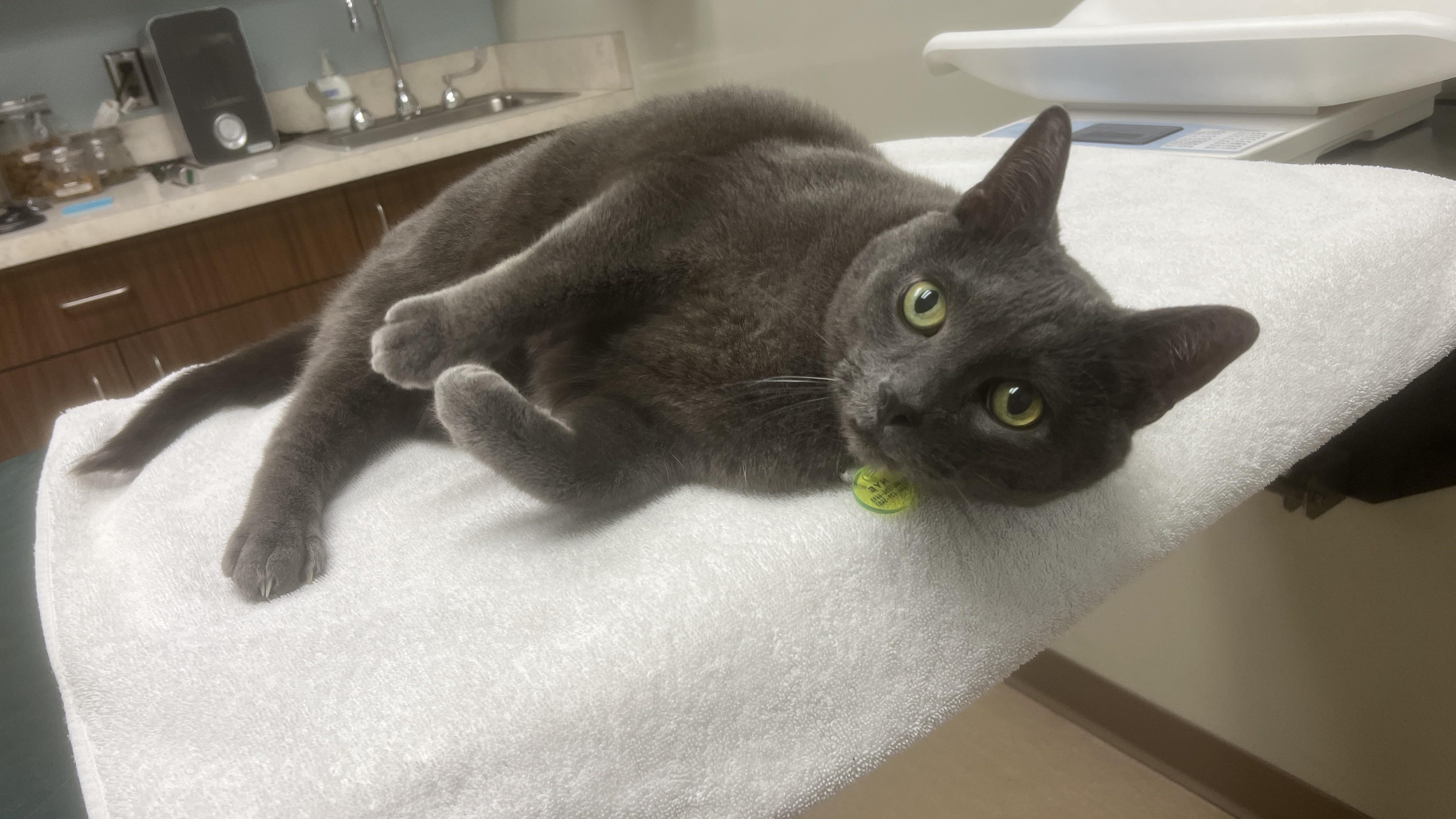
Lexi, her fiance Trevor Bradley, and Bailey are one of four Niagara families who were relocated into temporary housing by the NYS Department of Conservation (DEC) and the Environmental Protection Agency during an ongoing investigation into industrial radiation contamination in New York’s Niagara and Erie counties. After having to uproot her family and pets, and bringing only their most necessary possessions, the reality of the situation has caught up with Lexi. “I think it’s really starting to hit me now,” she said. “Being out of that house, it’s finally like, ‘oh my gosh, are we ever going to go back there?’”
In March, over 100 households across Niagara County received a joint letter from the EPA and the DEC that radiological surveys had identified high levels of hazardous contamination on their properties, which they suggested originated from a “hub of manufacturing of atomic weapon components during World War II and other industries using or producing radiological materials.” According to the DEC’s Niagara and Erie County Radiological Assessment dashboard, the investigation is “being performed out of an abundance of caution” for residents. In an emailed statement to Mother Jones, an EPA public affairs director wrote, “The scope and complexity of this comprehensive radiological assessment across Niagara and Erie counties are unprecedented in the United States,” but the agency does not believe the levels “constitute a public health emergency.”