r/AskVetAnimals • u/ranchrice_ • 6m ago
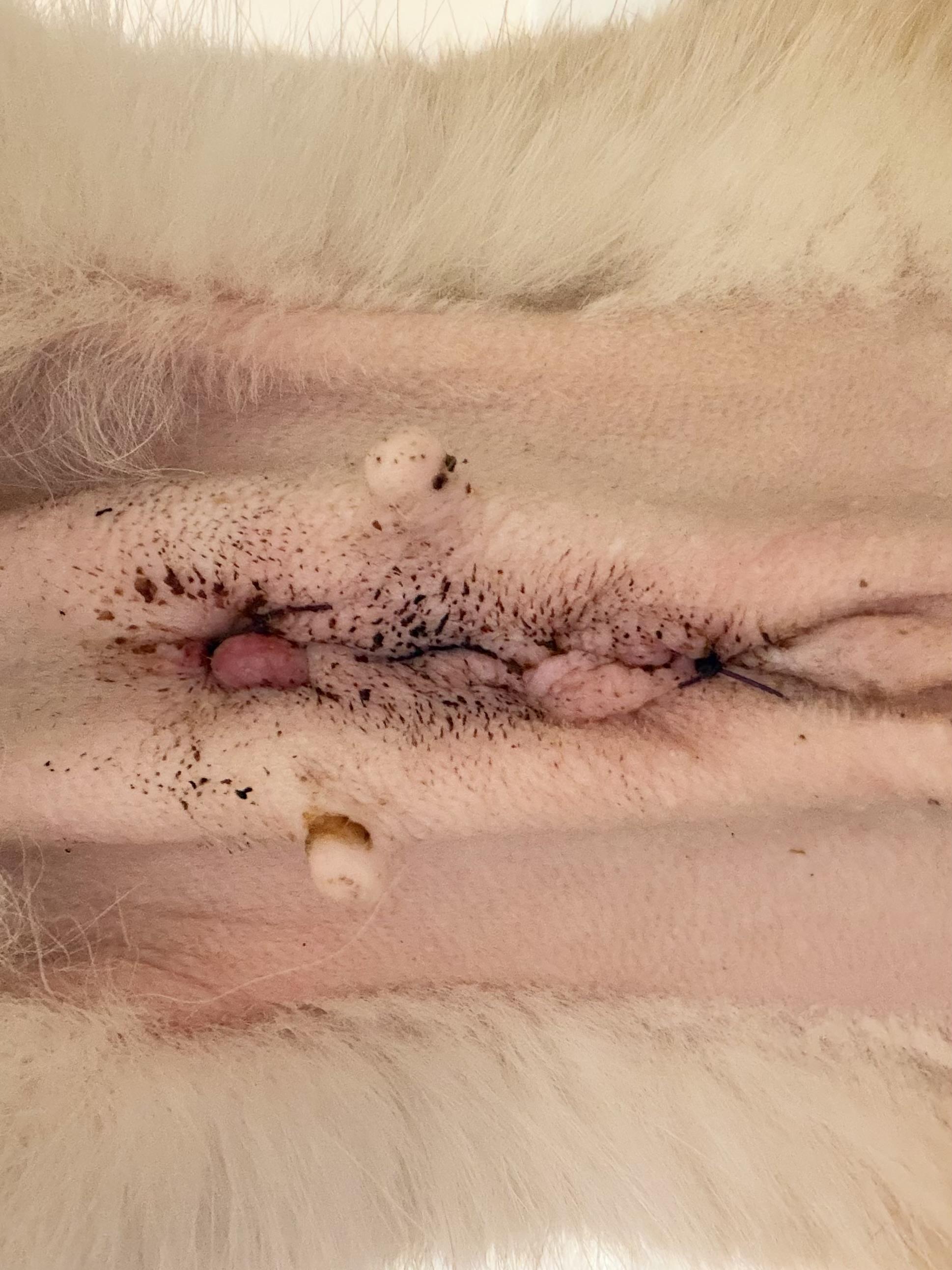
will this be okay?

1
Upvotes
r/AskVetAnimals • u/IllustriousDonut9682 • 2h ago
r/AskVetAnimals • u/finn13_hayes • 3h ago
First time dog owner here. My border collie keeps getting red itchy patches on her belly and paws. Our vet recommended trying a shampoo with chlorhexidine and ketoconazole. Found Mav and Charlie cleansing shampoo on Heartland and thinking of ordering it. Would love to hear from anyone who's tried this one or has other chlorhexidine shampoo for dogs recommendations. Also open to alternatives if you've had better luck with something else.
r/AskVetAnimals • u/Volleyball1978 • 6h ago
r/AskVetAnimals • u/Trevorsawyer-4018 • 6h ago
my goldie has always struggled with hot spots but lately they're getting worse, especially in colder weather (also he gets older) met another retriever owner at the park who suggested trying medicated shampoos for dog hot spots treatment. I googled a bit and found mav and charlie shampoo on heartland (never heard of them before unlike brands like douxo or vet formula so not sure what to think)
Would love to hear if anyone's had luck with it or found the best medicated dog shampoo for recurring hot spots. Mostly wondering if shampoos actually help long term or just give temporary relief. Thanks in advance.
r/AskVetAnimals • u/ResearcherMission586 • 15h ago
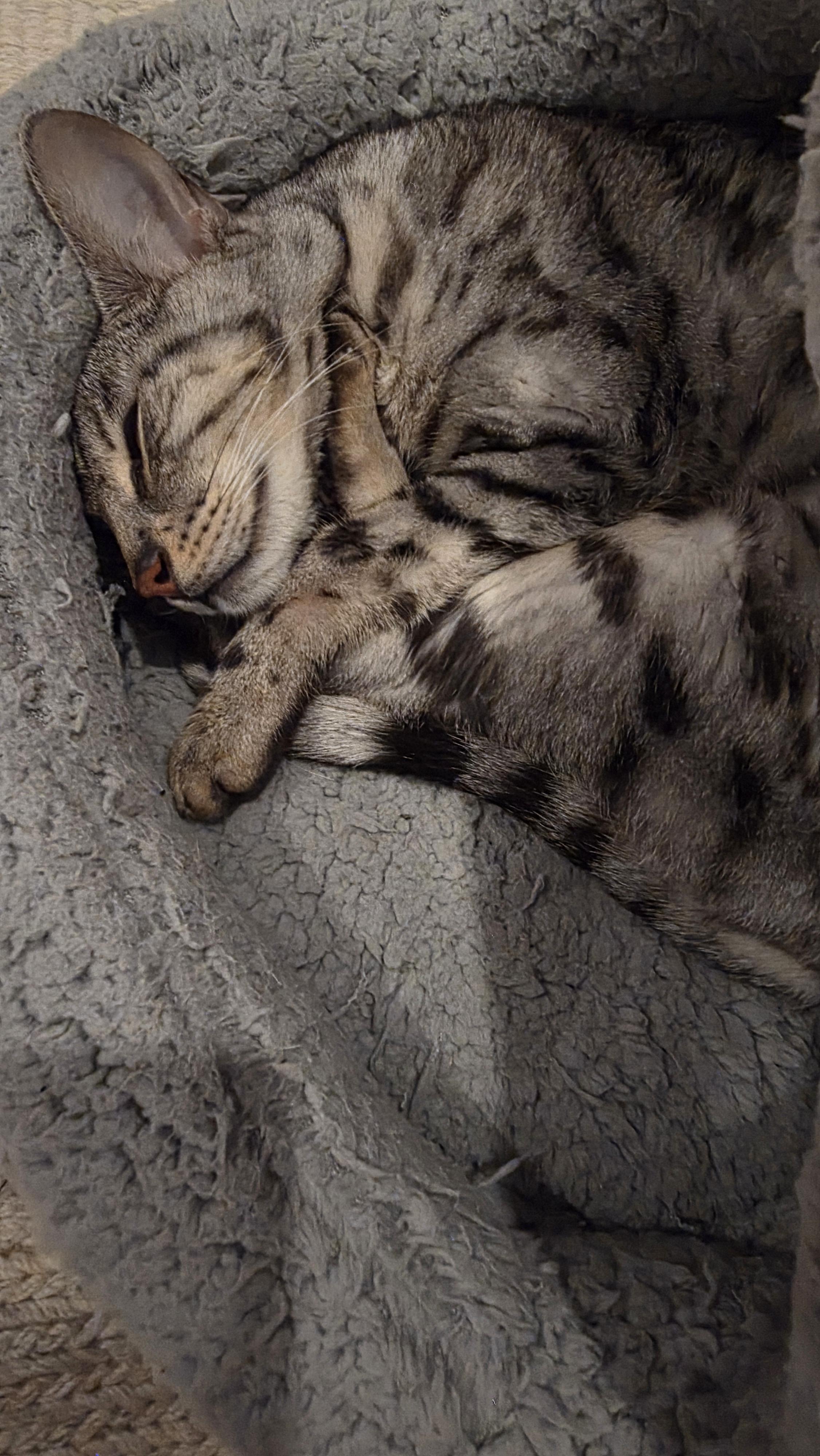
Sharing Elsa's story in case it's helpful for other vets and specialists. She developed severe kidney disease at a very young age, and after months of focusing on suspected FIP and 30 days of GS-441524, we decided in September to stop pursuing that approach and focus on supportive kidney care with our regular vet. With fluid therapy and supportive management, her weight finally stabilized and her creatinine started coming down (from 663 to around 430 µmol/L). We still don't have a definitive diagnosis, but an immune-mediated kidney condition has been a major concern consideringall the symptomsdeveloped after her vaccination. I'd really appreciate hearing from vets who have experience with similar cases, especially young cats with severe renal dysfunction but relatively normal kidney ultrasound findings.
r/AskVetAnimals • u/Puzzleheaded_Bug589 • 17h ago
I’m looking for veterinary perspectives on my 5 month old, female, unspayed Ragdoll kitten. She weighs approximately 3.5 lbs (1.6 kg). Her symptoms began suddenly approximately 36 hours ago, and we have not yet received a definitive diagnosis.
We are currently at a standstill because we cannot determine whether her respiratory symptoms are primarily stemming from a pulmonary condition or a cardiac condition. Further diagnostic testing has not yet been performed, and we are hoping to get some additional veterinary perspectives on the findings and potential treatment options.
Clinical presentation
Sudden onset of rapid breathing approximately 36 hours ago.
Respiratory rate has been consistently around 80 breaths per minute, including at home.
One lower measurement was recorded at the veterinary clinic around the time Lasix was administered. This was an isolated reading and did not represent a sustained improvement.
She has become noticeably more withdrawn than usual and sometimes isolates herself.
She is not truly lethargic and remains interactive when approached.
Eating and drinking intermittently, but significantly less than her normal appetite.
Still willing to play and accept affection.
Otherwise presents relatively well clinically.
No coughing, sneezing or obvious upper respiratory symptoms.
Examination findings
Temperature: 38.1°C.
Heart rate: 120 bpm.
Respiratory rate: consistently approximately 80 breaths per minute.
No murmur or gallop detected on cardiac auscultation.
Pulse oximetry was not attempted because the veterinarian felt her darkly pigmented ears would prevent a reliable reading.
Background and exposure history
Fully vaccinated.
Exclusively indoor cat.
Has lived with us for over two months.
Lives with one other cat and one dog, neither of whom has shown any symptoms.
No exposure to animals or people outside the household, other than routine veterinary wellness visits.
No known recent contact with unfamiliar cats or other animals.
Thoracic radiograph findings
Moderate-to-severe diffuse bronchointerstitial to alveolar pulmonary pattern affecting all lung lobes, more pronounced in the mid-to-dorsal regions.
Mild generalized cardiomegaly, VHS 9.0 (reported reference normal <8.1).
Pulmonary vessels borderline effaced, limiting assessment.
No pleural effusion.
No enlarged intrathoracic lymph nodes or mediastinal abnormalities.
Radiologist’s differential:
Chronic lower airway disease, potentially infectious, irritant-related or allergic, with secondary bronchopneumonia.
Cardiogenic pulmonary edema/left-sided congestive heart failure.
The radiologist suggested empirical treatment for lower airway disease and pneumonia, with repeat thoracic radiographs to monitor response. An empirical diuretic trial was also suggested as a way to investigate possible cardiogenic pulmonary edema.
Emergency assessment and treatment
Examined by an emergency veterinarian.
Two rounds of furosemide administered.
Respiratory rate has remained consistently around 80 breaths per minute. There was one isolated lower measurement at the clinic around the time of Lasix administration, but no meaningful or sustained improvement.
The emergency veterinarian described her breathing as tachypnea rather than necessarily labored.
No confirmed cardiac diagnosis; no murmur or gallop heard on auscultation.
Received an injection of cefovecin (Convenia).
No take-home medication was prescribed.
Bronchodilator and inhaled steroid were declined by the emergency veterinarian because of concern about possible cardiac disease.
Bloodwork was not performed at the emergency clinic. The veterinarian advised that her regular veterinarian should perform it at the follow-up appointment tomorrow.
She was discharged home because the emergency clinic does not provide overnight hospitalization. There are no local veterinary facilities offering overnight hospitalization or oxygen therapy.
Questions for veterinary professionals
What would be your leading differential diagnoses given this radiographic pattern, sudden onset and clinical presentation?
Given that her respiratory rate has remained consistently around 80, with no sustained improvement following two rounds of furosemide, how much does this reduce suspicion of cardiogenic pulmonary edema?
Would you consider doxycycline or another antibiotic for possible Mycoplasma pneumonia or other lower respiratory infection, given that cefovecin does not cover Mycoplasma?
Would an inhaled corticosteroid or another treatment for airway inflammation be reasonable?
What bloodwork would you prioritize?
Is there anything in these findings that strongly suggests cardiomyopathy, or is the mild cardiomegaly insufficient to establish that?
Given her young age and sudden onset, what acute and potentially reversible pulmonary conditions would you prioritize investigating?
Are there other conservative treatment options worth considering while the underlying cause is being investigated?
Are there particular infectious or inflammatory conditions that could cause this presentation in an otherwise healthy, fully vaccinated indoor kitten?
Additional context
We are in a rural area with no 24hour emergency hospital or local oxygen capability. She has been discharged home without being stabilized, and we are following up with her regular veterinarian first thing tomorrow.
We are trying to pursue reasonable conservative treatment and targeted investigation. We would particularly appreciate input from veterinarians experienced in feline respiratory medicine or internal medicine.
Our primary concern is determining whether this could be an acute, reversible pulmonary condition rather than an underlying lifelong cardiac condition, and what reasonable diagnostic and treatment steps should be prioritized next.
r/AskVetAnimals • u/Ok-Aardvark8070 • 19h ago
r/AskVetAnimals • u/AnxiousRaspberry9879 • 19h ago
r/AskVetAnimals • u/ap011o_ • 19h ago
r/AskVetAnimals • u/MeowyPoco • 22h ago

r/AskVetAnimals • u/ejohnson186 • 22h ago
Hello- I apologize if this is not appropriate to post here, but I am hoping for some clarity.
I made the decision to euthanize my beautiful soul dog Mia in July this year. I won't get into all the details here (I have more detailed posts about the circumstances surrounding her death on my profile if you would like to see more information). She was 13 and had lymphoma that had taken over her lungs pretty severely. I made the decision to euthanize her much sooner than I anticipated and ended up scheduling it for same day instead of a few days out as I thought I would. Of course I know guilt about the decision to euthanize is very common- and I also know no one can tell me with any certainty if it was the "right" time.
However, there is one certain aspect of her situation that causes me a lot of doubt and I am hoping to get some more information from a professional. There were many factors that influenced my decision, but a big part of why I made the call I did is because her appetite for her normal food was completely gone that day. Her appetite had decreased little by little since she started on prednisone 5 days before her death and she was experiencing a lot of vomiting and nausea. The night before her last day she started on cerenia- and the morning of her last day she had no appetite and just laid by her bowl looking very nauseous. That on top of everything else she was going through influenced me to make the call to end her life. However, once she had her euthanasia appointment set and we began to spoil her with all of her favorite treats she perked up so much and enjoyed them all eagerly (though she still never went back to eat her kibbles, which she always enjoyed throughout her life).
So long story short, I'm wondering if it's normal for a dog that's near the end of their life to not eat their normal food but still eat treats. Was I right to think that her having none of her normal appetite meant that greater suffering was coming soon? I have so much fear that I was too hasty and should have helped her through that bad day to maybe have more time with my precious baby instead of just taking her life. Thank you for any insight you can give me, one way or another. I appreciate your time, honesty and expertise.
r/AskVetAnimals • u/Upbeat-Light4052 • 1d ago
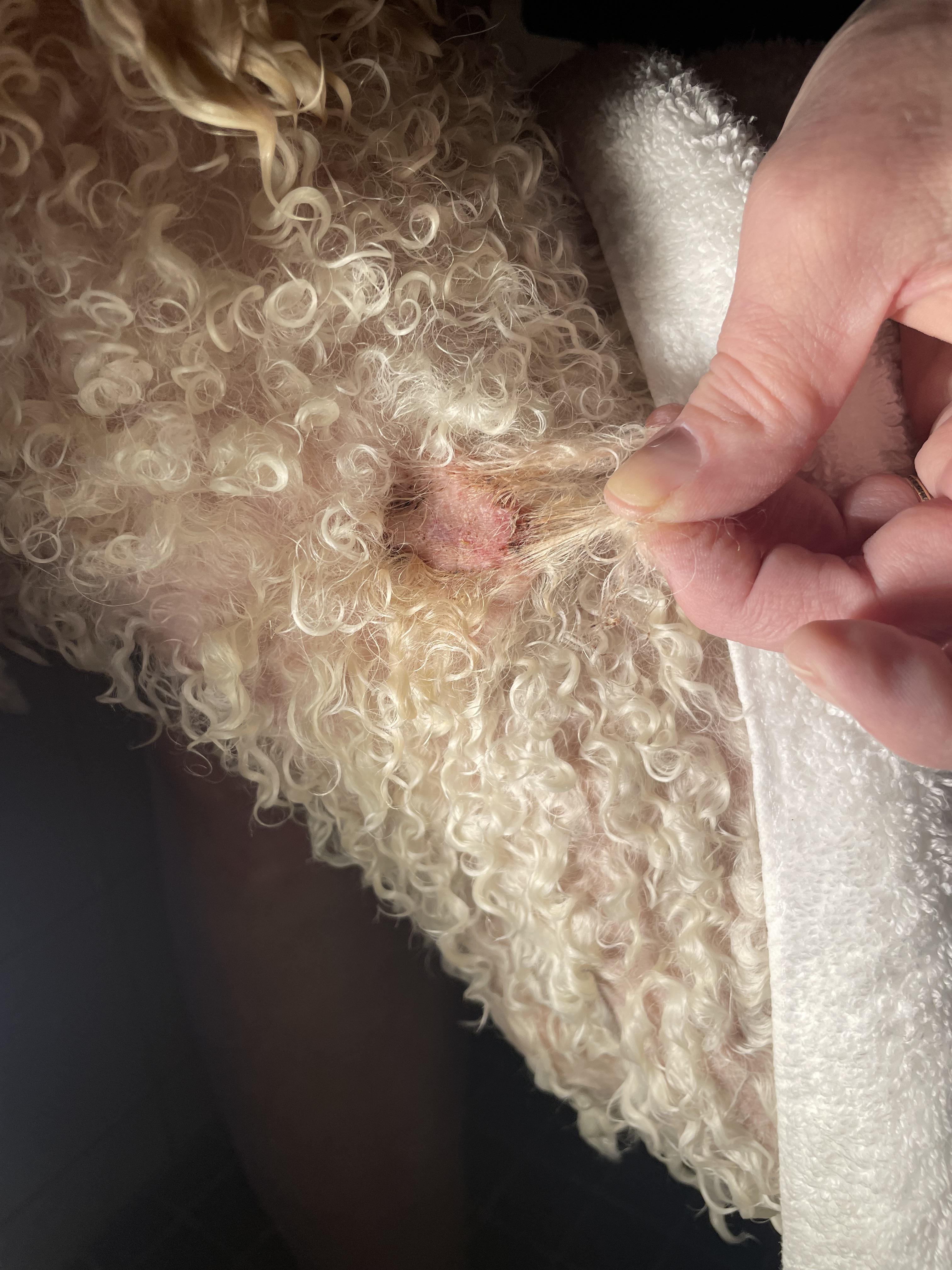
Suddenly discovered during bath. Hair gone, scaly around edges, hair falling out as it spreads. This is lower neck. What the heck.
r/AskVetAnimals • u/Specific_Purchase831 • 1d ago
Hi everyone!
I’m looking into the PETKIT Purobot Ultra, a self-cleaning litter box that uses a camera to take photos of cats’ stools and provides AI-based stool analysis and health monitoring.
I’m wondering whether anyone here has experience with this device or similar technology.
Are the photos detailed and clear enough to actually assess stool consistency, colour and potential abnormalities? Could these images be useful for a veterinarian when evaluating a cat’s health, or are they generally too limited to provide meaningful medical information?
I’d be particularly interested in hearing from veterinarians who have worked with these kinds of images or monitoring systems.
Thank you! 😊