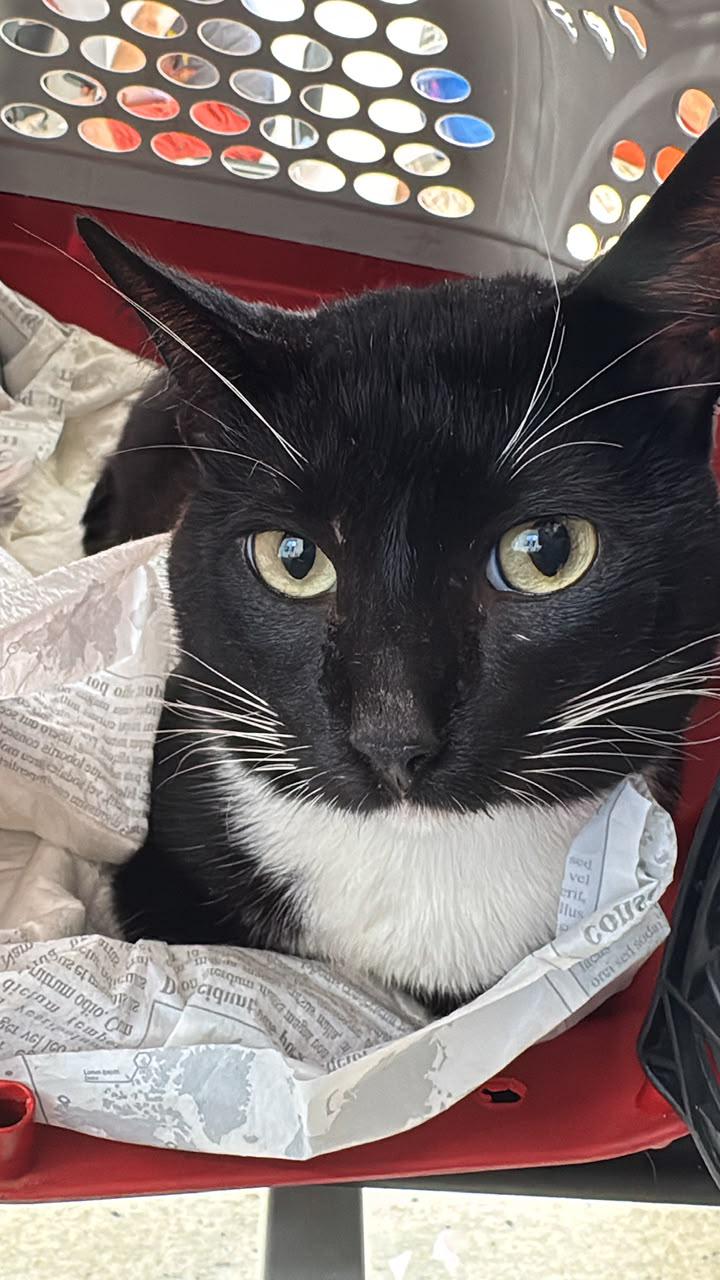
First, thank you to everyone who followed Elsa's story, shared their experiences, offered advice, and supported us. I wanted to share a detailed update on Elsa, especially for veterinarians, internal medicine specialists, and anyone who has experience with severe kidney disease in young cats.
A little background
Elsa is a young Bengal. She got her vaccines at the age of 16 months, then she started losing weight until at around 21 months old, she developed severe kidney dysfunction. What followed was months of investigations, specialist consultations, different treatment approaches, and an incredibly stressful journey.
Unfortunately, I also have some serious concerns about how her case was initially managed by the internal Meds.
Elsa started losing weight, drinking excessively, and urinating much more than usual.
Her initial bloodwork was alarming:
Creatinine: 663 µmol/L
BUN: 40.4 mmol/
Globulin: 66 g/L
A/G ratio: 0.5
Significant proteinuria
Progressive anemia
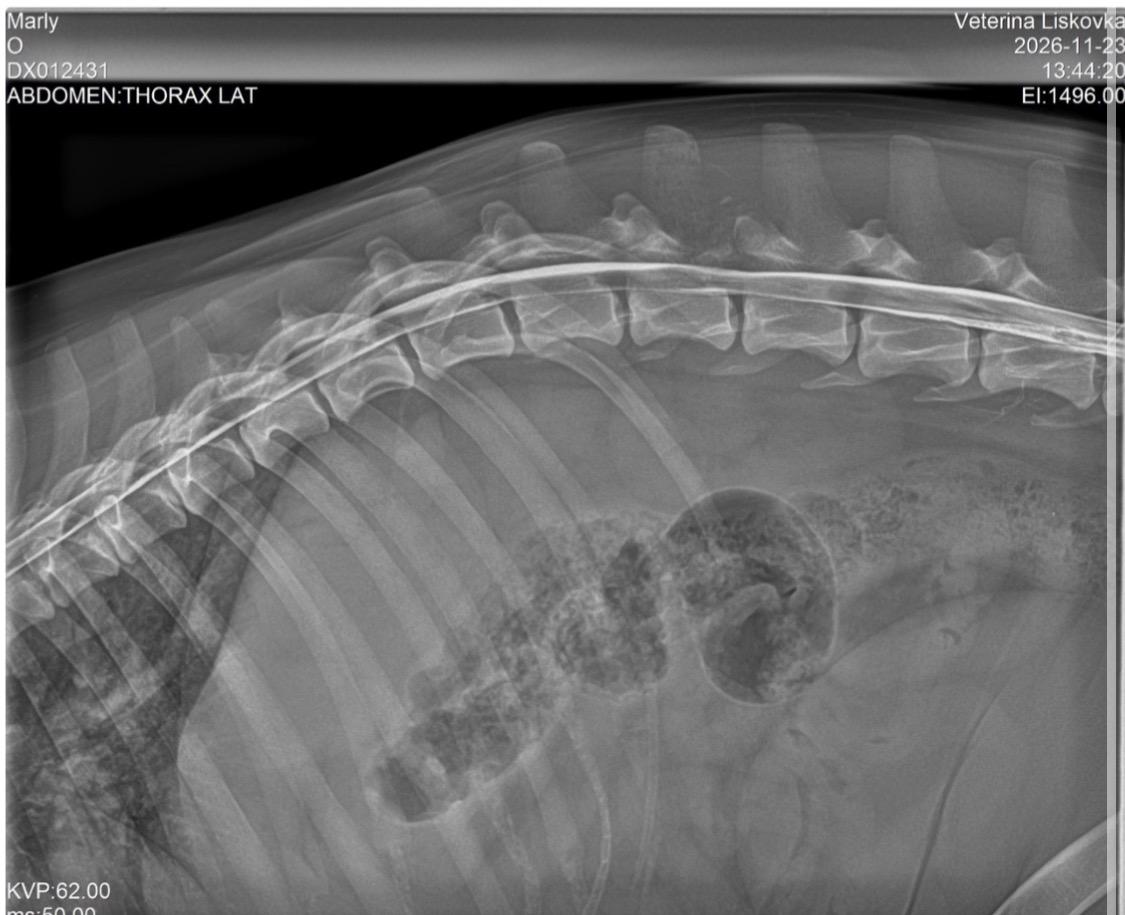
What made her case particularly unusual was her ultrasound. Both kidneys were relatively normal in size and had preserved architecture, without obvious structural abnormalities.
Because of her elevated globulins and low A/G ratio, dry FIP became the primary suspicion.
2. The 30-day GS-441524 treatment
We started GS-441524 and followed the treatment plan for 30 days.
Some blood values improved during this period. Creatinine dropped from 663 to approximately 519 µmol/L, and BUN also decreased.
However, the overall clinical response wasn't convincing enough to establish FIP as the diagnosis.
Other possibilities, particularly immune-mediated kidney disease, started becoming increasingly relevant.
Conditions such as immune-complex glomerulonephritis and other immune-mediated inflammatory kidney diseases were discussed.
We began questioning whether an underlying immune-system disorder could be responsible for the damage to her kidneys.
3. September: The turning point – We walked away from the specialist approach
By September, we had reached a point where we no longer felt comfortable continuing down the same path with the internal medicine specialists.
Their recommendation was to continue GS-441524 for a total of 80 days, or proceed with an invasive kidney biopsy under general anesthesia to obtain tissue samples.
We were facing two difficult options:
-Continue antiviral treatment for another 50 days despite the lack of a convincing response.
-Put an already critically ill cat under general anesthesia for a kidney biopsy.
We decided not to pursue either option at that time.
We stepped away from the internal medicine specialists and continued working with our regular veterinarian.
Instead of continuing to chase the FIP diagnosis, we shifted our attention toward supportive kidney care, including fluid therapy and managing the complications of her renal disease.
And this is where things finally started to change.
Her weight stopped dropping and stabilized. Her creatinine started coming down, eventually reaching approximately 430–440 µmol/L.
For the first time in months, we felt that we were moving in a more positive direction.
I'm not claiming that fluid therapy cured her kidney disease, or that we can prove exactly why her values improved. But the timing was significant to us, and it made us question whether our focus should have shifted to kidney management much earlier.
4. The immune-system question
One of the biggest unresolved questions remains the possibility of an immune-mediated disease. Especially as all these symptoms and weight loss started right after her vaccines.
Given her age, severe renal dysfunction, and relatively normal kidney architecture on ultrasound, we believe an immune-mediated process deserves serious consideration.
Unfortunately, without a kidney biopsy, we cannot identify the exact underlying pathology with certainty.
But I still wonder whether more attention to this possibility, and earlier kidney-focused management, could have made a difference.
5. The anemia and other complications
Elsa also developed significant non-regenerative anemia.
Her hematocrit dropped to approximately 23%, adding another serious complication to her already difficult condition.
We discussed and pursued treatment options, including darbepoetin, to stimulate red blood cell production.
Nutrition, hydration, phosphorus management, nausea, and maintaining her weight also became major priorities.
6. Where Elsa is today
Her creatinine has come down from 663 to approximately 430–440 µmol/L.
This is a meaningful improvement in her bloodwork, but she still has severe kidney dysfunction. We also know that her significant weight and muscle loss can influence creatinine levels.
Her weight stabilized after months of decline, which was another important positive development.
She continues to have excessive urination and occasional litter box problems. We are still managing her condition day by day, focusing on hydration, nutrition, anemia, and quality of life.
She is still with us, and we are incredibly grateful for every day.
7. What I would like veterinarians to take away from Elsa's case
I understand that Elsa's presentation was unusual and that diagnosing a young cat with severe kidney disease is not straightforward.
I also understand that kidney biopsies and immunosuppressive treatments carry risks.
However, I struggle with the fact that we spent 30 days pursuing suspected FIP, and were then advised to continue GS for 80 days, while her severe kidney dysfunction was already evident.
By September, we decided to stop pursuing that approach and focus on supportive kidney care with our regular veterinarian. Her weight stabilized, and her creatinine continued to decrease.
I cannot help wondering:
Could kidney-focused management have started much earlier?
Should immune-mediated renal disease have been investigated more aggressively?
Was an 80-day GS treatment plan justified without a convincing response?
Could we have avoided putting so much emphasis on FIP and prioritized protecting her remaining kidney function?
I'm sharing this because I hope other people dealing with similar cases can learn from our experience.
If you're a veterinarian or internal medicine specialist, I would genuinely appreciate your perspective.
And if you've had a young cat with severe kidney disease, relatively normal kidney architecture on ultrasound, and a possible immune-mediated cause, I'd especially love to hear your story.
We're still fighting for Elsa. ❤️