r/IemReviews • u/Ill-Yogurtcloset-622 • 6h ago
Review📝 Punch Audio Patada: Bassy balance with MEMS drivers, affordable and well done!

Disclaimer:
First of all, thanks to Ribbon and Linsoul themselves for giving me this set for review. However, although I acknowledge that receiving this sample for "free" might influence how I talk about it, I am (first and foremost) a music lover and a consumer, just like you; therefore, I strive to be honest and sincere regarding my impressions and conclusions, thinking as a consumer and/or hobbyist before a brand. My actual biases are my musical and tuning preferences.
Introduction:
Punch Audio is a brand focused on making IEMs for the Basshead and/or bass-loving public, with previous launches like the Martilo and Portazo. Even within this segment of the audience, the brand has launched products that go beyond the simple focus on "heavy bass." In this instance, the Patada features a hybrid configuration: combining a dynamic driver with a MEMS driver. Sounds interesting, right? But how does it perform?
TL;DR:
The Patada is a set made by Punch Audio; now, the Patada is a hybrid IEM with an interesting configuration of a 1 x 10 mm ceramic diaphragm dynamic driver + 1 MEMS driver per side, mainly with a serious focus on pleasing and satisfying the bass lovers among us, with some added balance. The Patada is a V-shaped tuned set with a very nice extension into the lower frequencies and some perks via the MEMS drivers.
The Patada is mostly a warm/neutral, bass-boosted IEM, with a pretty nice high-quality and quantity bass shelf that is the main focus of the set, a recessed yet well-placed lower midrange, nice warm and smooth upper midrange, a little bump in the lower treble to give some energy to female vocals and instruments, and a noticeable mid-treble peak to give some bite, with an upper treble rolling off smoothly, giving enough air and an open sound presentation.
The bass in the Patada is something that can be satisfying bassheads; but it’s more for overall bass lovers, it's absolutely well extended into the lower frequencies, with a huge and very tactile sub-bass feeling, it has a very punchy midbass, with more than decent potency, a very natural decay, and it’s incredibly clean and transparent (like a kick, fast and clean), yet bleeding into the lower midrange. Male vocals are noticeable recessed yet not so thin or veiled; a warm and pretty neutral and smooth upper midrange to have presence and noteweight, and a pretty non-offensive, yet decently energetic lower and mid treble, with impressive sibilance control, so this is a mid-to-high volume set to enjoy that “bassy balance”.
Noticeably, in the technicalities aspect, the Patada offers a smooth upper treble extension that rolls off at around 16 kHz, with a great airy and open sound, a soundstage that’s not completely expansive but not intimate as well, with decent width and depth, magnificent dynamics, very fast transient response (also thanks to the MEMS drivers), and separation and resolution punching above its weight. No matter its warm/neutral, bass-boosted timbre, the tuning is not a “true basshead”, but it is balanced and more musical than analytical, so it is perfect for the mere enjoyment of music, but also to use them in other scenarios, such as gaming.
The Patada can be a delight for bassheads at a pretty well-put-together price; this is not a kick in the nuts but a goal kick, definitely. And what do you get for the price you pay for the Patada? Decent accessories to use them out of the box, an interesting cable (braided, in fabric, which has a 3.5 mm single-ended jack), minimalistic yet great-looking shells, a very nice fit and seal, various sets of eartips, and a gorgeous, well-known, big-sized and overall functional carrying case, offering not only any Bassy Balanced IEM, but one of the best competitors in the price range.
Pros:
- More than decent subbass and mid-bass impact that doesn’t overpower the rest of the frequencies; it’s a bassy balanced IEM, yet it sounds warm and neutral, very fast, and clean
- Warm and neutral with bass-boosted timbre, a neutral and V-shaped midrange with good presence, clarity, and fantastic resolution via the MEMS driver per side, with recessed but well-placed vocals and instrumentals
- Clean, sparkly, and energetic but non-offensive treble; it’s well-resolved, with great sibilance control (6 and 10 kHz dips), with enough bite to balance that great bass. With a decently expansive soundstage, with enough width and depth
- A technical proficiency punching above its weight: great dynamics, very fast transient response, more than average separation, magnificent macro/microdetail retrieval (resolution)
- It’s easy to drive (104 dB sensitivity / 20 Ω impedance), so low-powered sources can drive it, yet it scales with quality/powerful sources
Cons:
- Cable is wrapped in fabric; it can produce transmitted vibrations when you are on the move. And it’s only 3.5 mm single-ended; I would like a modular cable like the other Punch Audio sets packaging
- Certain folks who love more air and a more extended upper treble can feel it lacking in that aspect
- As a V-shaped tuned set, male vocals can feel thin (in certain mixes)
- The upper treble is very smoothed and rolled off, so for certain folks it can lack a bit of energy in toms, hi-hats and cymbals
You can get a Punch Audio Patada for an MSRP of 135.00 USD (you can get it cheaper on sale or during Black Friday promotions, but in my humble opinion, at MSRP it is a pretty sweet offer). Buy it directly from the Linsoul official website: https://www.linsoul.com/products/punch-audio-patada, the Linsoul AliExpress official store, the Linsoul Amazon official store, and other online retailers.
Technical specifications:
- Driver Types:
- 1 x 10 mm ceramic diaphragm Dynamic Driver (Bass)
- 1 x MEMS driver (Midrange and treble)
- Casing Material: medical-grade resin shell
- Sensitivity: 104 dB (@ 1 kHz)
- Impedance: 20 Ω
- Frequency range: 20 Hz – 45 kHz
- THD: 0.16% /1kHz
- Cable: High-purity OFC silver-plated, 4-core braided, fabric-wrapped, 2-pin connectors
- Jack connector: 3.5 mm single-ended
- Cable length: 1.2m ± 0.2 m
What comes in the package?
· 2 x Patada earphones
· 1 x big square-shaped faux-leather carrying case
· 2 x types of eartips:
· 1 x set of foam eartips (SML)
· 1 x set of grey silicone standard bore eartips (SML)
· 1 x 4-core silver-plated, OFC, fabric-wrapped, braided cable with a 2-pin connector and a 3.5 mm single-ended jack
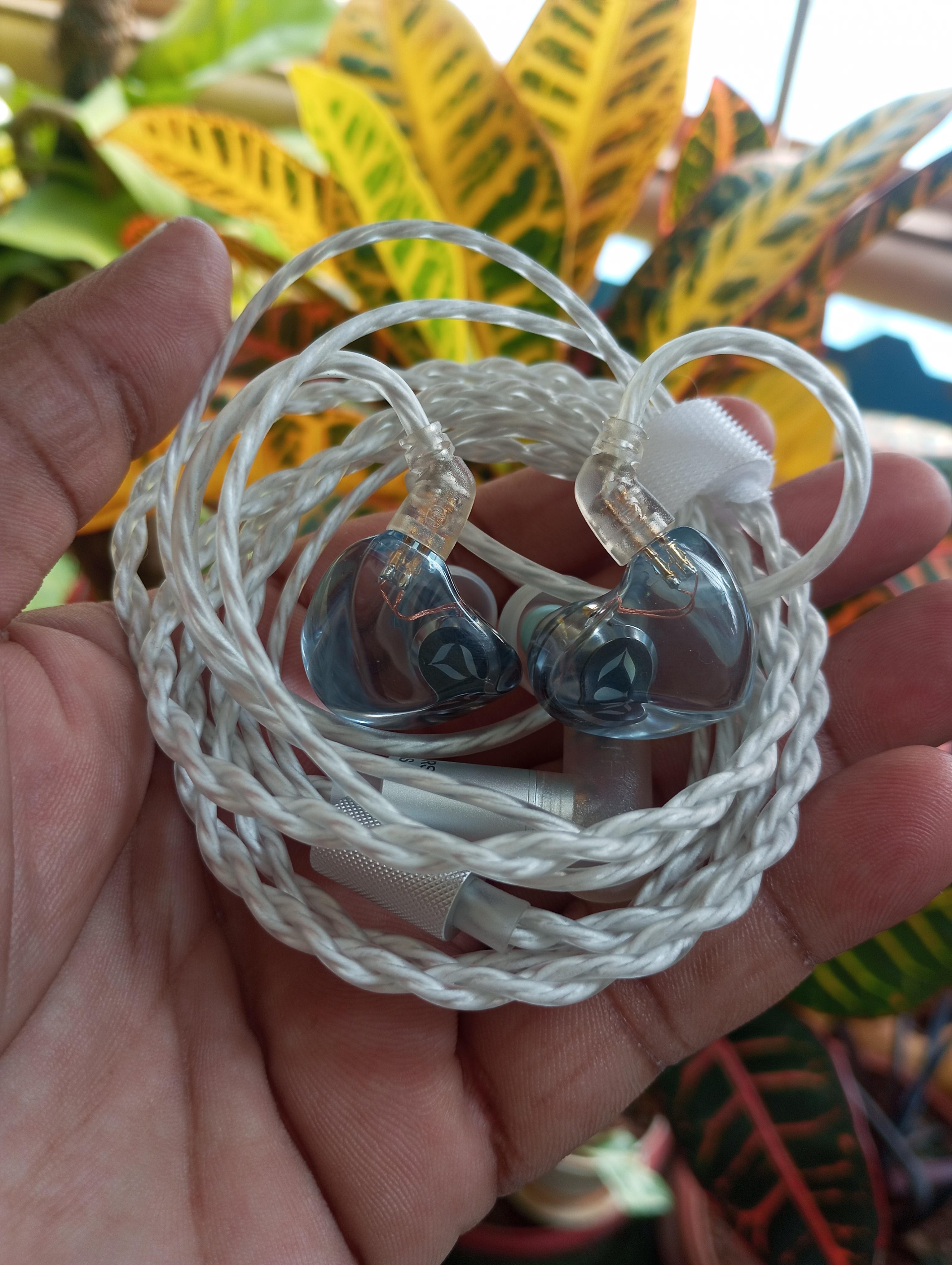
Its cable is ok; it’s not so slim, but it's well-built and flexible, matching the shells nicely. It has recessed 0.78 mm 2-pin connectors. It’s not so prone to tangles or to generating memory, but because it’s fabric-wrapped, it can produce transmitted vibrations, especially when on the move. It looks and feels premium.
The shells are made of medical-grade resin; their colour is completely shiny black, with a gorgeous faceplate showing a kind of smoke with the Punc Audio logo in each earpiece. It’s so well constructed; the housing is medium-sized and very well-weighted.
Talking about its ergonomics, the nozzles have enough height to accommodate the eartips, so this aspect is well done, and they fit me in long sessions without problem. The shells don’t seem prone to micro-scratches and fingerprints.
It has two vents to release pressure, one close to the nozzle and another bigger one close to the 2-pin connector, so you aren’t experiencing driver flex; it has a metallic nozzle that fits well in my ears (YMMV) (6.0 mm diameter), suited to mid-sized ears and maybe small-ear people.
How the Patada sounds:
The Patada, with a 10 mm ceramic diaphragm dynamic driver + MEMS driver, offers a V-shaped tuning.
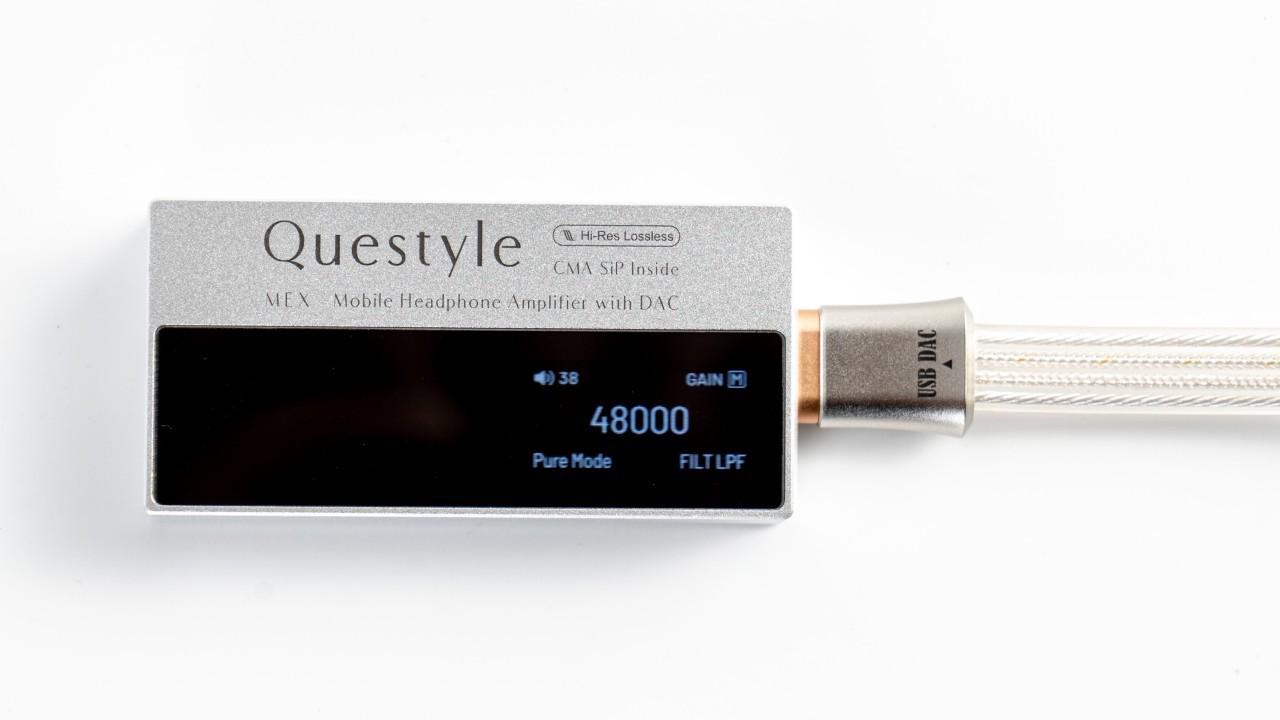
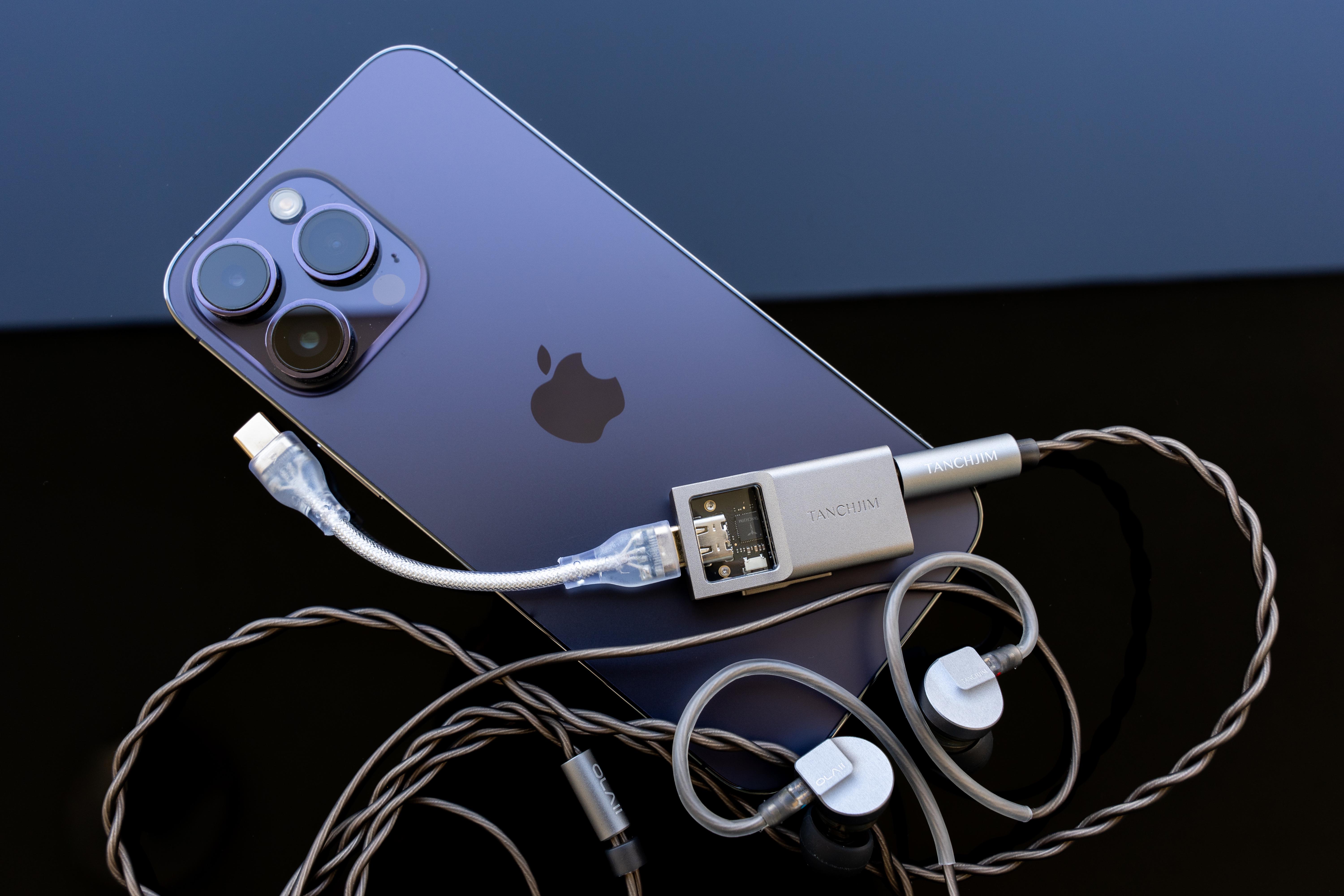
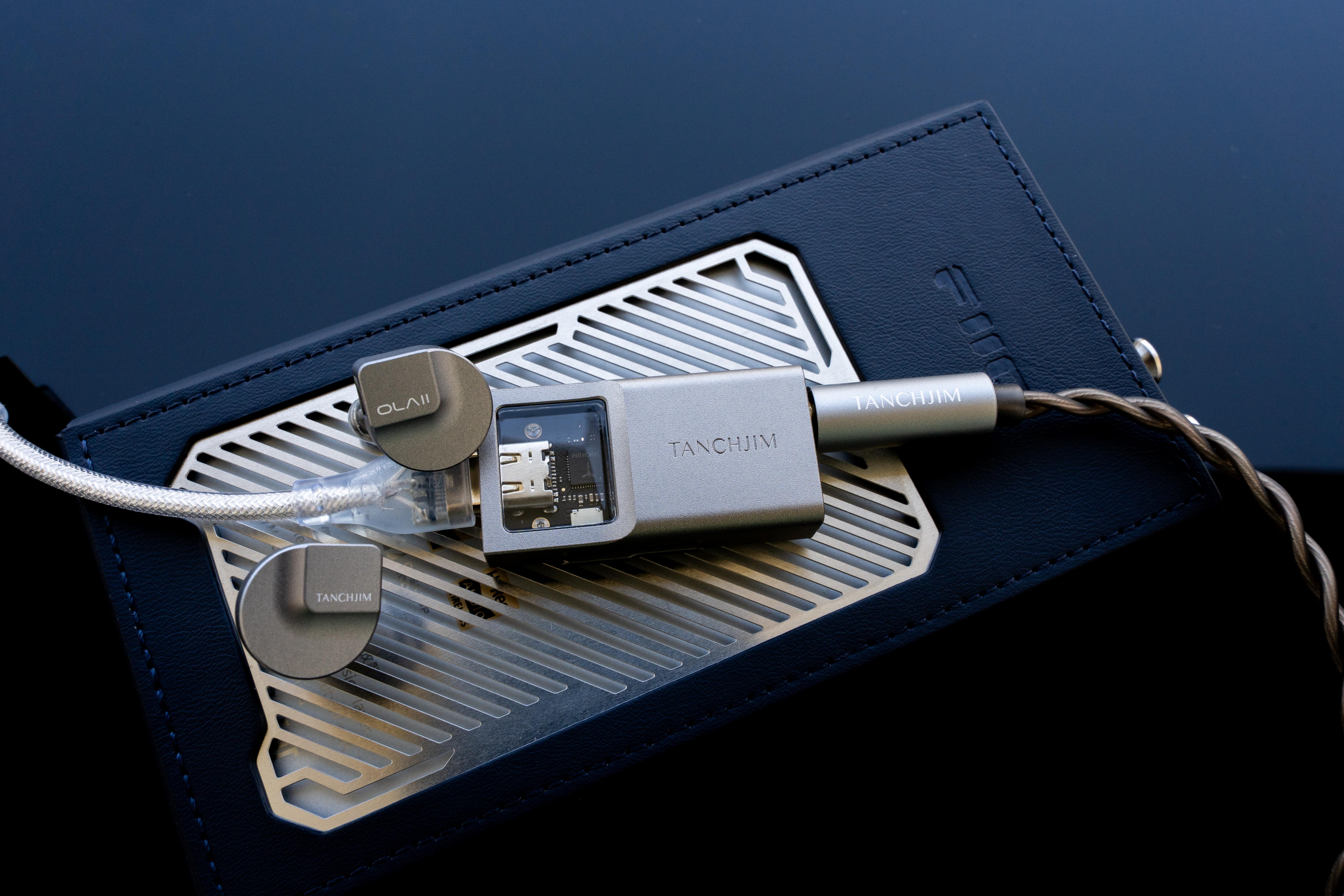
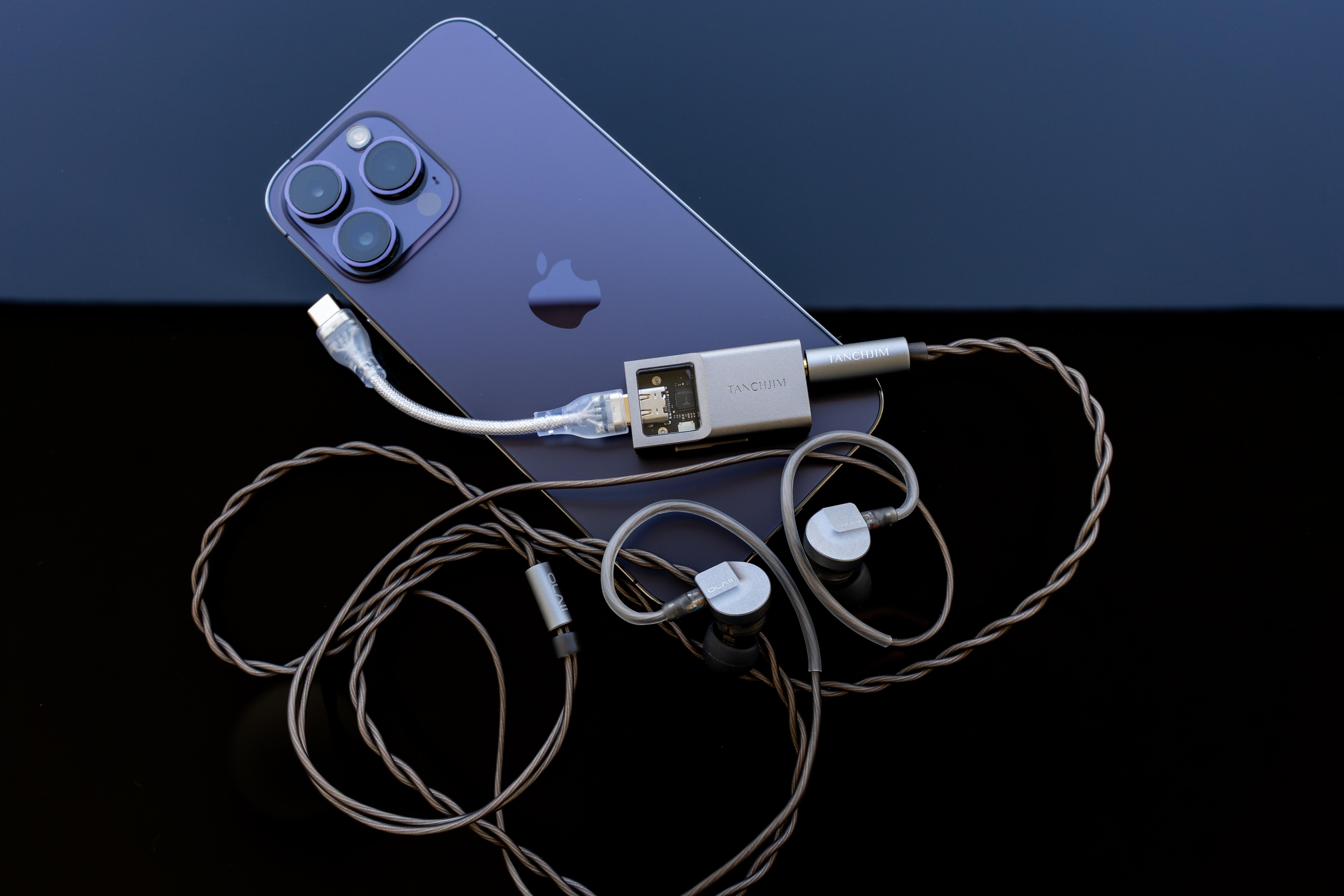
For this review, after tip-rolling looking for a good fit and sound synergy, I used some Penon Liqueur orange eartips in M size, finding the best comfort, fit and seal for the Patada. The sources used were mainly Fosi K7, Tanchjim Space Pro, and NiceHCK Octave. I changed the stock cable for the cable included with the ZiiGaat Thunder. The graph is taken from the Precogvision squiglink page.
1. Frequency Profile:
- BASS:
The Patada’s main focus is here, delivering a very high-quality and quantity of bass, with a fantastic quantity of subbass that extends into the lower frequencies; it also has a magnifique midbass potency; it is so transparent, very fast, with a natural decay, and it’s magnificently resolving. The quantity is huge, but it’s not bloated or muddy at all; it is a goal kick, definitely. As a V-shaped tuned set, the midbass bleeds into the lower midrange.
- MIDRANGE:
The Patada lower midrange ‘suffers’ from some midbass bleeding; male vocals are recessed, yet don’t feel much thin or veiled. The overall midrange is kind of warm yet neutral, and has a great noteweight; and with the MEMS driver, more than average resolution and presence.
The frequency curve comes to 800 Hz and later advances into a warm pinna gain, with a fantastic transparency and a smooth as well tuned presence region with a peak at 2.8 to 3 kHz, later going into the lower treble; female vocals are not forward nor recessed, and at high volumes don’t get shouty or fatiguing.
- HIGH RANGE:
In the high frequencies, the Patada is clean and so crisp, sharp, and noticeably energetic yet non-offensive, it has that crystal clear bite form the MEMS drivers, balancing the rest of frequencies, with a nice bump in the 5 kHz region enhancing female vocals and instruments, a peak at 8 kHz to give that well-received energy, and, handling the sibilance almost perfectly with the expected 6 kHz and 10 kHz dips; it’s so resolving, and it’s not fatiguing in long sessions at mid-to-high volumes; and even at high volumes if you are treble tolerant.
- UPPER TREBLE:
In the Patada, the upper treble rolls off at 16 kHz, giving enough air and a more open sound.
2. Dynamics
In this aspect, the Patada is so well-tuned; thanks to the MEMS drivers, the music is displayed so gracefully, so the soft and loud sounds are distinguishable so flawlessly.
3. Transient Response
The Patada has a great dynamic driver inside, and the MEMS drivers are a well-received addition to the configuration, making a very fast transient response, even with busy or intricate/complex music and other audio content like games and videos.
4. Soundstage
The soundstage in the Patada is kind of expansive, and it has good width and depth.
5. Separation
The stereo separation in the Patada is a delight, and the layering of instruments is more than average as well.
6. Resolution
The Patada shows excellent technical competence; it presents macro and micro detail retrieval punching above its weight, yet it is more musical than analytical. With that warm yet neutral character, it’s perfect for music enjoyment but also for gaming and other audio content.
Closing thoughts and conclusions:
I see how the Patada enters the market as not just being a basshead IEM; Punch Audio made a bassy balance for all of us bass lovers and, with the use of those MEMS drivers, adds balance and technical perks to enjoy it not only for mere music enjoyment.
In a direct comparison, the ZiiGaat x Z Reviews Thunder is a warm, bass-boosted tuned IEM, more a “true Basshead” IEM than a balanced with great bass boost as the Patada I’m reviewing here. But, the Patada delivers a fun yet refined and clean sound, with a bass impact that remembers a goal kick rather than a kick in the jewels lol.
I would like the Patada upper-treble to roll off more lately, because some young folks can wish more treble extension for their games. And, because it is a V-shaped tuning, male vocals are noticeably recessed and sometimes sound thin; I would like less midbass bleeding into this portion of frequencies, and a more ‘flat’ midrange overall, but that’s my tuning tastes talking.
I’ll like the Patada to have more eartips options, and the foam eartips, idk, unless you are very treble sensitive, you don’t need to tame its excellent tuned high range of frequencies.
Here is where we talk about how easy it is to drive it. The Patada, with its 104 dB sensitivity and 20 ohms of impedance, is easy to drive, even with low-powered sources; but taking advantage of a cable with a 4.4 mm balanced jack, the use of a quality and more powerful source shows how well the Patada scales.
In the under 150 USD segment, the Patada has a sound profile, technical aspects and accessories that make it one of the best value propositions in its price range, and suits my preferences more than alright; it’s now one of my favourites from the brand.
Can I recommend it?
Absolutely yes. If you are a bass lover who also looks into some technical perks, and you prefer a warmer yet neutral and balanced tonality rather than just the bass kick, the Patada is perfect for you: It can work for bass-heavy music, but also work for other audio content and needs such as gaming, movies and videos, giving excellent value and performance for its price.
Once again, thanks to Linsoul for providing me with this IEM to test, enjoy, and finally give me the reasons to recommend it as a product that earned my appreciation and liking (suiting my tuning tastes so nicely). And thank you, dear reader, for checking out my review. Please have a happy listening!noticeably