r/SubstationTechnician • u/Numerous_Captain_457 • 9h ago
Can an Initial Test Result Mislead You? A 220kV CVT Failure Case from China
Hi everyone!
I'm an electrical engineer at MinRong Electric, a high-voltage electrical equipment manufacturer based in China.
I spend quite a bit of time looking into high-voltage equipment failures, and one thing I've learned is that electrical faults rarely follow our first assumptions. Sometimes, the equipment seems to enjoy making engineers work overtime. 😅
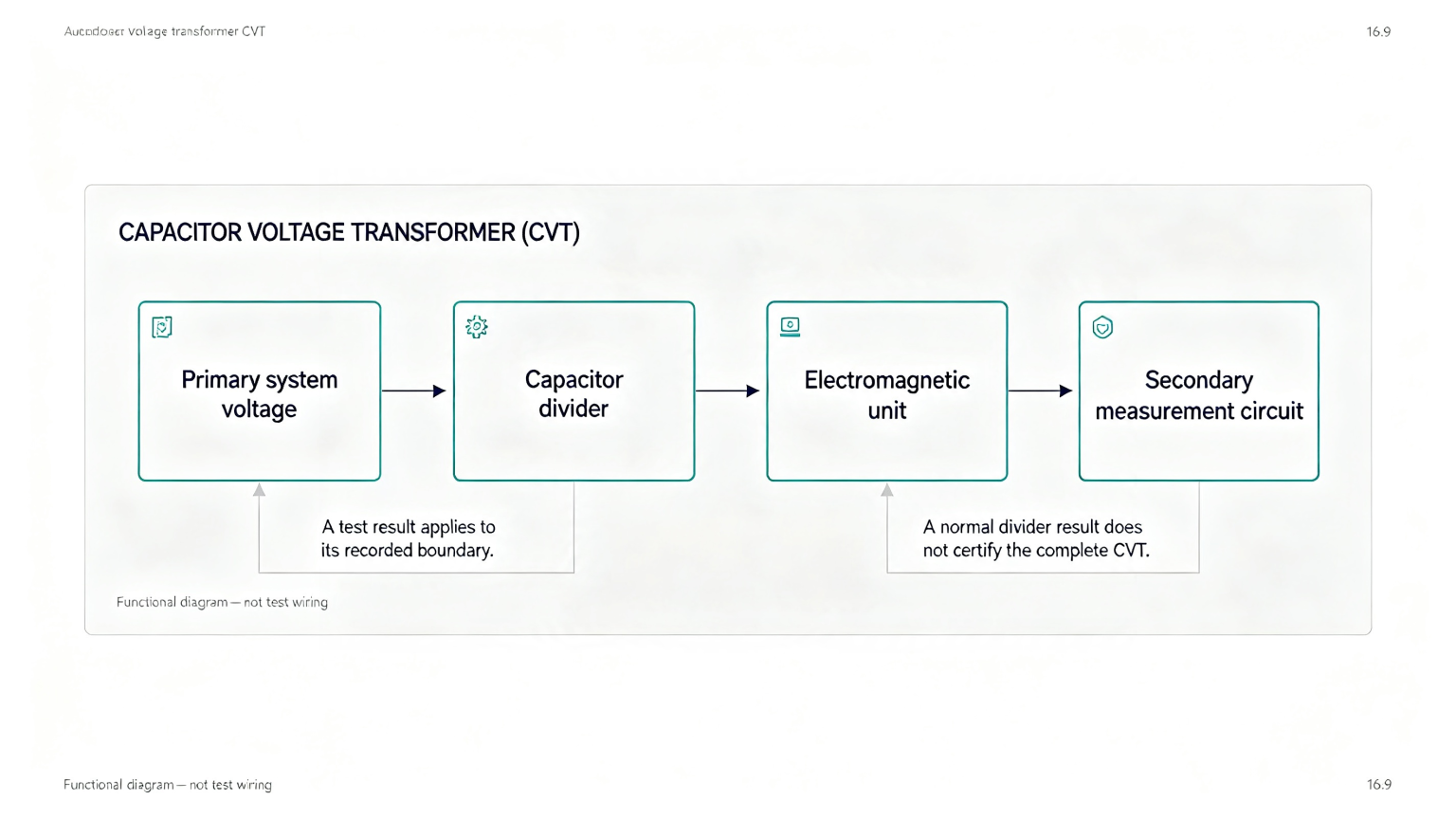
Today, I'd like to share an interesting 220kV Capacitive Voltage Transformer (CVT) fault case from China in 2024.

According to research published by Kai Peng, a voltage circuit alarm occurred at an unnamed substation. Initial measurements raised suspicions about Section B of the CVT.
But here's the important part: an initial suspicion is not the same as a confirmed component failure.
The case highlights why engineers need to distinguish between three things:
1. The alarm
A voltage circuit alarm tells us something may be wrong, but it doesn't identify the exact faulty component.
2. The test results
Initial measurements can point toward a particular section, but test configuration and measurement conditions need to be considered before drawing conclusions.
3. The confirmed defect
Only after further investigation and appropriate testing can engineers determine the actual fault location and decide on corrective action.
For me, this is one of the most important lessons in high-voltage fault diagnosis: don't let the first abnormal reading make the final decision for you.
A wrong diagnosis can mean unnecessary component replacement, wasted maintenance time, and potentially overlooking the real problem.
I'm sharing this case because practical failure analysis is just as important as knowing equipment specifications.
Question for fellow electrical engineers:
When troubleshooting a CVT voltage circuit alarm, what do you usually check first: secondary wiring, test connections, capacitor-divider sections, or the electromagnetic unit?
I'd be interested to hear how other engineers approach this in the field.
