r/WordsOfTheBuddha • u/TrustReasonable7001 • 2h ago
Reflection Daily Quotes of Wisdom

2
Upvotes
r/WordsOfTheBuddha • u/wisdomperception • 6m ago

... let one do it with sustained vigor. - Dhammapada 313
r/WordsOfTheBuddha • u/wisdomperception • 21h ago

Stretches for gradually growing meditation sit time
r/WordsOfTheBuddha • u/TylerLynnTaws89 • 1d ago

r/WordsOfTheBuddha • u/wisdomperception • 1d ago
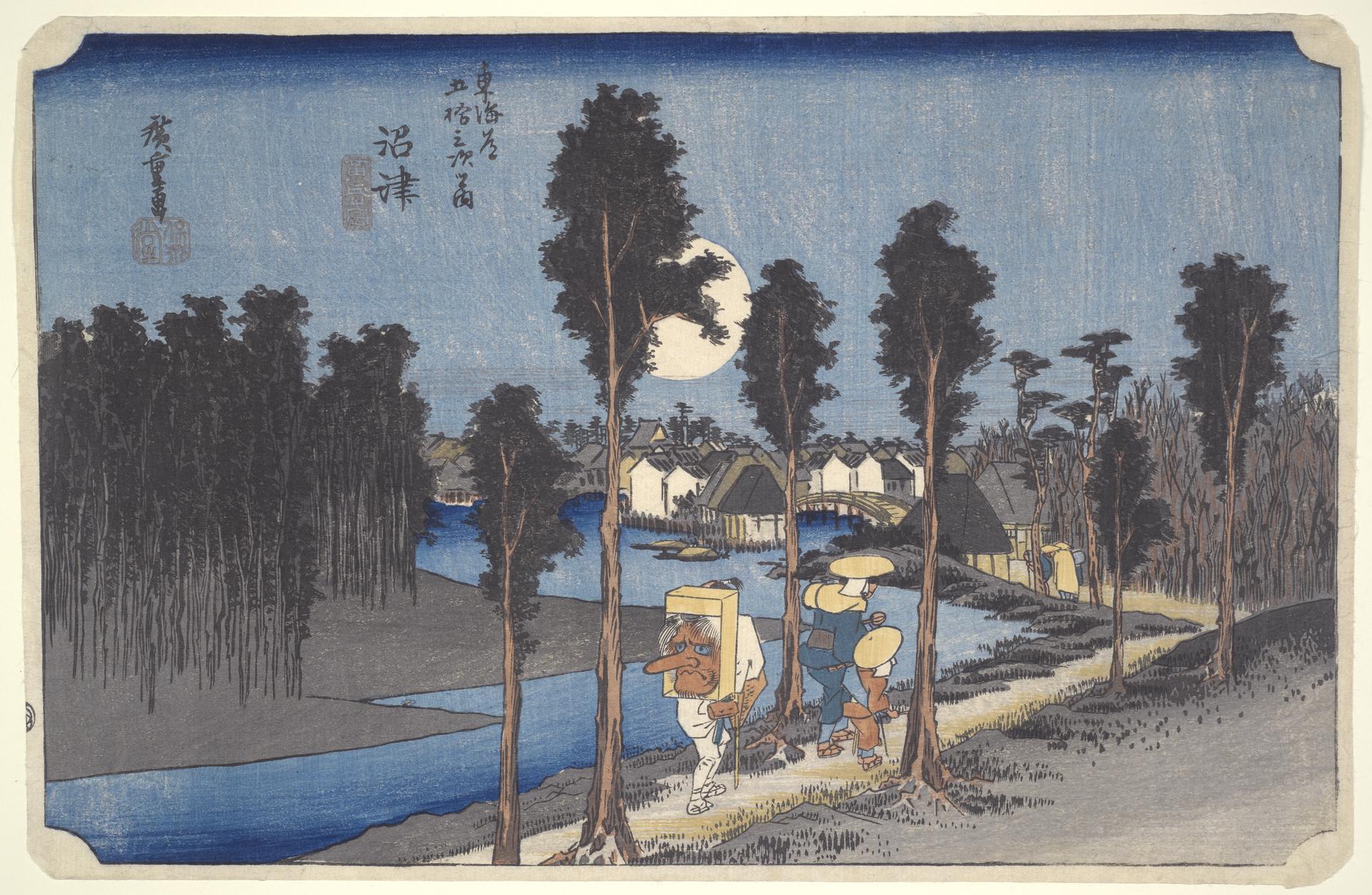
... and seeing what drawback and benefit does he teach it. Expecting inquisitive nobles, householders, and ascetics to press traveling bhikkhus with those very questions, Sāriputta walks them through a clear, grounded way to explain the Dhamma.
Thus have I heard—At one time, the Blessed One was dwelling among the Sakyans at a Sakyan market town named Devadaha.
Then several bhikkhus bound for the western lands went to the Blessed One, and after paying homage to him, they sat down to one side. Sitting to one side, those bhikkhus said to the Blessed One: “Venerable sir, we wish to go to the western lands and take up residence in the western lands.”
“Have you taken leave of Sāriputta, bhikkhus?”
“No, venerable sir, we have not taken leave of the venerable Sāriputta.”
“Take leave of Sāriputta, bhikkhus. Sāriputta, bhikkhus, is wise and helpful to the bhikkhus, his companions in the spiritual life.”
“Yes, venerable sir,” those bhikkhus replied to the Blessed One.
Now on that occasion, the venerable Sāriputta was seated not far from the Blessed One in a certain clump of golden shower trees. Then those bhikkhus, having delighted and rejoiced in the Blessed One’s words, rose from their seats, and after paying homage to the Blessed One, keeping him on their right, they approached the venerable Sāriputta. Having approached, they exchanged friendly greetings with the venerable Sāriputta.
After the exchange of a courteous and polite conversation, they sat down to one side. Seated to one side, those bhikkhus said this to the venerable Sāriputta: “Friend Sāriputta, we wish to go to the western lands and take up residence in the western lands. We have taken leave of the Teacher.”
“Friends, when a bhikkhu goes to foreign lands, there are those who will question him—learned nobles, learned brahmins, learned householders, and learned ascetics. For wise people, friends, are inquisitive: ‘What does your Teacher teach? What does he proclaim?’ I hope, venerable ones, that you have well heard, well grasped, well attended to, well sustained, and well penetrated the teachings with wisdom, so that when answering you will state what has been said by the Blessed One and not misrepresent the Blessed One with what is contrary to fact; that you will explain in accordance with the Dhamma, and that no reasonable consequence of your statement would afford grounds for criticism.”
“Even from far away, friend, we would come to venerable Sāriputta to learn the meaning of this statement. It would be good if venerable Sāriputta himself would clarify the meaning of this statement.”
“Then, friends, listen and pay close attention; I will speak.”
“Yes, friend,” those bhikkhus replied to the venerable Sāriputta. The venerable Sāriputta said this:
“Friends, when a bhikkhu goes to foreign lands, there are those who will question him—learned nobles, learned brahmins, learned householders, and learned ascetics. For wise people, friends, are inquisitive: ‘What does your Teacher teach? What does he proclaim?’ When questioned thus, friends, you should answer: ‘Friends, our Teacher teaches the removal of desire and attachment.’
Even when you answer thus, friends, there may still be those who question you further—learned nobles, learned brahmins, learned householders, and learned ascetics. For wise people, friends, are inquisitive: ‘Regarding what does your Teacher teach the removal of desire and attachment?’ When questioned thus, friends, you should answer: ‘Friends, our Teacher teaches the removal of desire and attachment toward form, toward feeling, toward perception, toward intentional constructs, and toward consciousness.’
Even when you answer thus, friends, there may still be those who question you further—learned nobles, learned brahmins, learned householders, and learned ascetics. For wise people, friends, are inquisitive: ‘Seeing what drawback does your Teacher teach the removal of desire and attachment toward form, feeling, perception, intentional constructs, and consciousness?’ When questioned thus, friends, you should answer: ‘Friends, for one who is not free from passion, desire, affection, thirst, fever, and craving for form, with the change and alteration of that form, there arise sorrow, lamentation, pain, displeasure, and despair. For feeling․․․ perception․․․ intentional constructs․․․ consciousness, for one who is not free from passion, desire, affection, thirst, fever, and craving, with the change and alteration of that consciousness, there arise sorrow, lamentation, pain, displeasure, and despair. It is seeing this drawback, friends, that our Teacher teaches the removal of desire and attachment toward form, feeling, perception, intentional constructs, and consciousness.’
Even when you answer thus, friends, there may still be those who question you further—learned nobles, learned brahmins, learned householders, and learned ascetics. For wise people, friends, are inquisitive: ‘Seeing what benefit does your Teacher teach the removal of desire and attachment toward form, feeling, perception, intentional constructs, and consciousness?’ When questioned thus, friends, you should answer: ‘Friends, for one who is free from passion, desire, affection, thirst, fever, and craving for form, with the change and alteration of that form, there do not arise sorrow, lamentation, pain, displeasure, and despair. For feeling․․․ perception․․․ intentional constructs․․․ consciousness, for one who is free from passion, desire, affection, thirst, fever, and craving, with the change and alteration of that consciousness, there do not arise sorrow, lamentation, pain, displeasure, and despair. It is seeing this benefit, friends, that our Teacher teaches the removal of desire and attachment toward form, feeling, perception, intentional constructs, and consciousness.’
Friends, if one who enters upon and dwells in unwholesome qualities were to dwell happily in this very life—without distress, without anguish, without fever—and after the breaking up of the body, after death, a good destination were to be expected, the Blessed One would not praise the abandoning of unwholesome qualities. But because, friends, one who enters upon and dwells in unwholesome qualities dwells in suffering in this very life—with distress, with anguish, with fever—and after the breaking up of the body, after death, a bad destination is to be expected, therefore the Blessed One praises the abandoning of unwholesome qualities.
And friends, if one who enters upon and dwells in wholesome qualities were to dwell in suffering in this very life—with distress, with anguish, with fever—and after the breaking up of the body, after death, a bad destination were to be expected, the Blessed One would not praise the acquisition of wholesome qualities. But because, friends, one who enters upon and dwells in wholesome qualities dwells happily in this very life—without distress, without anguish, without fever—and after the breaking up of the body, after death, a good destination is to be expected, therefore the Blessed One praises the acquisition of wholesome qualities.”
The venerable Sāriputta said this. The bhikkhus were delighted and pleased with venerable Sāriputta’s words.
---
Key Terms:
Related Teachings:
r/WordsOfTheBuddha • u/Pretend-Cheetah2058 • 1d ago
“By hard work and diligence,
by restraint and by self-control,
a smart person would build an island
that the floods cannot overflow.”
The Buddha, Dhammapada 25 (tr. Bhikkhu Sujato)
More real, cited Buddha quotes in the Own Island app: https://ownisland.vercel.app/q/dhp25
r/WordsOfTheBuddha • u/tunabig100 • 2d ago
r/WordsOfTheBuddha • u/ThisWorldHasNoDemon • 2d ago

r/WordsOfTheBuddha • u/ThisWorldHasNoDemon • 2d ago

r/WordsOfTheBuddha • u/wisdomperception • 3d ago
Mahākoṭṭhika asks whether anything else remains when the six fields of contact fade and cease without remainder. Each way he puts it, Sāriputta tells him not to say so.
Then the venerable Mahākoṭṭhika approached the venerable Sāriputta. Having approached, he exchanged friendly greetings with the venerable Sāriputta. After the exchange of a courteous and polite conversation, he sat down to one side. Seated to one side, the venerable Mahākoṭṭhika said this to the venerable Sāriputta:
“Friend, with the remainderless fading away and cessation of the six fields of contact, is there anything else?”
“Do not say so, friend.”
“Friend, with the remainderless fading away and cessation of the six fields of contact, is there nothing else?”
“Do not say so, friend.”
“Friend, with the remainderless fading away and cessation of the six fields of contact, is there both something else and nothing else?”
“Do not say so, friend.”
“Friend, with the remainderless fading away and cessation of the six fields of contact, is there neither something else nor nothing else?”
“Do not say so, friend.”
“‘Friend, with the remainderless fading away and cessation of the six fields of contact, is there anything else?’ When asked thus, you say: ‘Do not say so, friend.’ ‘Friend, with the remainderless fading away and cessation of the six fields of contact, is there nothing else?’ When asked thus, you say: ‘Do not say so, friend.’ ‘Friend, with the remainderless fading away and cessation of the six fields of contact, is there both something else and nothing else?’ When asked thus, you say: ‘Do not say so, friend.’ ‘Friend, with the remainderless fading away and cessation of the six fields of contact, is there neither something else nor nothing else?’ When asked thus, you say: ‘Do not say so, friend.’ How then, friend, should the meaning of this statement be seen?”
“‘Friend, with the remainderless fading away and cessation of the six fields of contact, is there anything else?’ In saying this, one mentally proliferates that which cannot be conceptualized. ‘Friend, with the remainderless fading away and cessation of the six fields of contact, is there nothing else?’ In saying this, one mentally proliferates that which cannot be conceptualized. ‘Friend, with the remainderless fading away and cessation of the six fields of contact, is there both something else and nothing else?’ In saying this, one mentally proliferates that which cannot be conceptualized. ‘Friend, with the remainderless fading away and cessation of the six fields of contact, is there neither something else nor nothing else?’ In saying this, one mentally proliferates that which cannot be conceptualized. Friend, as far as the range of the six fields of contact extends, so far extends the range of mental proliferation; as far as the range of mental proliferation extends, so far extends the range of the six fields of contact. With the remainderless fading away and cessation of the six fields of contact, there is the cessation of mental proliferation, the stilling of mental proliferation.”
---
Key Terms:
Related Teachings:
r/WordsOfTheBuddha • u/TrustReasonable7001 • 3d ago
r/WordsOfTheBuddha • u/cryptohemsworth • 3d ago
For me it is:
- Patience and tolerance
- Kindness and compassion
- Equanimity and wisdom
- Gratitude and contentment
- Care for others
- Peace
Keen to hear from you all 🙂🙏
r/WordsOfTheBuddha • u/wisdomperception • 4d ago

... The Buddha shares this inspired utterance after venerable Ānanda observes that the speculators receive honor and support only until perfectly Awakened Ones arise in the world.
Thus have I heard—At one time, the Blessed One was dwelling at Sāvatthi, in Jeta’s Grove, Anāthapiṇḍika’s Park. Then, the venerable Ānanda approached the Blessed One; having approached, he paid homage to the Blessed One and sat down to one side. Seated to one side, the venerable Ānanda said to the Blessed One:
“As long, venerable sir, as Tathāgatas, Arahants, perfectly Awakened Ones, do not arise in the world, wanderers of other sects are honored, respected, revered, worshipped, and esteemed. They are recipients of the four requisites: robes, alms food, lodging, and medicines. But when, venerable sir, Tathāgatas, Arahants, perfectly Awakened Ones, arise in the world, then wanderers of other sects are dishonored, disrespected, unrevered, unworshipped, and unesteemed. They are not recipients of the four requisites: robes, alms food, lodging, and medicines. Now, venerable sir, it is the Blessed One who is honored, respected, revered, worshipped, and esteemed. He is a recipient of the four requisites: robes, alms food, lodging, and medicines, and so is the Saṅgha of bhikkhus.”
“That is so, Ānanda. As long, Ānanda, as Tathāgatas, Arahants, perfectly Awakened Ones, do not arise in the world, wanderers of other sects are honored, respected, revered, worshipped, and esteemed. They are recipients of the four requisites: robes, alms food, lodging, and medicines. But when, Ānanda, Tathāgatas, Arahants, perfectly Awakened Ones, arise in the world, then wanderers of other sects are not honored, not respected, not revered, not worshipped, and not esteemed. They are not recipients of the four requisites: robes, alms food, lodging, and medicines. Now, it is the Tathāgata who is honored, respected, revered, worshipped, and esteemed. He is a recipient of the four requisites: robes, alms food, lodging, and medicines, and so is the Saṅgha of bhikkhus.”
Then, understanding the significance of this, the Blessed One at that time expressed this inspired utterance:
“The glowworm shines only so long
as the sun has not yet risen;
but when the radiant sun comes up,
its light is extinguished and it shines no more.
Likewise do the speculators shine
until the perfectly Awakened Ones arise in the world;
the speculators are not purified, nor are their disciples,
those of wrong view are not freed from suffering.”
---
Key Terms:
Image: Fireflies at Ochanomizu, Kobayashi Kiyochika, c. 1880
Related Teachings:
r/WordsOfTheBuddha • u/wisdomperception • 5d ago
The Buddha outlines six causes of kamma: unwholesome roots perpetuate to bad destinations, whereas wholesome roots foster good outcomes.

“There are these three causes for the arising of kamma. What three? 1.) Greed is a cause for the arising of kamma, 2.) aversion is a cause for the arising of kamma, 3.) delusion is a cause for the arising of kamma. Non-greed does not arise from greed; rather only greed arises from greed. Non-aversion does not arise from aversion; rather only aversion arises from aversion. Non-delusion does not arise from delusion; rather only delusion arises from delusion. Through kamma arisen from greed, kamma arisen from aversion, or kamma arisen from delusion, devas are not manifested, humans are not manifested, nor any other good destinations. Rather through kamma arisen from greed, kamma arisen from aversion, and kamma arisen from delusion, hell is manifested, the animal realm is manifested, the realm of afflicted spirits is manifested, or whatever other bad destinations there are. These are the three causes for the arising of kamma.
There are these three causes for the arising of kamma. What three? 1.) Non-greed is a cause for the arising of kamma, 2.) non-aversion is a cause for the arising of kamma, 3.) non-delusion is a cause for the arising of kamma. Greed does not arise from non-greed; rather only non-greed arises from non-greed. Aversion does not arise from non-aversion; rather only non-aversion arises from non-aversion. Delusion does not arise from non-delusion; rather only non-delusion arises from non-delusion. Through kamma arisen from non-greed, kamma arisen from non-aversion, or kamma arisen from non-delusion, hell is not manifested, the animal realm is not manifested, the realm of afflicted spirits is not manifested, nor any other bad destinations. Rather through kamma arisen from non-greed, kamma arisen from non-aversion, and kamma arisen from non-delusion, devas are manifested, humans are manifested, and whatever other good destinations there are. These are the three causes for the arising of kamma.”
---
Key Terms:
Related Teachings:
r/WordsOfTheBuddha • u/MeasurementFit5641 • 5d ago

Hello friends, for those who may be interested in learning Buddhism in Hindi, I have published a Hindi translation of David Roylance's book "Developing a Life Practice: The Path that Leads to Enlightenment" (Volume 1)
"जीवन अभ्यास का विकास: पथ जो ले जाता है निर्वाण की और" (खंड १)
Free Download - https://mailchi.mp/buddhadailywisdom/freebuddhabook-hindi
Amazon - https://www.amazon.in/%E0%A4%AC%E0%A5%81%E0%A4%A6%E0%A5%8D%E0%A4%A7-%E0%A4%95%E0%A5%87-%E0%A4%B6%E0%A4%AC%E0%A5%8D%E0%A4%A6-%E0%A4%85%E0%A4%AD%E0%A5%8D%E0%A4%AF%E0%A4%BE%E0%A4%B8-%E0%A4%A8%E0%A4%BF%E0%A4%B0%E0%A5%8D%E0%A4%B5%E0%A4%BE%E0%A4%A3-ebook/dp/B0H4RRT7XH/
r/WordsOfTheBuddha • u/wisdomperception • 6d ago
... which purges wrong view through right view and wrong liberation through right liberation without fail, freeing beings from birth, aging, and death.
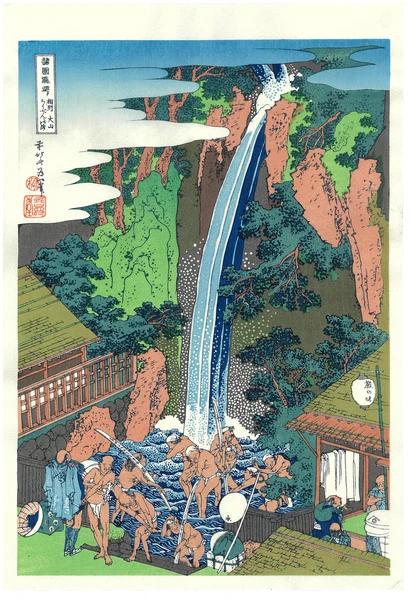
The Buddha contrasts doctors’ medicinal purgatives, which sometimes succeed and sometimes fail, with the noble purgative of the tenfold path, which purges wrong view through right view and wrong liberation through right liberation without fail, freeing beings from birth, aging, and death.
“Physicians give a purgative for dispelling afflictions originating from bile, for dispelling afflictions originating from phlegm, and for dispelling afflictions originating from wind. There is this purgative—I do not deny it. But this purgative sometimes succeeds and sometimes fails.
And I will teach a noble purgative that only succeeds and never fails—relying upon which beings subject to birth are freed from birth; beings subject to aging are freed from aging; beings subject to death are freed from death; beings subject to sorrow, lamentation, pain, displeasure, and despair are freed from sorrow, lamentation, pain, displeasure, and despair. Listen to this and pay close attention; I will speak.”
“Yes, venerable sir,” those bhikkhus replied to the Blessed One. The Blessed One said this:
“And what is that noble purgative that only succeeds and never fails—relying upon which beings subject to birth are freed from birth; beings subject to aging are freed from aging; beings subject to death are freed from death; beings subject to sorrow, lamentation, pain, displeasure, and despair are freed from sorrow, lamentation, pain, displeasure, and despair?
For one with right view, wrong view is purged; and the multitude of harmful, unwholesome qualities that arise due to wrong view, they too are purged for him. And due to right view, many wholesome qualities reach full development by cultivation.
For one with right intention, wrong intention is purged ... For one with right speech, wrong speech is purged ... For one with right action, wrong action is purged ... For one with right livelihood, wrong livelihood is purged ... For one with right effort, wrong effort is purged ... For one with right mindfulness, wrong mindfulness is purged ... For one with right collectedness, wrong collectedness is purged ... For one with right knowledge, wrong knowledge is purged ...
For one with right liberation, false liberation is purged; and the multitude of harmful, unwholesome qualities that arise due to false liberation, they too are purged for him. And due to right liberation, many wholesome qualities reach full development by cultivation. This is that noble purgative that only succeeds and never fails—relying upon which beings subject to birth are freed from birth ... are freed from sorrow, lamentation, pain, displeasure, and despair.”
---
The Buddha saw himself and his work to be similar to that of a healer, a physician, a field surgeon (MN 63, MN 75, MN 105, AN 8.85 as few other places he gives himself the title of bhisakka and sallakatta, lit. one who cuts the arrow). He did not see himself as a religious founder, philosopher, or as a spiritual teacher.
Key Terms:
Related Teachings:
r/WordsOfTheBuddha • u/wisdomperception • 8d ago

286
‘Here I will dwell during the rains,
here during winter and summer;’
thus the immature person thinks,
not understanding the danger.
287
That person, besotted with sons and cattle [possessions],
with an attached mind;
like a great flood sweeps away a sleeping village,
death seizes and carries them away.
288
There are no sons for refuge,
nor father, nor even relatives;
for one seized by the Ender[1],
there is no refuge among kin.
289
Understanding the truth of this,
the wise one, restrained by ethical conduct,
should swiftly purify the path
leading to Nibbāna.
---
[1] The Ender: Antakena. A poetic epithet for Death, the one who brings all worldly things to an end.
Key Terms:
Gallery: Ikkyū in Hell, c. 1457. Learn more: https://publicdomainreview.org/collection/ikkyu-in-hell/
Related Teachings:
r/WordsOfTheBuddha • u/wisdomperception • 9d ago
When the Brahmin Brahmāyu hears that a Buddha has arisen, he sends his student Uttara to shadow the Buddha for a period of seven months to observe his conduct.

Then, after the passage of seven months, the young brahmin Uttara set out on a walking tour in the Videha country toward Mithilā. Wandering by stages, he approached Mithilā and the brahmin Brahmāyu; having drawn near, he paid homage to the brahmin Brahmāyu and sat down to one side. While the young brahmin Uttara was seated to one side, the brahmin Brahmāyu said to him: “My dear Uttara, is the report that has circulated about that sir Gotama indeed so, and not otherwise? And is that sir Gotama truly such, and not otherwise?”
“The report that has circulated about that sir Gotama, sir, is indeed so, and not otherwise; and that sir Gotama is truly such, and not otherwise.
...
When walking, that sir Gotama steps out first with his right foot. He does not lift his foot too far, nor does he set his foot down too close; he walks neither too quickly nor too slowly; he walks without knocking knee against knee, and without knocking ankle against ankle. When walking, he neither raises his thighs up, nor bends them down, nor brings them inward, nor splays them outward. When that sir Gotama walks, only the lower part of his body moves, and he does not walk with bodily strain. When looking around, that sir Gotama turns to look with his entire body; he does not look straight up, nor does he look straight down; he does not walk looking about this way and that, but looks a yoke’s length before him; and beyond that, he has unobstructed knowledge and vision.
When entering indoors, he neither raises his body up, nor bends it down, nor leans it inward, nor tilts it outward.
He turns around neither too far from the seat nor too close to it; he does not sit down on the seat leaning on his hand, nor does he fling his body onto the seat. While seated indoors, he does not engage in fidgeting with his hands or fidgeting with his feet; he does not sit with knee crossed over knee, nor with ankle crossed over ankle, nor does he sit supporting his chin with his hand. While seated indoors, he does not fear, does not tremble, does not waver, and is not agitated. He is fearless, untrembling, unwavering, unagitated, and without trepidation. And while seated indoors, that sir Gotama is devoted to seclusion.
When receiving water for the alms bowl, he neither tips the bowl up, nor tips it down, nor tilts it inward, nor tilts it outward.
He receives neither too little nor too much water for the bowl. He does not wash the bowl making a sloshing sound, nor does he wash the bowl by twirling it around; he does not set the bowl down on the ground to wash his hands—when his hands are washed, the bowl is washed, and when the bowl is washed, his hands are washed. He pours out the water for the bowl neither too far nor too close, and without splashing it about. When receiving boiled rice, he neither tips the bowl up, nor tips it down, nor tilts it inward, nor tilts it outward. He receives neither too little nor too much boiled rice. Sir Gotama takes curry in suitable proportion, and does not exceed the mouthful of rice with curry. Sir Gotama turns the morsel over two or three times in his mouth before swallowing it, and no unchewed grain of rice enters his body, nor does any grain of rice remain in his mouth; only then does he bring another morsel to his lips. That sir Gotama partakes of food experiencing the taste, but not experiencing passion for the flavor.
That sir Gotama partakes of food endowed with eight factors: ‘[This food is] not for amusement, not for intoxication, not for putting on bulk, and not for the sake of physical appearance; but only for the support and maintenance of this body, for the ending of discomfort, and for assisting the spiritual life: thus I shall put an end to old feeling [of hunger] and shall not give rise to new feeling [from overeating], and I shall sustain life blamelessly and dwell at ease.’
When he has finished his meal and receives water for the bowl, he neither tips the bowl up, nor tips it down, nor tilts it inward, nor tilts it outward. He receives neither too little nor too much water for the bowl. He does not wash the bowl making a sloshing sound, nor does he wash the bowl by twirling it around; he does not set the bowl down on the ground to wash his hands—when his hands are washed, the bowl is washed, and when the bowl is washed, his hands are washed. He pours out the water for the bowl neither too far nor too close, and without splashing it about.
When he has finished his meal, he sets the bowl down on the ground neither too far away nor too close; and he is neither careless with the bowl, nor overly fussy over the bowl.
When he has finished his meal, he sits in silence for a moment, but he does not let the time for the blessing of appreciation pass by. When he has finished his meal, he expresses appreciation: he neither criticizes that meal nor longs for another meal; rather, he instructs, encourages, inspires, and gladdens that assembly purely with a talk on the Dhamma. Having instructed, encouraged, inspired, and gladdened that assembly with a talk on the Dhamma, he rises from his seat and departs.
He walks neither too quickly nor too slowly, and he does not walk as one anxious to get away.
On the body of that sir Gotama, his robe is worn neither pulled up too high nor hanging down too low, neither clinging tightly to the body nor billowing away from the body; nor does the wind blow the robe off the body of that sir Gotama; nor do dust and dirt adhere to the body of that sir Gotama.
Having gone to the park, he sits down on the prepared seat. Having sat down, he washes his feet; yet that sir Gotama does not dwell devoted to the practice of beautifying his feet. Having washed his feet, he sits down folding his legs crosswise, setting his body upright, and establishing mindfulness as his primary focal point. He does not intend for his own affliction, nor for the affliction of others, nor for the affliction of both; that sir Gotama sits intending solely for his own welfare, the welfare of others, the welfare of both, and the welfare of the whole world. Having gone to the park, he teaches the Dhamma to the assembly: he neither flatters that assembly nor disparages that assembly; rather, he instructs, encourages, inspires, and gladdens that assembly purely with a talk on the Dhamma.
The sound that issues forth from the mouth of that sir Gotama is endowed with eight qualities: it is distinct, intelligible, melodious, pleasant to hear, cohesive, undispersed, deep, and resonant. That sir Gotama makes his voice understood in accordance with the size of the assembly, and his voice does not carry outside the assembly. Having been instructed, encouraged, inspired, and gladdened by that sir Gotama with a talk on the Dhamma, they rise from their seats and depart, looking back at him alone, reluctant to leave.
We have seen that sir Gotama walking, sir; we have seen him standing; we have seen him entering indoors; we have seen him seated indoors in silence; we have seen him eating indoors; we have seen him seated in silence after his meal; we have seen him expressing appreciation after his meal; we have seen him going to the park; we have seen him seated in silence at the park; we have seen him at the park teaching the Dhamma to the assembly. Such and such is that sir Gotama, and even more than that!”
When this was said, the brahmin Brahmāyu rose from his seat, arranged his upper robe over one shoulder, raised his joined palms toward the Blessed One, and uttered this inspired exclamation three times:
“Homage to the Blessed One, the Arahant, the perfectly Awakened One!
Homage to the Blessed One, the Arahant, the perfectly Awakened One!
Homage to the Blessed One, the Arahant, the perfectly Awakened One!
Perhaps some time or other we might meet with that sir Gotama! Perhaps there might be some conversation with him!”
---
Key Terms:
Related Teachings:
r/WordsOfTheBuddha • u/No-Spirit5082 • 10d ago

r/WordsOfTheBuddha • u/Substantial-Dare-438 • 11d ago

r/WordsOfTheBuddha • u/Substantial-Dare-438 • 11d ago
A friendly person is someone who can empathize with you. They can put themselves in your shoes and see things from your point of view. That is what the Buddha meant by “noble.” So I like to call the Four Noble Truths the Four Friendly Facts.
r/WordsOfTheBuddha • u/Aryan0817 • 11d ago
r/WordsOfTheBuddha • u/AutoModerator • 11d ago
"If beings knew, as I know,
the results of giving & sharing,
they would not eat without having given,
nor would the stain of stinginess overcome their minds.
Even if it were their last bite,
their last mouthful,
they would not eat without having shared,
if there were someone to receive their gift."
- ITI 26
This is an open sharing thread. You're welcome to share challenge areas, what is inspiring you, and what is on your mind, a teaching you're reflecting on, an art piece, a photo, your state of mind, a book recommendation, a YT video link.
r/WordsOfTheBuddha • u/wisdomperception • 12d ago

Thus have I heard—At one time, the Blessed One was dwelling at Vesāli, in the Great Forest, in the hall with the peaked roof. There the Blessed One addressed the bhikkhus: “Bhikkhus!”
“Venerable sir,” the bhikkhus replied. The Blessed One said this:
“At present, the Licchavīs dwell using wooden pillows, diligent and with continuous effort in their training. Therefore, King Ajātasattu of Magadha, son of Vedehi, finds no opportunity or foothold. But in the future, the Licchavīs will be delicate, with soft and tender hands and feet. They will sleep until sunrise on soft beds with cotton pillows. At that time, King Ajātasattu of Magadha, the son of Videhi, will find an opportunity and a foothold.
At present, the bhikkhus dwell using wooden pillows, diligent and with continuous effort in their striving. Therefore, Māra the Evil One finds no opportunity or foothold. But in the future, there will be bhikkhus who are delicate, with soft and tender hands and feet. They will sleep until sunrise on soft beds with cotton pillows. At that time, Māra the Evil One will find an opportunity and a foothold.
Therefore, you should train yourselves: ‘We will dwell using wooden pillows, diligent and with continuous effort in our striving.’ This is how you should train yourselves.”
---
Key Terms:
Related Teachings:
r/WordsOfTheBuddha • u/wisdomperception • 12d ago
Comic inspired by An engineers guide.
Further reflection with the Buddha's words: