r/korea • u/Woundsmyheart • 1h ago
정치 | Politics South Korea says several Russian aircraft flew into its air defense zone - POLITICO

40
Upvotes
r/korea • u/KoreaMods • Apr 05 '25
This subreddit is dedicated to discussions about Korea, covering topics such as news, culture, history, politics, and societal issues. Whether you're here to learn, share insights, or stay updated on significant developments in Korea, you're in the right place.
Community Rules - Please review reddit and subreddit guidelines to ensure a positive experience.
Frequently Asked Questions - Quick answers to common questions.
Conscription
Education
Employment
Internet
Language/Translation Help
Life
Shopping
Social
Travel
Culture
Food
Images
Language
Music
Sports
TV & Movies
News
Politics
Regions
Other
r/korea • u/Woundsmyheart • 1h ago

at Sindonggung Gamjatang tonight. Hope everyone's having a lovely evening! 😊
r/korea • u/Saltedline • 1d ago

r/korea • u/AffectionateReason40 • 1d ago
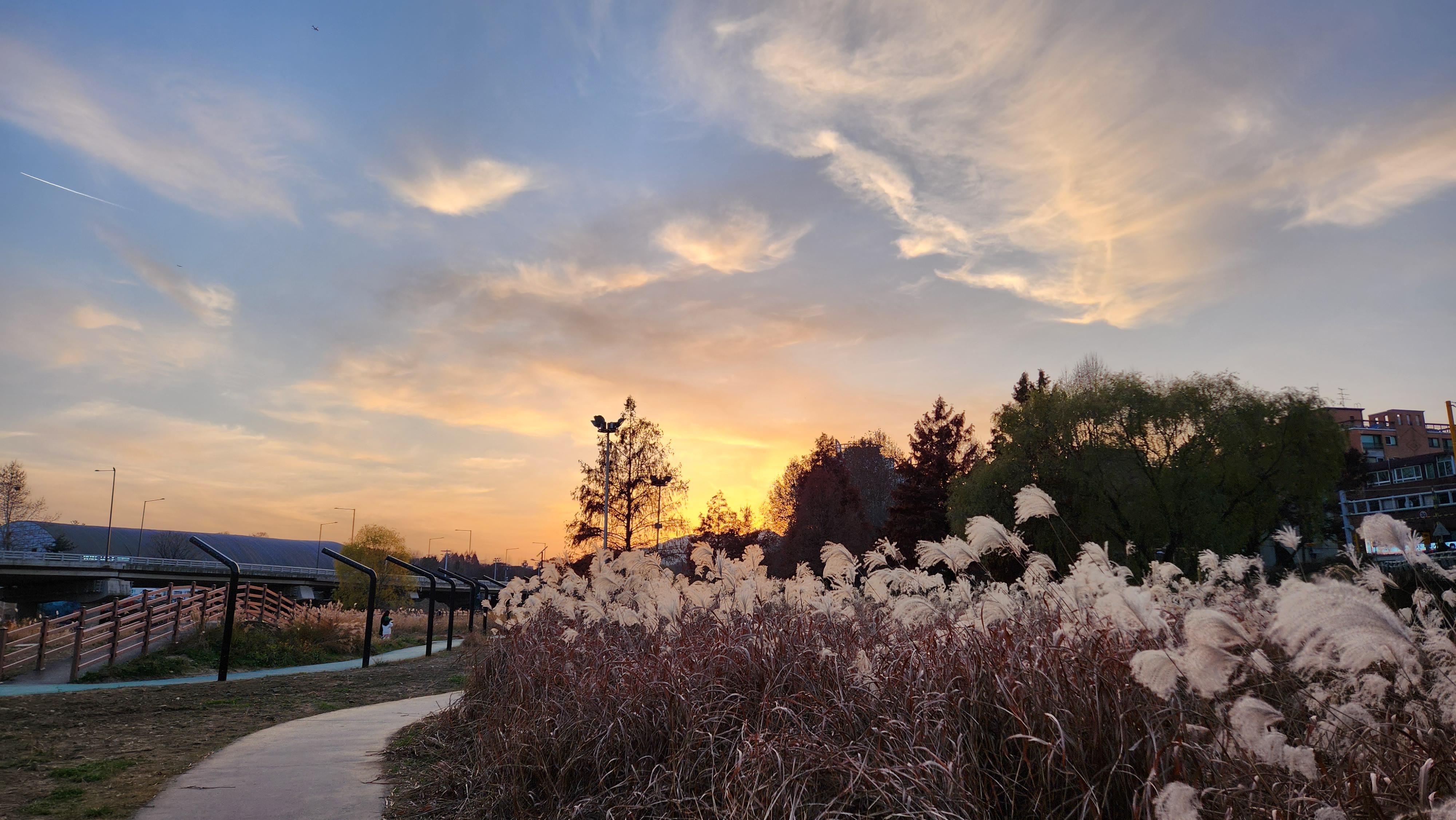
I thought the first snow might be coming, but instead, it rained.
I walked along Yangjaechon after the rain... The weather and the scenery around me somehow made me feel a little nostalgic and sentimental.
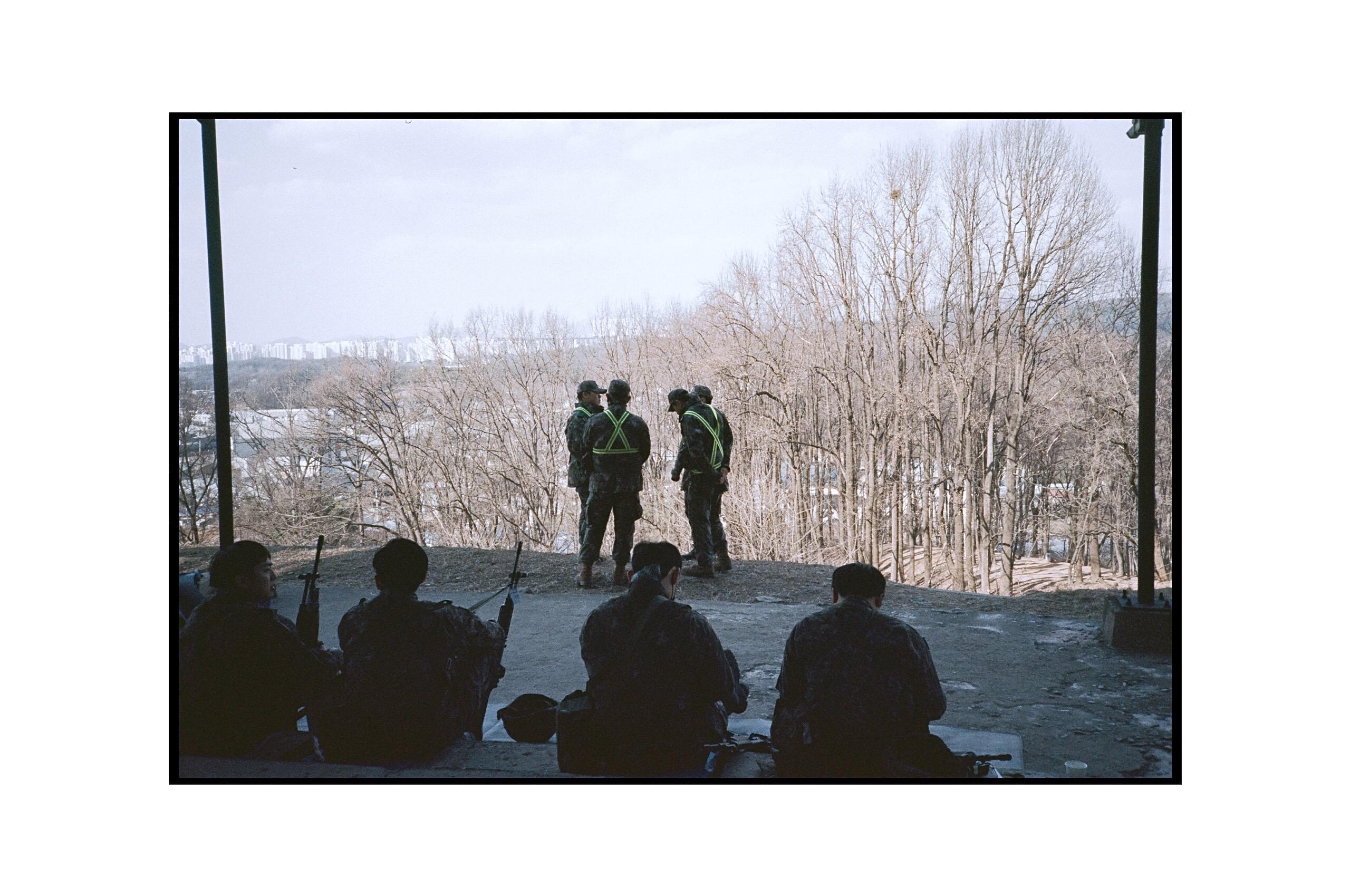
I made a Part I (https://www.reddit.com/r/korea/s/4XCyVSYDRu) and now here’s Part II.
NOTE: it’s formatted as .txt unicode text so please view on browser as the code seems to break on reddit’s mobile app).
Why I made this: being a Korean male, around a young and crucial time of life, can get complicated and stressful especially for those living abroad or with low Korean proficiency; I am hoping this can show that there are more options out there than just enlisting as a nobody in the army—meaning you can leverage your skills (language, technical, education, etc.) to have a more fulfilling and meaning military experience.
For more unhinged, down-to-earth, cold-honest truth, insider type tips, I’m hoping to add as comment(s) as the post is already long and other people with similar experiences can comment as well as *everyone’s military experience varies and differs and a lot has changed in even just 5 years.
As for whether or not to attend, I'm still working on a website-questionnaire to help assess and decide if one should or not (help weigh benefits, etc.). I'm also hoping to post (when I have time later) on Part III: Post Military Service Life (ex. adjusting back to life in Korea with post-military 예비군 training, housing, job search/interviews, government subsidized programs, etc.)
TLDR: Korean military service options branch (more than just army); general order of events based on physical assessment and branch of military; Soldier roles/positions with brief overview explanation and difficulty assessment summary.
EDIT: spelling
══════════════════════════════════════════════════════════════════════════════
PART II: So You’ve Decided You Want to Serve in Korea’s Military?
Here’s a Comprehensive Guide of Everything You Need to Know
══════════════════════════════════════════════════════════════════════════════
KOREAN MILITARY SERVICE OPTIONS
│
├── ENLISTED SERVICE (병)
│ │
│ ├── ARMY 육군 18 months
│ │ ├── Draft / Conscription 징집
│ │ │ └── Full-time Reserve 상근예비역 (commute from home; 18 months)
│ │ └── Recruitment 모집병
│ │ ├── Technical / Administrative 기술행정병
│ │ ├── Specialist 전문특기병
│ │ ├── Other 모집병 categories
│ │ └── KATUSA (카투사)
│ │ └── Korean Army → US Army / USFK unit
│ │
│ ├── NAVY 해군 20 months
│ │ ├── General / Technical 일반·기술병
│ │ ├── Specialist 전문특기병
│ │ └── Ship / Submarine / Shore Service
│ │
│ ├── MARINE CORPS 해병대 18 months
│ │ ├── General / Technical 일반·기술병
│ │ ├── Specialist 전문특기병
│ │ └── Combat / Support specialties
│ │
│ └── AIR FORCE 공군 21 months
│ ├── General / Technical (일반·기술병)
│ ├── Specialist (전문특기병)
│ └── Air Base / Operations / Support
│
├── OFFICER / NCO ROUTES 장교 · 부사관
│ ├── Korea Military Academy 육사 (4-year academy)
│ ├── Korea Naval Academy 해사 (4-year academy)
│ ├── Korea Air Force Academy 공사 (4-year academy)
│ ├── Armed Forces Nursing Academy 국간사 (4-year academy)
│ ├── Korea Army Academy at Yeongcheon 육군3사관학교 (2-year academy; for
│ │ applicants with 2+ years of university or equivalent)
│ ├── ROTC Reserve Officers' Training Corps (학군사관 / 학군단) — trained
│ │ while at university (not an academy)
│ ├── Academic Officer / OCS (학사장교) — for 4-year university graduates
│ │ (not an academy)
│ └── Non-Commissioned Officer 부사관 (NCO)
│
│ ※ Dual nationals: must renounce foreign citizenship before applying to
│ any officer or NCO route (see eligibility notes below).
│
└── SUPPLEMENTARY / ALTERNATIVE SERVICE 보충역 / 대체역
├── Social Service Personnel 사회복무요원 21 months
├── Industrial Technical Personnel 산업기능요원 34 months (현역 대상) /
│ 23 months (보충역 대상)
├── Technical Research Personnel 전문연구요원 36 months (현역·보충역
│ 동일)
├── Arts & Sports Personnel 예술·체육요원 34 months (+ 544 hours of
│ public service)
├── Alternative Service Personnel 대체복무요원 36 months (대체역 ·
│ conscientious objectors)
└── Other legally designated
supplementary / alternative-service routes
※ Only Korean nationals are subject to (or eligible for) military service.
There is no pathway for a non-Korean-citizen foreigner to enlist.
※ Dual nationals (복수국적자) CAN fulfill duty as enlisted personnel without
renouncing their foreign citizenship.
※ Dual nationals by birth may renounce Korean citizenship up to March 31 of
the year they turn 18; after that, they remain subject to duty until service
is completed or exempted.
※ Exception (since 2022, 국적법 제14조의2): if you were born abroad and have
lived there continuously, or moved abroad before age 6 and have lived there
since, you may apply to the Minister of Justice to renounce after the
deadline — but only with a legitimate reason for having missed it. Approval
is hard to get (e.g., the New York consulate reported 7 approvals out of 27
applications between Dec 2022 and Jun 2024).
※ Those born abroad while their parents were staying there without the intent
to settle permanently (원정출산) can renounce only after completing service,
being reclassified to 전시근로역, or being exempted.
※ Overseas residents: if you have lived abroad since before age 18 and,
before turning 25, you or a parent qualify (e.g., foreign permanent
residency/citizenship, or 3+ years abroad with a foreign-citizen parent),
you are treated as already holding 국외여행허가 through age 37 (병역법
시행령 제149조). Anyone else who left Korea before 25 and wants to stay
abroad past 25 must apply by January 15 of the year they turn 25.
※ This deferral can be cancelled (and duty imposed) if you report a permanent
return (영주귀국신고), stay in Korea 6+ months in a year, or work in Korea
60+ days in a year — confirm the current thresholds with your consulate or
병무청 before any long stay.
※ Permanent residents from other countries (but still Korean) who want to
serve voluntarily: apply through 영주권자 등 입영희망신청 (병무민원포털, a
consulate, or a regional 병무청). It is designed so you can serve without
losing your PR — round-trip economy airfare to your country of residence is
covered on regular leave, and travel home is covered at discharge. You can
cancel before your entry date and return to your deferral (through age 37)
with no penalty. Keeping your PR is still up to your country of residence,
so get a re-entry permit if needed.
※ Naturalized citizens (귀화자) become subject to duty upon naturalization,
but may apply for 전시근로역 편입 (wartime labor service reclassification)
as an exemption route. If you don't file the 병역복무변경·면제신청서, you
serve according to your 병역판정검사 result; if you were reclassified but
want to serve, you can request a change to active duty or social service.
※ 재외국민 / gyopo returning to Korea to serve follow this same track
(병역판정검사 → 입영), but should prepare in advance: Korean ID / 본인인증
access, a Korean phone number, 병무청 portal account, 나라사랑카드 (military
banking), and translated foreign medical/education records if claiming a
condition or exemption.
UPDATES:
※ New support for overseas Koreans (2026): since July 2026, 병무청 offers
interpretation in 10 languages (e.g., Chinese, Vietnamese, Thai, Filipino)
at the 병역판정검사; a 2026 adjustment program lets recruits voluntarily
note their Korean-language ability on exam forms; and a joint
병무청·법무부·성평등가족부·재외동포청 body (재외국민 병역이음, launched July
2026) is rolling out 1:1 nationality/military guidance and pre-enlistment
prep through consulates, starting with a pilot in Vietnam.
※ Dual nationals CANNOT commission as an officer, warrant officer, or NCO
unless they first renounce their foreign citizenship (군인사법 제10조). Dual
nationals may fulfill duty as enlisted personnel or supplementary-service
personnel (e.g., social service) while retaining dual citizenship.
※ The legal bar for officer/NCO routes is dual citizenship, not foreign
permanent residency: recruitment notices require single Korean nationality,
with any foreign citizenship renounced by the entry date. Gyopo who hold
only Korean citizenship plus foreign PR should still check the current
모집요강 for any residency-related conditions before applying to OCS
(학사장교) and similar commissioning routes.
※ Officer candidates also undergo a background check that is considerably
more thorough than standard civil-service screening.
※ Dual nationals may serve as 사회복무요원 (Social Service Personnel) without
renouncing foreign citizenship — same principle as enlisted duty. Assignment
to this category depends on the standard 병역판정검사 grade/classification,
not citizenship status by itself.
※ 산업기능요원 and 전문연구요원 are open to those graded 현역 (1~3급) as well
as 보충역 (4급); for 산업기능요원 the length differs (34 vs 23 months).
※ 대체역 (alternative service for conscientious objectors) is a separate
legal category from 보충역, decided by application and review rather than by
exam grade.
══════════════════════════════════════════════════════════════════════════════
General Order of Events:
from enlistment notice, mandatory service, to military discharge
══════════════════════════════════════════════════════════════════════════════
병무청 통지 / 상담
Notice / Consultation with
the Military Manpower Administration
-contact to make an appointment
or visit office
│
▼
병역판정검사
Military Manpower
Fitness Examination
-a notice is generally sent to
summon with date of examination
│
▼
병역처분 결정
Military Service Status
Determination
-generally receive results by end
of examination or will be sent
electronically/by mail
│
┌────────────────────────┼────────────────────────┐
│ │ │
▼ ▼ ▼
현역병 보충역 기타 처분
Active Duty Supplementary Other Status
(1~3급) Service (4급) (5~7급)
│ │ │
│ │ ├─ 5급 전시근로역
│ │ │ Wartime Labor Service
│ │ │
│ │ ├─ 6급 병역면제
│ │ │ Exempt from Military
│ │ │ Service
│ │ │
│ │ └─ 7급 재신체검사
│ │ Re-examination
│ │
│ ├─ 사회복무요원
│ │ Social Service
│ │ Personnel
│ │
│ ├─ 산업기능요원*
│ │ Industrial
│ │ Technical
│ │
│ ├─ 전문연구요원**
│ │ Technical Research
│ │ Personnel
│ │
│ └─ 기타 보충역
│ Other Supplementary
│ Service (예술·체육요원 등)
│
└────────────────────────┐
│
▼
═══════════════════════════════
현역병 복무
Active Duty Service Route
═══════════════════════════════
│
┌───────────┬────────┴────────┬───────────┐
│ │ │ │
▼ ▼ ▼ ▼
육군 해군 해병대 공군
Army Navy Marines Air Force
│ │ │ │
┌──┴──┐ │ │ │
│ │ │ │ │
▼ ▼ ▼ ▼ ▼
징집 모집 모집* 모집* 모집*
Conscription (Voluntary / Selected Enlistment)
│ │
│ ├─ 기술행정병
│ │ Technical / Administrative Soldier
│ │
│ ├─ 전문특기병
│ │ Specialized Military Specialty Soldier
│ │ (어학병, 특전병, 훈련소조교병, JSA경비병 등)
│ │ (Linguist, Special Warfare, Training Instructor,
│ │ JSA Guard Soldier, etc.)
│ │
│ ├─ 동반입대병
│ │ Buddy Enlistment Soldier
│ │ Option where two people (friends or relatives) apply together
│ │
│ ├─ 기타 모집병
│ │ Other Selected-Enlistment Programs
│ │ (직계가족복무부대병, 연고지복무병, 등)
│ │ (Family-Unit Service Soldier,
│ │ Soldier Serving Near Home, etc.)
│ │
│ ├─ KATUSA (카투사)
│ │ Korean Augmentation to the
│ │ United States Army
│ │
│ └─────────────────┐
│ │
└───────────────────────┤
│
▼
선발 / 입영일자 결정
Selection / Enlistment
Date Determination
│
▼
입영통지서
Enlistment Notice
│
▼
입대
Enlistment
(복무기간 시작 / service period starts here)
│
▼
기초군사훈련
Basic Military Training
│
▼
특기교육 / 후반기교육 (해당자)
Specialty Training / Advanced Training
(if applicable)
│
▼
자대배치
Unit Assignment
│
▼
군복무
Active Military
Service Begins
(육군·해병대 18 / 해군 20 / 공군 21개월)
│
▼
전역 / 소집해제
Discharge / Release from Call-Up
│
▼
예비군 등 후속의무
Reserve Forces and
Other Subsequent Obligations
※ 해군·해병대·공군 (모집*) enlisted service is entered only by voluntary
application (모집), not conscription.
※ 산업기능요원·전문연구요원 can also be applied for by those graded 현역
(1~3급), not only 보충역.
※ 모집병 eligibility: ages 18–28 by birth year as of the application year
(e.g., born 1998–2008 for 2026 rounds). You can apply before your
병역판정검사 and take a separate physical instead.
※ 2026 base pay (monthly, unchanged from 2025): 이병 75만 / 일병 90만 / 상병
120만 / 병장 150만원. Soldiers can also save up to 55만 원/month in the
장병내일준비적금 (max 30만 per bank); the government matches 100% of what
you deposit, paid as a lump sum at discharge if kept to maturity.
══════════════════════════════════════════════════════════════════════════════
대한민국 국군 조직체계
Republic of Korea Armed Forces — Organization Chart
══════════════════════════════════════════════════════════════════════════════
※ 국군조직법 제2조: 국군은 육군·해군·공군 3군 체제이며, 해병대는 해군 소속
(독자적 지휘계통 보유). 합동참모본부는 국방부 직속으로 각군 작전을
지휘·통제.
국방부 Ministry of National Defense
│
├─ 합동참모본부 Joint Chiefs of Staff (JCS)
│ └─ 각군 작전부대에 대한 평시·전시 작전지휘통제
│
├─ 합동부대 Joint Commands
│ └─ 드론작전사령부 Drone Operations Command (2023), 전략사령부 Strategic
│ Command (2024) 등
│
├─ 육군 Republic of Korea Army (ROKA)
│ │
│ └─ 육군본부 Army Headquarters
│ │
│ ├─ 지상작전사령부 Ground Operations Command
│ │ │
│ │ └─ 군단 Corps
│ │ │
│ │ └─ 사단 Division
│ │ │
│ │ ├─ 여단 Brigade (現 표준 기동부대, 舊 연대에서 개편·강화)
│ │ │ └─ 대대 Battalion
│ │ │ └─ 중대 Company
│ │ │ └─ 소대 Platoon
│ │ │ └─ 분대 Squad
│ │ │ └─ 병사 Soldier <——YOU
│ │ │
│ │ └─ 사단 직할부대 Division Direct-Control Units
│ │ (포병·공병·수색대대 등)
│ │
│ │ ※ 참고: 2020년 12월 1일부로 모든 연대가 여단으로 개편됨 (특수 편제인
│ │ '단'은 유지).
│ │ 이전에는 '연대(Regiment)'가 여단 자리를 대신했음 (사단 예하 3개
│ │ 연대 → 각 연대 예하 3개 대대, 삼각편제).
│ │ ※ Historical note: on Dec 1, 2020, all regiments were
│ │ redesignated as brigades; before that, divisions used regiments
│ │ (3 per division, 3 battalions each).
│ │
│ ├─ 제2작전사령부 Second Operations Command
│ │ ├─ 향토사단 / 향토여단 Homeland Defense Divisions / Brigades
│ │ └─ 직할부대 Direct-Control Units (동원·예비전력 관리 포함)
│ │
│ ├─ 수도방위사령부 Capital Defense Command
│ │ └─ 예하 사단·여단·직할부대 (서울 및 수도권 방위 전담)
│ │
│ ├─ 특수전사령부 Special Warfare Command
│ │ └─ 특수전여단 등 Special Warfare Brigades, etc.
│ │
│ ├─ 항공작전사령부 Army Aviation Operations Command
│ │ └─ 항공부대 Aviation Units
│ │
│ ├─ 교육사령부 Army Training & Doctrine Command
│ │ └─ 교육·훈련부대 Training & Education Units
│ │
│ └─ 군수사령부 Army Logistics Command
│ └─ 군수·지원부대 Logistics & Support Units
│
├─ 해군 Republic of Korea Navy (ROKN)
│ │
│ └─ 해군본부 Navy Headquarters
│ │
│ ├─ 해군작전사령부 Naval Operations Command
│ │ ├─ 함대 / 전단 / 전대 / 함정 / 지원부대
│ │ │ Fleet / Flotilla / Squadron / Ship / Support Units
│ │ └─ 잠수함사령부 등 Submarine Force Command, etc.
│ │
│ ├─ 기타 예하 사령부 (교육사령부 등)
│ │ Other subordinate commands (Education & Training Command, etc.)
│ │
│ └─ 해병대사령부 Marine Corps Headquarters
│ (해병대는 해군 소속, 독자적 지휘계통 보유)
│ │
│ └─ 해병사단 / 해병여단 Marine Division / Brigade
│ └─ 대대 Battalion
│ └─ 중대 Company
│ └─ 소대 Platoon
│ └─ 분대 Squad
│ └─ 병사 Soldier
│
└─ 공군 Republic of Korea Air Force (ROKAF)
│
└─ 공군본부 Air Force Headquarters
└─ 공군작전사령부 Air Force Operations Command
├─ 공중전투사령부 Air Combat Command (fighters)
│ └─ 전투비행단 Combat Air Wing
│ └─ 전대 / 대대 / 중대 등 Group / Squadron / Battalion, etc.
├─ 공중기동정찰사령부 Air Mobility & Reconnaissance Command
│ └─ 비행단 / 전대 Air Wing / Group (airlift, tanker,
│ reconnaissance)
└─ 기타 예하 부대 (방공관제·방공유도탄 등) Other units (air defense
control, air defense missiles, etc.)
==============================================================================
Korean Enlisted Duty-Position Scatter: Physical Ease vs Mental/Psychological
Stress — mostly Army, with some Navy/Marine/Air Force roles
한국군(현역 병사) 보직/직책 산점도 — 몸 편함 vs 정신적 스트레스 (육군 중심,
일부 해군·해병대·공군 포함)
==============================================================================
10 ┌────┬────┬────┬────┬────┬────┬────┬────┬────┬────┐
│ │ 정
9 ├ ┤ 신
│ 1 │ 적
8 ├ 14 ┤
│ 12 │ 스
7 ├ 13 2 5 ┤ 트
│ 3 │ 레
6 ├ 20·35 ┤ 스
│ │
5 ├ 30 4 9 ┤
│ 27·37 21 8 │
4 ├ 28 18 17 16 36 22 7·6 ┤
│ 29 26 10 │
3 ├ 19 32·15 11 ┤ 마
│ 25 │ 음
2 ├ 31 34·33 ┤
│ │ 편
1 ├ 24 23 ┤ 함
│ │
└────┴────┴────┴────┴────┴────┴────┴────┴────┴────┘
0 1 2 3 4 5 6 7 8 9 10
몸 편함 몸 힘듦
X축: 몸 편함 정도 (0 = 몸이 매우 편함 → 10 = 몸이 매우 힘듦)
Y축: 정신적 스트레스 (0 = 마음이 매우 편함 → 10 = 정신적 스트레스 매우 큼)
※ Numbers in this scatter plot are separate from the A–N list numbering
above; positions are rounded to the nearest 0.5.
KEY:
NO. Role X Y QUICK NOTES 직책
--------------------------------------------------------------------------------------------------------------
1 DMZ Guard Post 9.5 8.5 Isolated; harsh weather; constant tension GP 경계/근무병
2 Front-line Rifleman 8.5 7.0 Repetitive guard duty; constant frontline tension GOP 경계/소총수
3 Recon 9.0 6.5 Extreme physical demands; high operational pressure 수색병
4 General Infantry 7.0 5.0 Physically demanding; moderate mental burden 일반 보병
5 Marine Rifleman 9.8 7.0 Extremely demanding; strong unit cohesion 해병대 보병소총수
6 Artillery Crew 9.0 4.0 Heavy labor; highly standardized procedures 포병
7 Mortar Crew 8.8 4.2 Heavy equipment; repeated movement and setup 박격포병
8 Armor Crew 8.0 4.5 Physical work; confined-space teamwork pressure 전차·기갑병
9 Combat Engineer 8.6 5.0 Heavy construction; hazardous tasks; safety pressure 공병
10 Air-Defense Artillery 6.8 3.5 Equipment and guard duty; predictable routine 방공포병
11 CBRN Specialist 6.0 3.0 Specialized training; mostly standardized procedures 화생방병
12 Military Police 5.8 7.5 Enforcement; conflict; accountability pressure 군사경찰
13 Training Instructor 7.8 7.0 Trainee safety and discipline; high responsibility 조교
14 Medic 4.0 7.8 Physically manageable; unexpected emergencies 의무병
15 Ambulance Driver 2.8 3.0 Mostly standby; pressure only during emergencies AMB 운전병
16 Vehicle Mechanic 6.2 4.0 Physical maintenance; troubleshooting pressure 정비병
17 Comms Technician 5.0 4.2 Troubleshooting; pressure during exercises 통신장비 정비
18 Signalman 3.2 3.8 Relaxed normally; communications failure stressful 소대·중대 통신병
19 Battalion CP 2.0 3.0 Mostly monitoring and standby; predictable 대대 상황실 통신
20 Personnel Admin 1.6 6.0 Physically easy; paperwork errors can be stressful 인사행정병
21 Logistics Admin 5.2 4.5 Paperwork plus supplies; inventory responsibility 군수행정
22 Cook 8.4 4.0 Very physical; highly repetitive and predictable 취사병/조리병
23 Boiler Duty 1.8 1.0 Classic low-stress assignment; low pressure role 보일러병
24 PX Clerk 0.8 1.2 Mostly seated; repetitive; very low stress PX병
25 Command Post Duty 1.4 2.5 Monitoring and calls; some command-related pressure CP병/지휘소
26 General Driver 4.2 3.5 Predictable driving; some vehicle responsibility 일반 운전병
27 Commander's Driver 1.6 4.5 Physically easy; highly dependent on commander 1호차 운전병
28 KATUSA Duty 1.8 4.0 Comfortable physically; cultural/language adjustment KATUSA
29 Language Specialist 1.6 3.5 Comfortable work; accuracy and performance pressure 어학병
30 Military Intelligence 1.8 5.0 Confidentiality; security-related mental pressure 정보병
31 IT & Admin Systems 0.9 2.0 Routine computer work; generally very comfortable 전산병
32 Troop Info & PR 2.6 3.0 Event and PR work; generally manageable 정훈공보
33 Chaplain's Assistant 1.9 2.0 Religious-event support; generally low pressure 군종병
34 Surveillance 1.6 2.2 Physically easy; monotonous long-duration monitoring TOD 감시병
35 Transportation Control 1.7 6.0 Comfortable physically; potentially heavy workload TMO
36 Navy Deck Hand 7.2 4.0 Physical ship work; confined-space stress 해군 갑판병
37 Air Force Radar & Control 1.9 4.5 Physically easy; sustained concentration required 방공관제
SOURCES & DISCLAIMER:
Sources / Basis: A synthesis of the Korean Military Manpower Administration’s
military specialty classifications and accounts from former service members,
including (DCinside, 루리웹, 네이버 지식iN/카페, Threads/Naver블로그,
k-soldiers.com 등) and other online Korean websites.
※ This visualization is not an absolute ranking (not sure a completely
objective one could exist). The scores are approximate estimates based on
overall trends repeatedly reported online. Even within the same military
assignment, perceived physical difficulty and mental stress can vary
substantially depending on the unit, immediate leadership, working
environment, and individual personality. In addition, Due to low manpower, a
number of roles have since been absorbed into others or taken on by
officers. Use this visualization for reference purposes only.
==============================================================================
==============================================================================r/korea • u/Clear_Gur_8624 • 10h ago
안녕하세요 여러분~ I’m from Qingdao, China, and recently I’ve been following the news from APEC about China and South Korea substantially concluding Phase 2 of the FTA negotiations (covering services and investment). I’d love to hear some firsthand perspectives from Koreans or anyone living and working in Korea:
Thanks in advance for sharing your thoughts!
r/korea • u/kongsnara • 1d ago
r/korea • u/eisenkot2026 • 1d ago


r/korea • • 2d ago
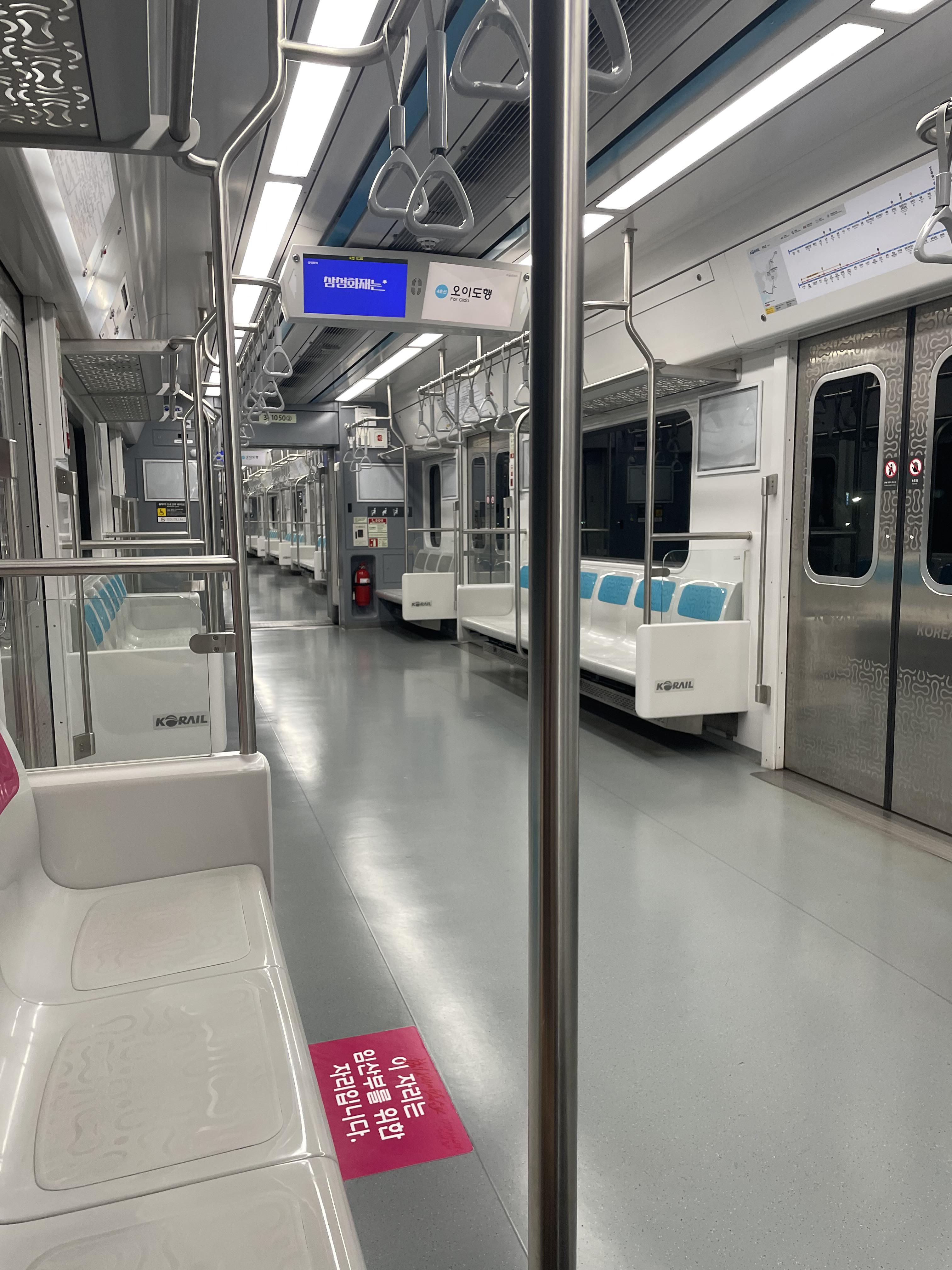
i have no idea how koreans all sleep on the train but somehow all wake up before their stop lol. half the train was dozing off when i fell asleep.
me… not so lucky! how do you guys do this?!?!
i almost had a panic attack when i woke up, thought i was in the twilight zone hahaha. and yes i missed my stop and rode the train to almost the end of line fml

r/korea • u/No-Advantage-579 • 1d ago

I doubt that's a uniquely Korean issue...
r/korea • u/TracerB16 • 1d ago

This song has apparently no.1 on a lot of korean music charts for a good while, thing is it's a literal AI song. I need to know if anyone here has actually even heard of this song, is it really that popular, and do people just not care that it's AI?
r/korea • u/diacewrb • 2d ago

r/korea • u/Ranga_rang26 • 12h ago
안녕\\\~\\\~\\\~ 여러분들!
Any mixed-race Koreans here? I’m mixed race Korean and Desi, was raised in the USA and wanted to connect with other mixed-race Koreans (ideally, non-white mixed-race, us double BIPOCs need representation!!!)
r/korea • u/Ekvis_games • 2d ago

North Korea's new constitution, published on November 13, changes the national flag:
It's the first official change since the flag was introduced in 1948. Analysts see it as part of Kim Jong-un's push to create his own national identity, separate from his grandfather Kim Il-sung's legacy.
Fun fact: the new flag was spotted in use earlier this year, and the first reports came from r/vexillology.
Is the new design better?
r/korea
•
u/WittyPolitico
•
1d ago
You’ve probably experienced this: the street is super clean, you’re walking past trendy cafes, and suddenly bam, a sharp wave of sewage smell hits you out of nowhere from a storm grate, then disappears three seconds later.
So what's causing it?
It's a decades-old problem that goes back to the 1970s and 1980s, and the methods the Korean cities were developed with. The most likely reason is that Seoul's older underground pipe network combines storm runoff drains at the street curbs with household/businesshold wastewater. Because street storm drains at the curb have to stay open for rain, they don't have water-sealed traps, meaning sewer gases from below vent straight up onto the sidewalk.
During Korea's rapid economic boom during the 70s and 80s, before modern wastewater treatment plants were fully built out, buildings were installed with underground septic holding tanks before liquid waste entered city pipes. Hundreds of thousands of these aging septic tanks still sit under older buildings, generating gas that escapes through street vents and manholes.
In dense alleys with restaurants and businesses, grease and wastewater build up in older pipes whenever there hasn't been rain to flush them through, especially during humid summer weather. And to make the smells even worse, every autumn, ginkgo nuts fall on the sidewalks and into the street storm runoff holes, making the smell even worse. Those ginkgo nuts have putrid smells that smell like vomit/sewage.
When I first arrived in Korea, back in the 1990s, the smell problem was far worse than it is now. In a very densely packed city, it's not easy to just rip up everything and replace them with everything new. So how do they improve this situation?
Newer districts (like Pangyo, Songdo, and recent redevelopment zones which were completed during and after the 1990s) are built with completely separate stormwater and sanitary sewer lines, which eliminates the smell 100%. Seoul and surrounding cities spend billions of won every year gradually converting old pipes and shutting down legacy building septic tanks, though ripping up all of central Seoul at once is a massive, slow undertaking.
In the meantime, there are temporary fixes that could help. The local districts install weighted flap valves inside storm grates (they stay closed to trap gas and only swing open when rainwater weighs them down), drop carbon deodorizers into manholes, and run automated odor-spraying units into hotspots with most complaints. Plus, Seoul budgets tens of billions of won every spring to dredge and clean out over 1,600 km of sewer lines and half a million storm drains ahead of the summer monsoon. The other permanent fixes happen when entire older districts are just condemned, levelled, and redeveloped into newly developed districts. Over the last few decades, Korea has been steadily replacing its older pipes, which has immensely improved the problem. But as much as 50% of Seoul's sewage pipes (over 10,000 km in total length) and up to 30% of total sewer pipelines nationwide date back to the 1970s or 1980s.
It will take South Korea another few decades to complete the replacements, probably not in a few decades. This is what I like about Korea. They could have just chosen to leave the problem the way it is, saving on tax money, and let the problem fester and get worse, and life would have gone on for everyone. But due to their efforts, over the next 15 to 25 years, as older neighborhoods and older commercial alleys are redeveloped, the odors will get fewer and fewer in number.
r/korea • u/Wide-Reindeer6881 • 13h ago
Hi everyone!
I'm from Germany and currently planning a larger, long-term tattoo project inspired by Korean culture, folklore, traditional ornaments and ink wash painting (수묵화).
Before getting these tattoos, I'd really appreciate some perspectives from Korean people, especially regarding their cultural meaning and whether there is anything I should be aware of or avoid.
Korea has a very personal significance to me. One of my closest friends was Korean, and he passed away in 2023. I already have a memorial tattoo for him on my inner forearm, depicting the Korean peninsula with a traditional landscape, architecture and his name in Hangul.
My new tattoo project consists of two main ideas:
1. Chest and shoulders – 한 (Han) and 흥 (Heung)
I'm planning to have 한 on my left side, just below the collarbone, and 흥 on my right side.
My tattoo artist suggested connecting the two characters organically across my chest, potentially drawing inspiration from traditional Korean ornaments and ink wash painting.
To me, 한 represents deeply rooted sorrow, grief, loss and painful experiences that remain with us. 흥 represents joy, vitality, enthusiasm and the ability to genuinely enjoy life.
I don't necessarily see them as simple opposites, but rather as two aspects of life that can coexist. I'm also aware that both concepts are much more nuanced than their English translations.
2. Full back tattoo – 저승사자 (Jeoseung Saja)
I'm considering a large back piece depicting a Jeoseung Saja in a style inspired by traditional Korean ink wash paintings.
I recently discovered this artwork, which really resonated with me:

What particularly appeals to me is the mysterious, almost faceless figure wearing a traditional gat, the flowing robes, the surrounding landscape and the quiet, atmospheric nature of the composition.
I don't want the figure to appear as an aggressive monster or an evil demon. What draws me to it is its role as a messenger of the afterlife and a guide for the souls of the deceased.
This also has a personal connection to the loss of my friend.
Both tattoos would be entirely black and grey, with flowing, organic compositions and plenty of negative space. I want to give my tattoo artist considerable artistic freedom while remaining respectful of the Korean cultural inspiration.
I'd particularly appreciate your thoughts on the following:
I'm not looking for validation alone. I'd genuinely appreciate honest opinions, criticism and cultural insights before committing to these pieces.
Thank you for taking the time to read this!
EDIT – Additional context following your feedback:
Thank you all for your honest feedback. This is exactly why I wanted to ask before committing to these tattoos.
To give some more context about my personal connection to Korea: My Korean friend and I had planned to travel to Korea together. Unfortunately, he passed away on July 19, 2023, before we could make that trip.
In March 2024, I traveled to Korea myself and got the tattoo shown below, depicting the Korean peninsula with elements inspired by Korean art and architecture.

I've continued to take an interest in Korean culture, mythology, food and language. I would love to return to Korea and learn to read Hangul.
I certainly don't claim to have a deep understanding of Korean culture, and I'm open to reflecting on whether some aspects of my perception may be romanticized.
Regarding han (한) and heung (흥), I spent quite a bit of time researching these concepts and their relationship in Korean culture and aesthetics.
Losing my friend led to a very difficult period in my life, and finding my way back to experiencing joy has been a gradual and ongoing process.
That's why the coexistence of deep sorrow and the ability to experience joy despite that sorrow resonates with me on a very personal level.
Ideally, I would like a Korean native speaker to recognize what I am trying to express and, after hearing my personal story, understand why I chose these words.
I don't expect Koreans to want these tattoos themselves, nor do I expect everyone to appreciate the design. However, I would like the intended meaning to be understandable rather than linguistically awkward or confusing.
Would you suggest using Hanja instead of Hangul, choosing different wording, or expressing these concepts through imagery instead?
I genuinely appreciate your feedback, including the more critical perspectives. I'd rather reconsider parts of my design now than realize later that I've misunderstood something.
Thank you for helping me see this from a different perspective.
r/korea • u/syjung66 • 13h ago
There are winter days when I walk past a griddle frying hotteok on a street corner. Lifted straight out of the oil, golden brown, one burns your fingertips even through a paper cup. Take a bite and melted sugar spills out, hot enough to scald your tongue. Most people think of hotteok as that steaming street snack you blow on in the cold wind. The hotteok in my memory has a different temperature. Before the crisp, freshly griddled kind, the ones that have cooled to lukewarm come to mind first.

Seed-filled hotteok in a paper cup.
About forty years ago, my mother ran an open stall at Jeongeup Old Market. When the seasons turned, what she laid out on the stall changed with them. In spring, summer, and autumn, she sold fish; when winter came, she sold hotteok. It was not a shop with a door you could shut and sit behind. It was an outdoor market stall exposed straight to the street air, so winter business meant standing there and taking the cold wind with her whole body.
When I came home from school, a high stack of hotteok my mother had carried back from the market was waiting at the house. Not just one or two. Twenty or thirty unsold hotteok came home like that every single day. Piled on top of one another, they pressed down under their own weight and stuck together until the whole stack looked like one thick hotteok. By the time she carried them home from the market, all the steam had already escaped. Peel one off by hand, and only a fading, lukewarm warmth lingered on your fingertips.
Of course I still ate dinner. Still, I could not just ignore a stack that big. It felt far too wasteful to throw them away, and we were poor back then, with no spare money to buy snacks of our own. Once the dinner table was cleared, my hand naturally reached for a lukewarm hotteok. The cooled crust had gone damp and soft, and the sweetness inside sat heavy and settled. For others, it is a steaming winter snack, but in my memory, hotteok stays as that lukewarm taste peeled off and eaten after dinner.
It was only years later, once I entered college, that those hotteok looked different to me. The leftovers I peeled apart after school cooled inside our room, while the hotteok at the market stall were sold out in the freezing wind. Come to think of it, the hotteok my mother sold while braving that winter wind with her whole body became my college tuition. The money she saved by keeping that stall through every season was what carried my college years.
Yet the 1980s, when I was in college, were years I spent absorbed in the student movement rather than in my studies. I thought the reason my mother and father worked so hard and still never saw life ease up was that society was unequal. I believed that if people worked that hard and stayed stuck in the same place, it was because the world itself was tilted. Instead of sitting at a desk to study, I spent those years deep inside that conviction and the movement around it.
Then, after graduating from college, I jumped into selling hotteok myself on sheer bravado. I did not even last a month. It went wrong from the very first step. Trying to save money, I built the hotteok cart myself, only for the counter where I grilled and handed them over to end up at chest height for the customers. Reaching over that towering counter with a hotteok in hand, I could hardly tell whether I was running a stall or handing something over a high wall. Standing there behind it was enough to drive me crazy.
The cart was not the only problem. Making hotteok dough turned out to be far trickier than I expected. Nobody in Jeonju would teach me, so I went all the way to Gimje to learn, and once I actually did it, it was quietly grueling work. You could not just stir it together in the morning and start grilling. You had to mix the dough a day ahead and let it ferment overnight before it could ever hit the griddle the next day. The final blow was the metal spatula used to press the hotteok. You have to keep it resting on the griddle so it stays piping hot. I learned that far too late. Every time I pressed down with a cool spatula, the dough stuck right to it, tearing the hotteok open and bursting the filling out. A chest-high counter, dough that kept me tied up overnight, and hotteok splitting open with every press. I had lined up every single reason to go bust.
Only after that failure—not even a full month long—did my mother's stall from forty years ago look different to me. Back in college, caught up in the student movement, I had never known in my own body how exhausting it was to get the dough right, manage the heat at the griddle, and see a day's business through. Side by side in the same frame sit my mother, selling hotteok in the cold winter wind at Jeongeup Old Market to pay my tuition, and me, attending college on that tuition while wrestling with the inequality of the world. Neither side can be separated from the other, and it is not something to tie up in a neat phrase. Back then, my mother and I were passing through the same winter from different places.
So even now, when I see hotteok, the first person I see is my mother selling them at the market. Her standing in the cold wind at that stall, the cooled hotteok stuck together back at home, and my clumsy month of bursting dough behind a chest-high cart all come rushing back together. My mother is no longer in this world. That winter at Jeongeup Old Market has also receded some forty years behind me. Still, when winter returns and the smell of frying hotteok drifts along the street, my steps pause from time to time. For me, hotteok is still a warm winter snack. At the same time, it is also a chilly winter memory, holding both the cold wind and that cooled warmth.
r/korea • u/AffectionateReason40 • 1d ago

Now that I'm in my mid-seventies, it's getting harder and harder to catch up with old friends.
Today, after a long time, three of old friends finally managed to find a time to get together for lunch and tea. We spent 3 ~ 4 hours together, and the conversation kept drifting toward the topic of "death." Even when I tried to steer it in a different direction, it somehow always circled back to sickness and death. On the way home after parting ways, I was filled with mixed emotions.
r/korea • u/grognard66 • 1d ago
I could have sworn there was a song, perhaps from the 1980's, that had that phrase as a refrain. However, I cannot for the life of me seem to find the song.
Am I just imagining it?
r/korea • u/eisenkot2026 • 1d ago

r/korea • u/CrazyOriginal9007 • 1d ago
Something I've noticed while watching kdramas and reading manhwas is that students often seem really casual and friendly with their teachers. They joke around with them, engage in playful banter, and sometimes even casually touch them (like tapping their shoulders or arms) without it seeming inappropriate or disrespectful. I remember one drama where the students were literally whining while talking to their teachers. Teachers in my country would straight-up call you insolent for talking like that. They'd be like, "Am I your friend or what?"
In my country, students are expected to be much more formal with their teachers and maintain a certain distance. We're expected to greet our teachers whenever we see them, maintain proper posture while talking to them, and be mindful of how we behave around them. We also have to strictly follow the dress code. Man my missionary college was even stricter than my high school. Some of the interactions I see in kdramas and manhwas would be considered disrespectful here.
So I'm curious, is this actually how things are in korean schools, or is it just something that's exaggerated in dramas?
I have seen these dynamics in anime also so I am not sure if this is the right sub to post this in...
